

 English - EN
  繁體 - ZH-TW
  简体 - ZH-CN
  Español - ES
  日本語 - JA
  العربية - AR
  Русский - RU
  Français - FR
New Leadership, New Urgency: Julio Cordano Takes the Helm of Global Plastics Treaty Negotiations
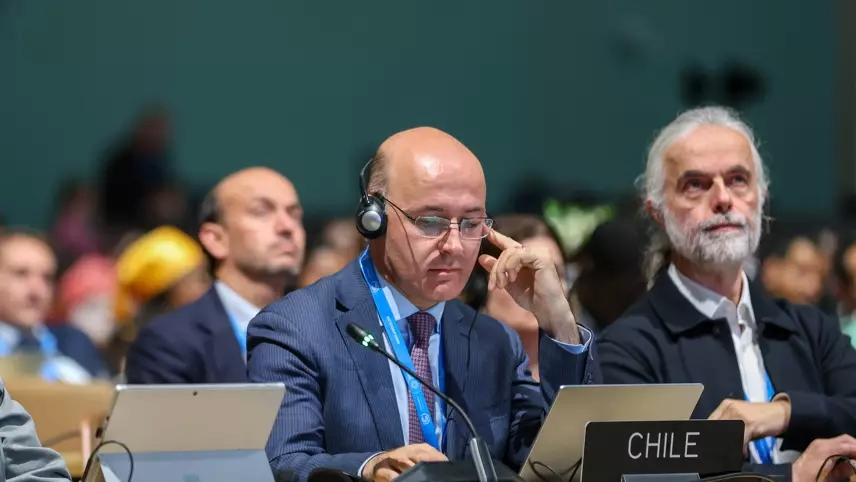
GENEVA – In a move that signals a renewed push for global environmental regulation, Chilean diplomat Julio Cordano was elected as the new Chair of the Intergovernmental Negotiating Committee (INC) on February 7, 2026. Replacing the previous leadership after a period of stalled negotiations, Cordano’s appointment is seen as a "reset button" for the world’s most ambitious effort to end plastic pollution.
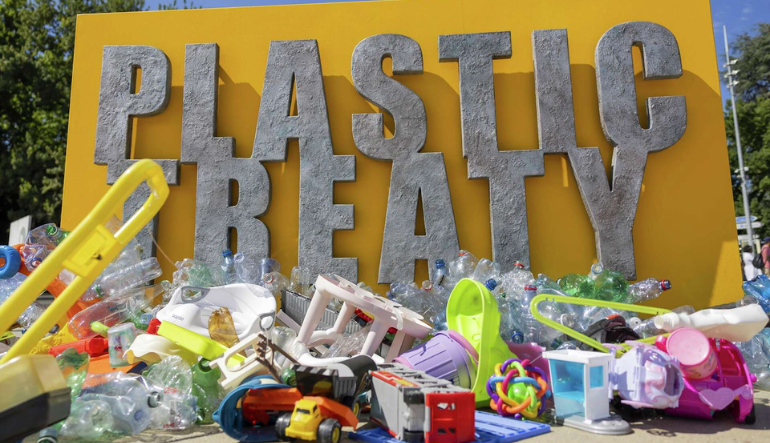
The negotiations for a legally binding Global Plastics Treaty have faced significant hurdles, with nations divided over whether to focus on "production caps" or "waste management and circularity."
Check out what happened during the last negotiations here.
The Eye of the Storm: Production Caps & "Plastic Taxes"
The path to a final treaty remains heated, with two central friction points dominating the draft: the reduction of primary plastic polymer production and the establishment of a global financial mechanism.
The proposed "financing mechanism" is widely interpreted as a production fee or tax on virgin plastics. This "Plastic Tax" aims to close the price gap between cheap virgin resins and more expensive recycled materials, using the revenue to subsidize waste management systems and circular infrastructure worldwide. For manufacturers, this means the cost of using virgin materials is likely to skyrocket, making the transition to recycled content a financial necessity rather than just a CSR goal.
Breaking the Deadlock: Why This Matters
Cordano, known for his diplomatic finesse, now carries the responsibility of bridging the gap between "high-ambition" nations pushing for strict production caps and oil-producing states focused solely on waste management.
For the plastics industry, the message is clear: Business as usual is ending; cheap, unregulated virgin plastic will gradually phased out. The treaty is expected to set global standards for:
- Mandatory Recycled Content: Driving demand for advanced recycling machinery.
- Design for Recycling (DfR): Phasing out non-recyclable multi-layer materials.
- Extended Producer Responsibility: Making manufacturers accountable for the entire lifecycle of their products.
- Financial Compliance: Preparing for potential taxes on primary polymer usage.
Take Advantage in a Regulated Future
While the treaty presents challenges, the prospect of production fees may seem daunting, it also creates a massive opening for well-prepared machinery manufacturers. As a global hub for high-end extrusion, injection molding, and recycling technology, many manufacturers on the PRM platform are uniquely positioned to provide the "hardware" for this green revolution.
"The election of Julio Cordano isn't just a political headline; it’s a market signal," says the PRM-Media chief editor Evelyn Chen. "If virgin plastics become more expensive due to global fees, buyers will no longer just be looking for speed; they are looking for compliance. Whether it’s energy-saving motors or machines capable of processing 100% PCR (Post-Consumer Recycled) materials, manufacturers should be ready for these new demands."

PRM Insight: Efficiency as a Sustainability Strategy
As the treaty moves toward finalization, PRM-Taiwan remains the bridge between these global shifts and your factory floor. We believe that Smart Manufacturing is the twin sister of Sustainability. By adopting AI-driven overall equipment effectiveness monitoring and precise material dosing systems—specialties of many Taiwanese brands—processors can meet treaty requirements while maintaining profitability.
As Cordano leads the world toward a "Full Lifecycle" approach to plastics, PRM will continue to highlight the plastics and rubber industry innovators who turn these regulatory hurdles into competitive advantages.
Source:
- UNEP: New Chair elected to lead negotiations on global plastic pollution treaty
- Recycling Today: New chair elected at INC-5.3
- Edie: ‘An important step’: New chair elected to lead global plastic treaty talks
We have over 200 of the biggest and many of the smallest Taiwanese machinery manufacturers on our site and contacts with many more. Whether you are looking for full lines such as, recycling machines extruders, blow molding machines, injection molding machines and printing machines, or auxiliary equipment and parts such as gearboxes, barrels, screws, molds, dies, control systems and virtually anything related to the plastic and rubber industries including packaging. If it’s made in Taiwan, we will find it for you!