

 English - EN
  繁體 - ZH-TW
  简体 - ZH-CN
  Español - ES
  日本語 - JA
  العربية - AR
  Русский - RU
  Français - FR
Global Plastic Treaty Stalls: Why Technology is the New Driver for the Plastics Economy
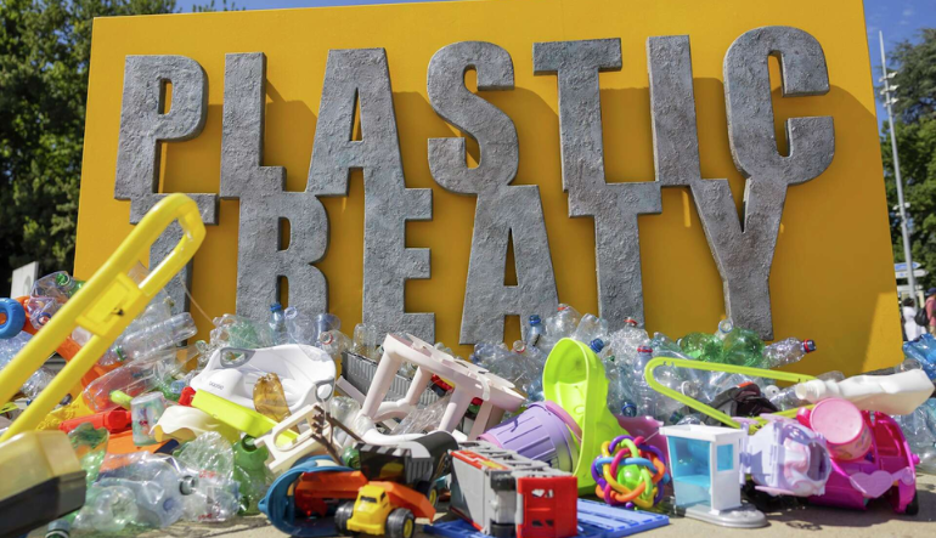
Plastic items are seen on Place des Nations in front of the European headquarters of the United Nations in Geneva, Switzerland, Monday, Aug. 4, 2025 before the second segment of the fifth session of the Intergovernmental Negotiating Committee on Plastic Pollution (INC-5.2). (Salvatore Di Nolfi/Keystone via AP)
Geneva, August 15, 2025 — The sixth round of global negotiations for the world’s first treaty on plastic pollution ended in deadlock, as delegates left Geneva without agreement on how to confront the escalating environmental crisis.
Production Caps at the Heart of the Stalemate
The key sticking point was whether the treaty should impose binding limits on plastic production. While all sides acknowledge that plastic pollution is an urgent global problem requiring collective action, countries remain split on how to address it: whether the treaty should tackle the pollution from the source by reducing production or focus on recycling and improving our institution of pollution management.
More than 100 countries — including EU members and many developing nations — pushed for a “legally binding cap on plastic production”, arguing that reducing plastics at the source is the only way to meaningfully cut pollution.
While large oil-producing countries suggested that investing more in the recycling industry and reconstructing waste management institutions are keys to the plastic pollution crisis.
"Plastics are fundamental for modern life - they go in everything," said Ross Eisenberg, president of America's Plastic Makers. He argued that alternatives are often more expensive and less efficient, and warned that mandatory production cuts in a growing industry could trigger “unintended consequences” for the fragile global economy.
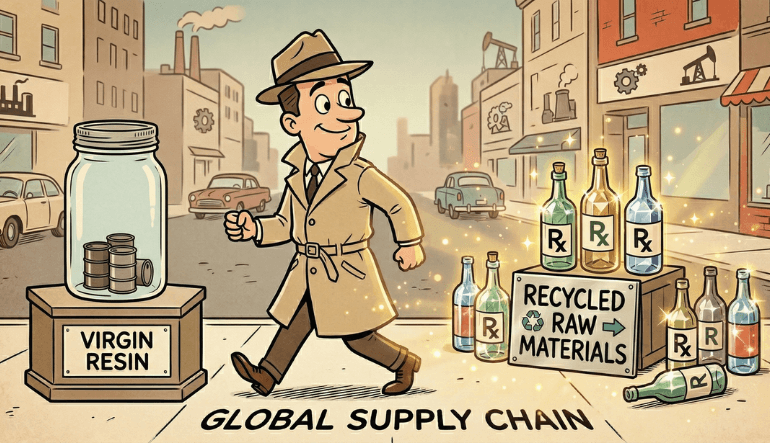
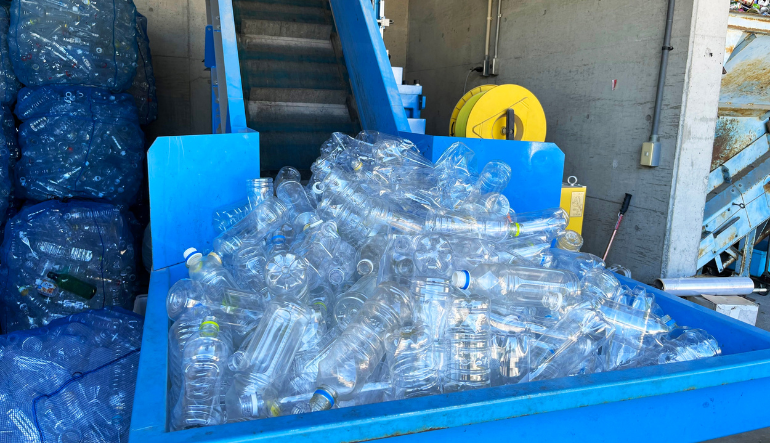
It’s worth noticing that 90% of global plastic waste is not recycled; thus, some countries emphasized the need to expand recycling infrastructure and redesign products to be more recyclable. They argue that this approach of boosting recycling rates could significantly reduce environmental harm.
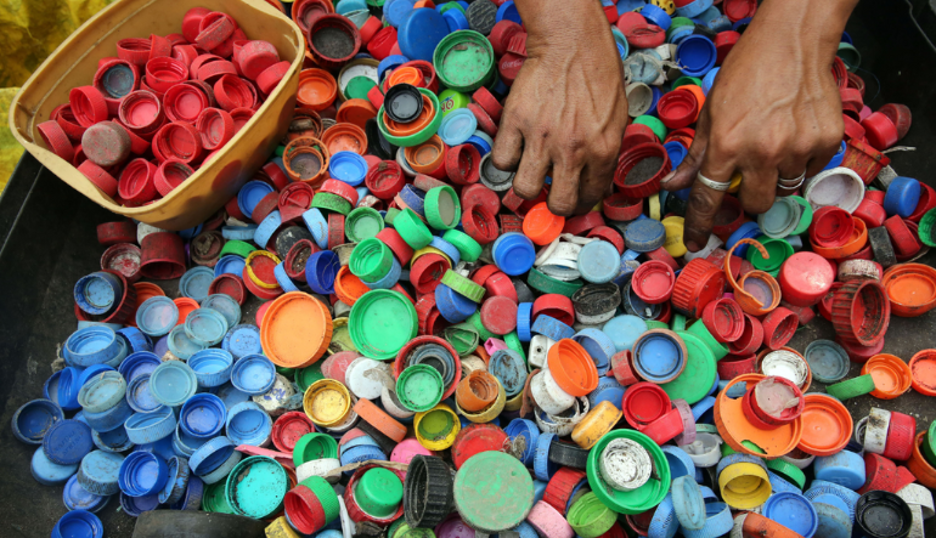
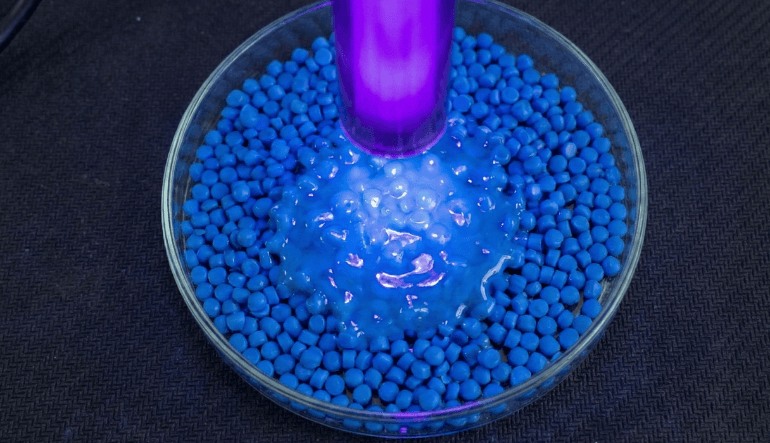
This can be done as easily as standardizing product designs, such as moving to mono-material PET bottles with compatible caps, is no longer just an environmental ideal—it's a direct path to higher profitability for recyclers.
This shift slashes sorting costs, dramatically boosts the purity and market value of recycled pellets, and streamlines the entire workflow, leading to a significant increase in Overall Equipment Effectiveness (OEE). For plastic manufacturers, adopting 'Design for Recycling' principles is becoming a crucial competitive advantage in a market that increasingly demands sustainability.
Taiwan's Pragmatic Path: Engineering the Solution
Peng Chi-ming, Taiwanese Minister of Environment, described reducing plastic production as "An unavoidable path.” However, he also stated that both industry and society need more time to change and transit.
In addition, the Taiwan Plastics Raw Materials Industry Association believes that the Taiwanese plastic industry is already under tremendous pressure from many challenges, and any form of production control or suspension will worsen the industry.

塑膠公約台灣訪團代表15日與環境部連線,說明塑膠公約階段性進度,以及國內政策推動措施。攝影:陳昭宏
What’s Next?
The failure in Geneva highlights the challenge of striking a balance between environmental urgency and economic reliance on plastics. Despite the promise for the next round of talks, the negotiators left without a roadmap for compromise, and no date has been set for the next round of talks.
Environmental groups warn that time is running out: without a global framework to stop plastic pollution and redesign the plastics economy, plastic waste is projected to triple by 2060, with devastating consequences for ecosystems and human health.
However, most countries did agree on establishing a sustainable plastic management and recycling framework. We believe that Taiwan should leverage its strengths in waste management technology to assist other countries in strengthening their plastic recycling and treatment infrastructure.
If you would like to know more about plastic recycling lines, check out PRM-Taiwan’s latest recycling machines article.
Source:
1. https://www.bbc.com/news/articles/cvgpddpldleo
2. https://e-info.org.tw/node/241936
3. https://edition.cnn.com/2025/08/15/climate/global-plastics-treaty-pollution-failure-un
4. https://www.weforum.org/stories/2025/08/global-plastics-treaty-inc-5-2-explainer/
We have over 200 of the biggest and many of the smallest Taiwanese machinery manufacturers on our site and contacts with many more. Whether you are looking for full lines such as, recycling machines extruders, blow molding machines, injection molding machines and printing machines, or auxiliary equipment and parts such as gearboxes, barrels, screws, molds, dies, control systems and virtually anything related to the plastic and rubber industries including packaging. If it’s made in Taiwan, we will find it for you!