

 English - EN
  繁體 - ZH-TW
  简体 - ZH-CN
  Español - ES
  日本語 - JA
  العربية - AR
  Русский - RU
  Français - FR
The 2026 U.S.-Taiwan Trade Deal: Why 15% is the Magic Number for Machinery Buyers
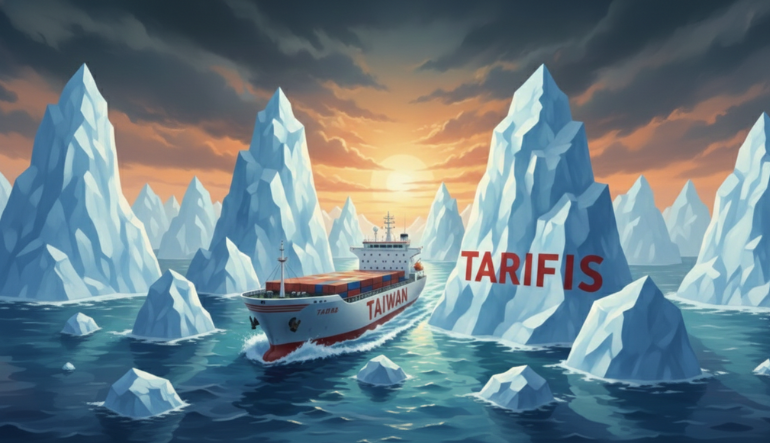
In the wake of the historic trade agreement signed on January 15, 2026, the "clouds of uncertainty" over Taiwanese exports have finally begun to clear. For U.S. buyers of plastics and rubber machinery, this MOU (Memorandum of Understanding) isn't just a political milestone—it is a vital tool for supply chain stability. Taiwan is now one step ahead of other countries in clearing the clouds of an unstable trade war.
Here is the breakdown of how the 2026 deal changes the game for your operations.
1. The 15% "Ceiling": Ending the Era of Stacking Tariffs
Throughout 2025, Taiwanese machinery faced the looming threat of reciprocal tariffs as high as 20% or 30%. The new agreement provides a definitive "stop-loss" for U.S. importers.
- The Rule: Reciprocal tariffs on Taiwanese goods are now capped at 15%.
- No "Stacking": Crucially, the MOU ensures these rates are non-stacking. This means they won't be layered on top of existing MFN (Most-Favored-Nation) duties, placing Taiwan on equal footing with major competitors like Japan, South Korea, and the EU.
- The Buyer's Relief: This brings immediate price predictability. A U.S. factory manager can now budget for a Taiwanese injection molding machine knowing the tariff "surprise" has been neutralized at 15%.
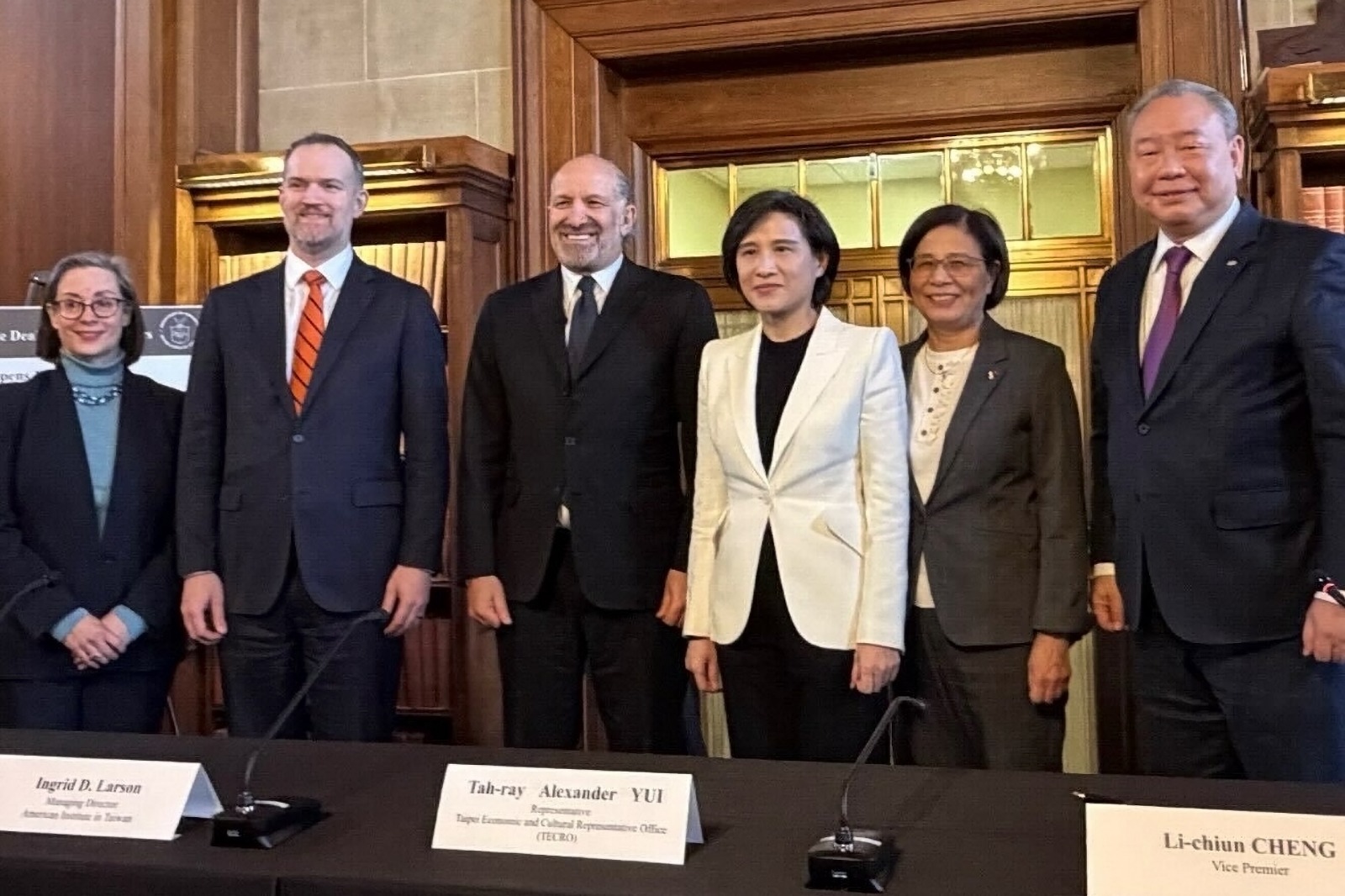
After nearly ten months of negotiations, and with the release of Section 232, Taiwan finally secured a reciprocal tariff rate of 15%, the same as Japan and South Korea. (Image source: Executive Yuan)
2. The Direct Hit on Molds and Dies
Molds are the "heart" of the plastic and rubber industry, but they are also the most vulnerable to Section 232 due to their 100% high-grade steel or aluminum composition.
Under the 2026 MOU, Taiwanese molds fall under the 15% cap, providing a critical buffer. Without this specific arrangement, Taiwanese mold makers would face immediate 25% price hikes, potentially forcing U.S. clients to switch to domestic makers or exempt "Near-shore" countries like Mexico and Canada.
3. The "China Steel" Red Line: A Warning to Manufacturers
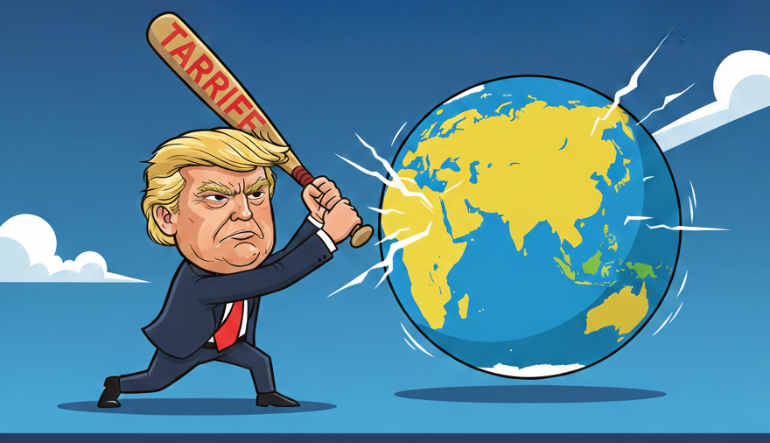
While the 15% cap is a victory, it comes with strict "Country of Origin" strings attached. The Trump administration’s Section 232 enforcement remains aggressive toward Chinese materials.
Critical Note for 2026: If a Taiwanese machine is found to contain significant China-origin steel or aluminum, it risks losing its 15% "allied" status. The Trump administration may view this as a "derivative" product and apply the full 25-50% Section 232 penalties.
PRM Insight: To avoid the risk of being accused of origin laundering for Chinese steel, Taiwanese manufacturers must now be more transparent than ever about their upstream supply chains. Cautious buyers should verify "clean steel" to ensure their 15% tariff rate remains valid.
4. Indirect Impact: The Automotive Supply Chain Shuffle
The rubber industry—specifically tires, seals, and gaskets—is feeling the "Section 232 ripple" through the automotive sector.
- Production Slowdown: Section 232 tariffs have increased the cost of U.S. car bodies and chassis. As U.S. automakers adjust production volume due to these material costs, the demand for OEM rubber parts from Taiwan may fluctuate.
- The Supply Chain Shift: To avoid domestic U.S. tariffs, some global car makers are shifting assembly to Mexico or Southeast Asia. For Taiwanese rubber part suppliers, the strategy for 2026 should involve strengthening logistics hubs in these regions to stay close to the assembly lines.
5. Summary: The New Landscape for Taiwan vs. The World
|
|
|
|
|
|
|
|
|
|
|
|
|
|
|
|
|
|
|
|
The Bottom Line: A Chapter Yet Unfinished
Taiwan has successfully "voyaged out" of the high-risk zone. By securing this 15% cap in early 2026, the plastics and rubber industry has gained the stability needed to remain the top choice for U.S. buyers seeking precision without the "tariff trauma."
However, the legal landscape is still shifting. The U.S. Supreme Court is currently deliberating on the legitimacy of the President's power to exercise tariffs for political means under the International Emergency Economic Powers Act (IEEPA). If the Court limits these powers, the entire tariff structure could be redesigned yet again. We urge our readers to stay tuned, as the trade war has yet to enter a truly stable chapter.
Source:
CommonWealth Magazine: https://www.cw.com.tw/article/5139417
Bloomberg: https://news.bloomberglaw.com/legal-exchange-insights-and-commentary/trumps-well-stocked-tariff-toolkit-demands-importers-attention
We have over 200 of the biggest and many of the smallest Taiwanese machinery manufacturers on our site and contacts with many more. Whether you are looking for full lines such as, recycling machines extruders, blow molding machines, injection molding machines and printing machines, or auxiliary equipment and parts such as gearboxes, barrels, screws, molds, dies, control systems and virtually anything related to the plastic and rubber industries including packaging. If it’s made in Taiwan, we will find it for you!