

 English - EN
  繁體 - ZH-TW
  简体 - ZH-CN
  Español - ES
  日本語 - JA
  العربية - AR
  Русский - RU
  Français - FR
2026 Outlook: Real Hope or Just Politics? The "Winter Package" & The End of Greenwashing
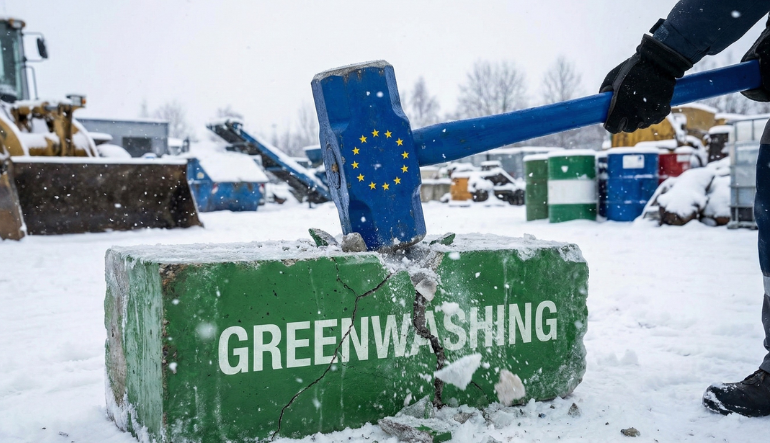
If you own a recycling plant, 2025 has likely been a brutal year. Across Europe and North America, the industry witnessed a wave of plant closures, bankruptcies, and stalled projects. The culprit wasn't a lack of desire for green products—it was a broken market flooded with cheap, "fake" green materials and undercut by plummeting virgin plastic prices.
But as we stand on the edge of 2026, two massive developments in December 2025 suggest the tide is finally turning. The "Wild West" era of greenwashing is coming to an end, and for those who survive, the market is about to get much clearer.
The News: How Greenwashing Broke the Industry
For years, honest recyclers who invested in high-quality washing and pelletizing lines were punished. Competitors could import low-grade, vaguely labeled "reprocessed" waste, call it "recycled," and sell it at rock-bottom prices. This rampant "greenwashing" collapsed the price of genuine, high-quality PCR (Post-Consumer Recycled) material, making it impossible for legitimate businesses to compete.
On December 23, 2025, the European Commission finally stepped in to stop the bleeding. The newly released "Winter Package" (IP/25/3151) introduces a weapon the industry has desperately needed: transparency.
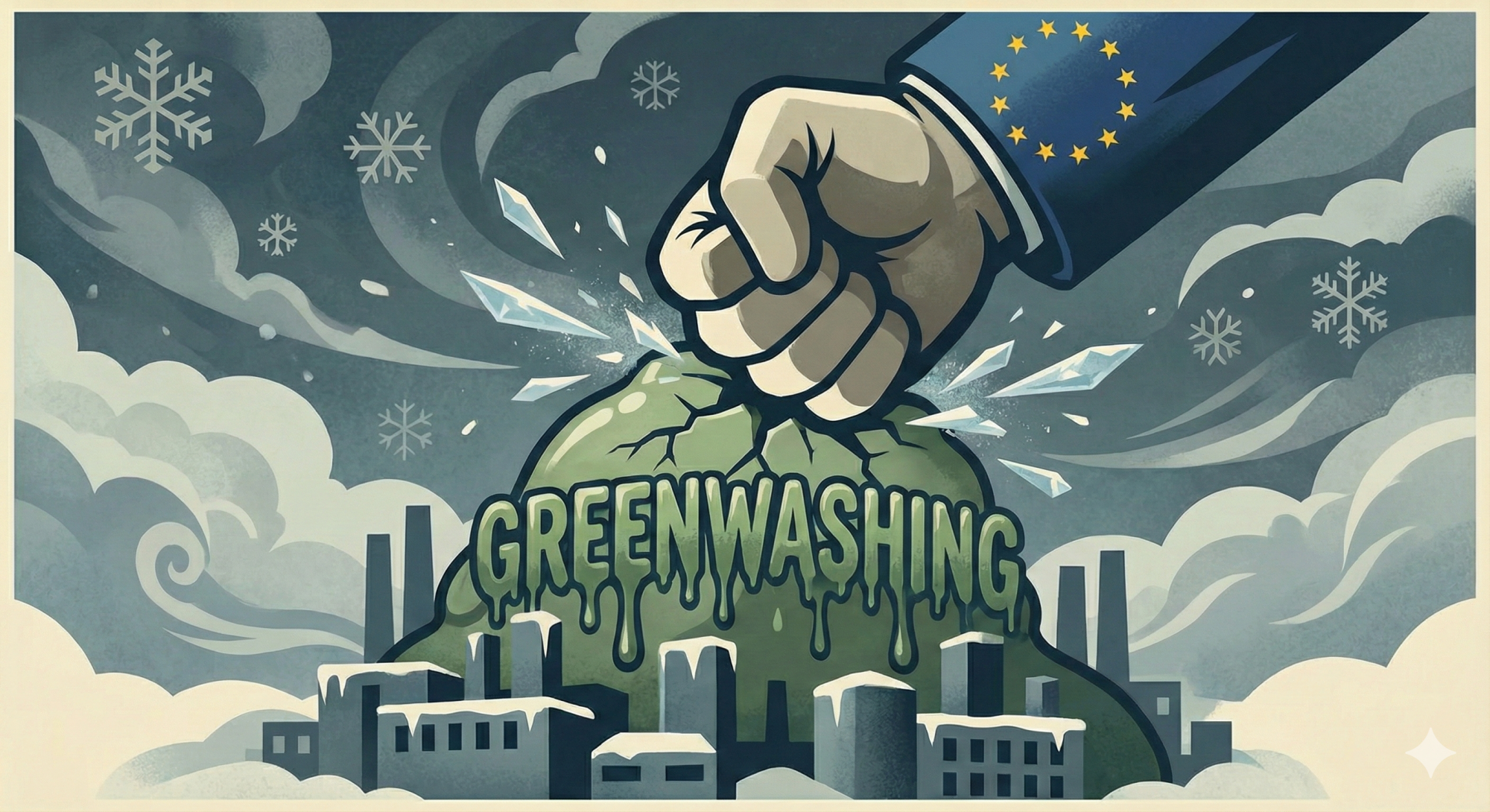
The most critical component of this package is the introduction of separate Customs Codes for Recycled vs. Virgin plastics. Previously, vague codes allowed companies to hide the origin of their plastic. Virgin plastic was often mixed with minimal scrap and sold as "recycled" to claim tax credits. Under the new rules, however, every shipment entering the EU must prove its status. To be classified as "Recycled Raw Material" rather than "Waste," material must now meet strict "End-of-Waste" criteria.
The signal is unmistakable: The EU is trying to save the recycling industry by building a regulatory wall against low-tech, "fake" recycling. This should finally allow legitimate, high-quality recyclers to charge a fair price for their premium output.
The Demand: Unilever’s Reality Check
While the EU attempts to fix the supply side, the demand side just received a massive wake-up call. On December 3, 2025, Greenpeace released the scathing report "Merchants of Myth", accusing big brands of lying about recycling viability.
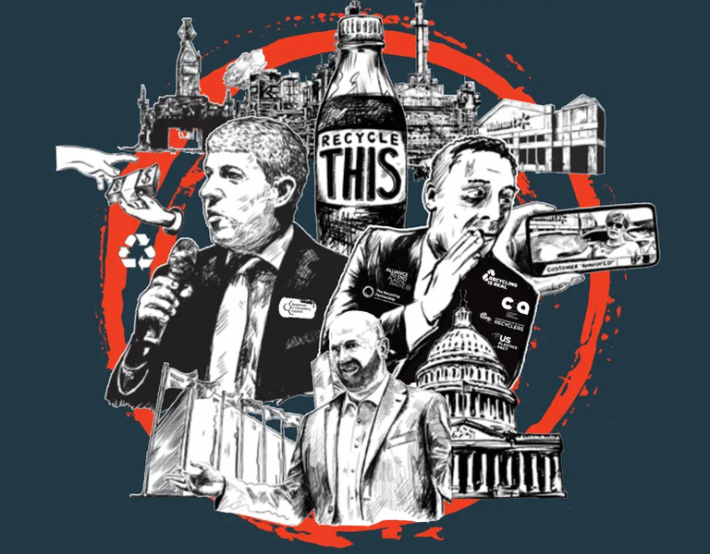
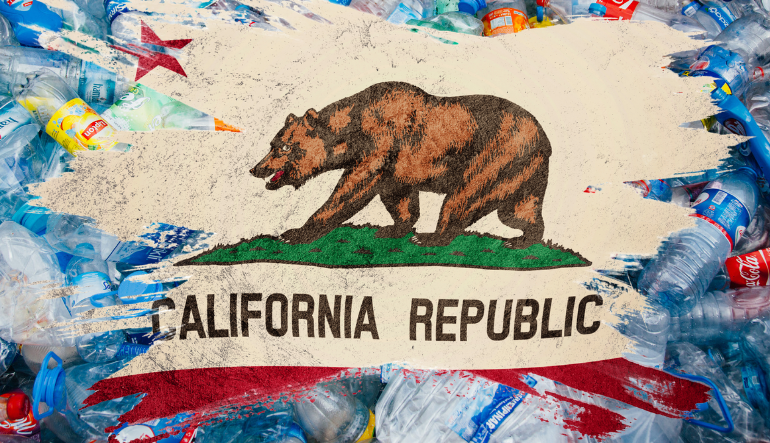
"A new report from Greenpeace USA" claims plastic recycling has largely failed after decades of being touted by corporations as a solution to the pollution crisis. December 3, 2025 by Greenpeace.
Unilever's response on December 18 was a crucial moment for the industry. Instead of fighting back with PR spin, they admitted a hard truth: They have the budget to buy recycled plastic, but they cannot find enough high-quality supply.
This admission confirms what savvy industry insiders already knew: The market doesn't need more recycling capacity; it needs better recycling capacity. The demand for odor-free, food-grade PCR is real, and currently, it is unmet.
The "PRM Editor" Verdict: What Should You Do?
So, is 2026 the year you double your investment? Not so fast.
While these news stories are positive signs that 2026 will be better than the destructive 2025, we advise caution. In the B2B world, political announcements do not always translate instantly to factory floor profits. Many plant owners are rightfully skeptical—will the EU customs agents actually enforce these new codes strictly? Will brands really pay a premium for high-quality PCR, or will they find another loophole?
It is too early to bet your entire business on these announcements. This is a "Heads Up," not a "Go" signal.
For machinery buyers, the strategy for Q1 2026 should be Active Monitoring. Do not rush to buy massive capacity just to increase volume. Instead, start auditing your current lines with a critical eye. Owners should ask themselves hard questions about whether their current filtration and degassing systems are capable of producing material that meets these new "End-of-Waste" criteria. If the new laws were enforced tomorrow, would your pellets pass as "Raw Material," or would they be rejected as "Waste"?
If the answer is "No," you don't need to spend today, but you should start surveying solutions. This is where Taiwan’s machinery excels. Unlike ultra-expensive European systems or unreliable low-cost options, Taiwanese manufacturers offer the precision control—specifically in smart filtration and 3-in-1 integration—needed to meet these new strict standards without breaking your capital reserve.
2025 was the year greenwashing nearly killed the recycling industry. 2026 looks like the year transparency might save it. Keep your checkbook in your pocket for now, but keep your eyes on the regulations. When the enforcement starts, only the plants with the best technology will survive—be ready to be one of them.
Read More On Recycling
Source:
- Greenpeace: https://www.greenpeace.org/usa/merchants-of-myth/
- Unilever: https://www.unilever.co.uk/news/2025/the-challenges-of-using-recycled-plastic-and-how-were-responding/
- Reuters: https://www.reuters.com/sustainability/boards-policy-regulation/eu-plans-stricter-controls-plastic-imports-help-struggling-recyclers-2025-12-23/
We have over 200 of the biggest and many of the smallest Taiwanese machinery manufacturers on our site and contacts with many more. Whether you are looking for full lines such as, recycling machines extruders, blow molding machines, injection molding machines and printing machines, or auxiliary equipment and parts such as gearboxes, barrels, screws, molds, dies, control systems and virtually anything related to the plastic and rubber industries including packaging. If it’s made in Taiwan, we will find it for you!