

 English - EN
  繁體 - ZH-TW
  简体 - ZH-CN
  Español - ES
  日本語 - JA
  العربية - AR
  Русский - RU
  Français - FR
Industry 5.0: Why the Plastics & Rubber Industry Needs a "Human Touch" Beyond Automation
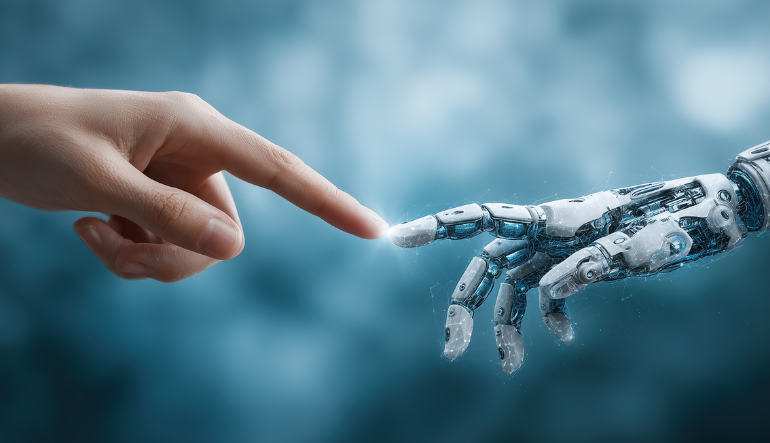
In the fast-evolving world of manufacturing, we’ve barely settled into the "Smart Factory" era of Industry 4.0 before a new buzzword began echoing through the halls of the European Commission and major trade shows like CHINAPLAS: Industry 5.0.
But don’t let the number intimidate you. Industry 5.0 isn't a replacement for the digitalization and automation we’ve been building; it’s the "Human Touch" added to the machine. While Industry 4.0 was about making machines talk to each other, Industry 5.0 is about making those machines work better for us and for the planet.
What Exactly is Industry 5.0?
The European Commission defines Industry 5.0 as a paradigm shift that moves beyond efficiency and productivity as the sole goals. It rests on three core pillars:
- Human-Centricity: Placing the well-being, safety, and creativity of the worker at the center of the production process.
- Sustainability: Respecting the boundaries of our planet by focusing on circular economy models and energy efficiency.
- Resilience: Building industrial systems that are agile and robust enough to withstand global disruptions (like pandemics or supply chain crises).
PRM Insight: If Industry 4.0 was the "How" we seek new industrialization, Industry 5.0 is the "Why" we seek new industrialization.
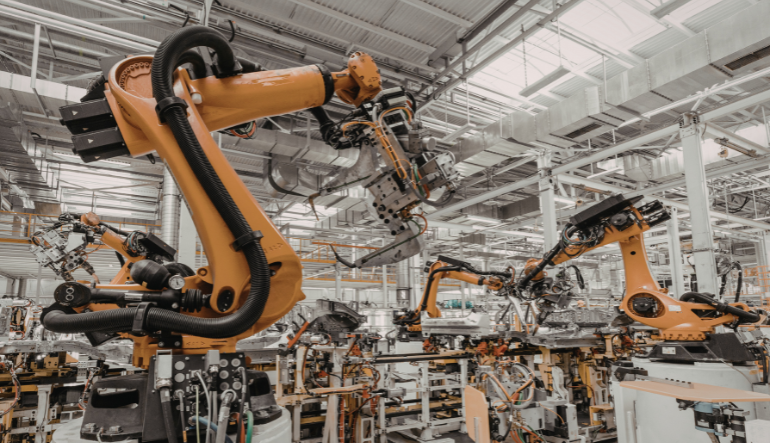
Industry 5.0 in Action: Transforming Plastics & Rubber
How does this translate to a busy injection molding factory or an extrusion line? It moves the focus from "fast production" to "purposeful production."
1. From "Replacing" to "Augmenting" Humans
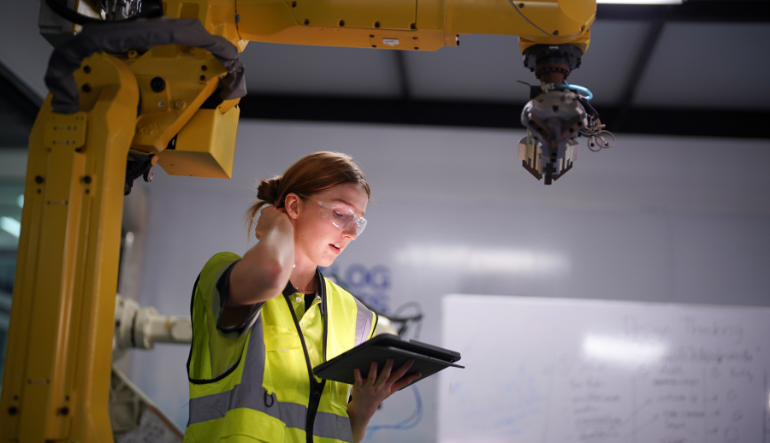
In the past, automation often meant replacing manual labor. In Industry 5.0, we see the rise of Cobots (Collaborative Robots). In plastics, this might mean a human operator and a cobot working side-by-side to handle complex custom assembly or delicate secondary processing that a standard robot can't navigate alone. AI is no longer a "black box" but an AI-Assisted Interface that helps operators make better decisions on parameter adjustments to reduce scrap.
2. The Green Intelligence
Sustainability isn't just a checkbox; it’s the heart. Industry 5.0 applications in the plastics industry focus on:
- Energy Management Systems: Machines that "know" when to power down or optimize heating cycles to save electricity.
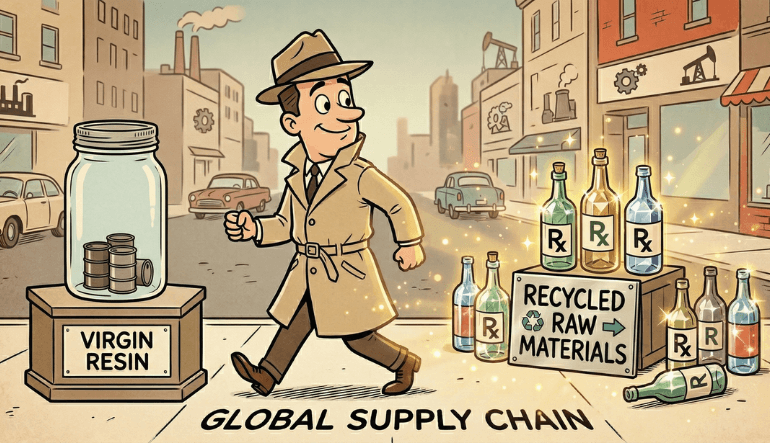
- Recycling Optimization: Using AI and advanced sensors to sort complex post-consumer plastic waste with high precision, turning "trash" into high-quality raw materials for circular manufacturing.
3. Resilience Through Digital Twins
A resilient factory doesn't break when the world changes. By using Digital Twins, suppliers can simulate production shifts or material changes like switching to bio-plastics, in a virtual environment before touching the physical machine. This reduces risk and allows for the "mass personalization" that modern buyers demand.
Is It Here Yet? The Reality Check
Is Industry 5.0 the standard for 2026 or 2027? Not yet.
Most of the global industry is still mid-transition into Industry 4.0. However, Industry 5.0 serves as a critical North Star. Leading Taiwanese machinery brands—names like Engel, Arburg, and Wittmann—are already embedding these principles into their latest releases. When a buyer looks for a new machine today, they aren't just asking "How many cycles per minute?" They are asking:
- "How easy is this for my staff to learn?"
- "What is the carbon footprint per part?"
- "Can it handle variable recycled material inputs?"
PRM Insight: The Bottom Line for Buyers
Industry 5.0 is a signal that the future of the plastics industry is collaborative, green, and adaptable. For global buyers, partnering with suppliers who understand these goals means investing in equipment that won't just be "smart" for a year, but "wise" for a decade.
Source:
- European Commission: Industry 5.0
- Chinaplas / Adsale: 10 Key Trends Shaping the Plastics & Rubber Industry in 2026
We have over 200 of the biggest and many of the smallest Taiwanese machinery manufacturers on our site and contacts with many more. Whether you are looking for full lines such as, recycling machines extruders, blow molding machines, injection molding machines and printing machines, or auxiliary equipment and parts such as gearboxes, barrels, screws, molds, dies, control systems and virtually anything related to the plastic and rubber industries including packaging. If it’s made in Taiwan, we will find it for you!