


 English - EN
  繁體 - ZH-TW
  简体 - ZH-CN
  Español - ES
  日本語 - JA
  العربية - AR
  Русский - RU
  Français - FR
LATEST UPDATE Subscribe Now
 | PRM-Taiwan_1791955837.png)
Natural Rubber Prices Hit a 10-Year High: What Tire and Rubber Product Makers Can Do Now
Natural rubber reached 265 U.S. cents per kilogram on October 12, up 6.5% in one month and its highest price in a decade, according to Trading Economics. The rally had been building for weeks. Futures traded around 240 US cents per kilogram on September 1, near 2013 highs, and Malaysia’s SMR 20 grade reached its highest level since February 15, 2017.
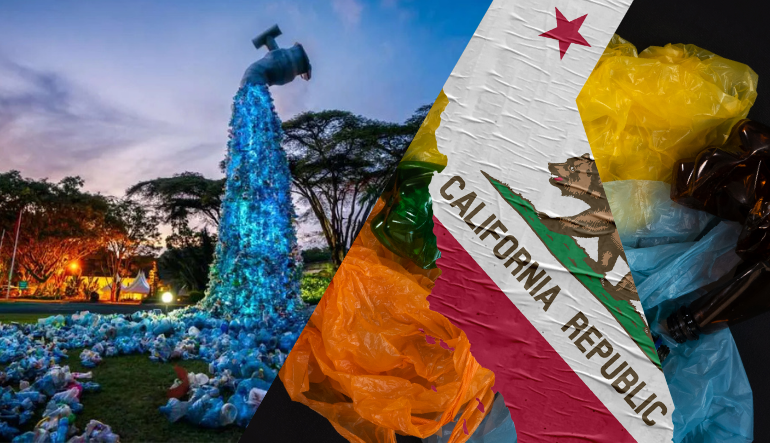
The Plastic Policy Paradox: Navigating the Clash Between Global Regulations & Industry Realities
Are global plastic policies moving forward, backward, or sideways? If you’ve been following the recent headlines in 2026, you might feel like you’re watching a high-stakes tug-of-war. On one side, regulators are pushing unprecedentedly aggressive mandates to curb plastic pollution. On the other side, the plastics industry is fighting for realistic, data-driven solutions rather than outright bans that could disrupt global supply chains.
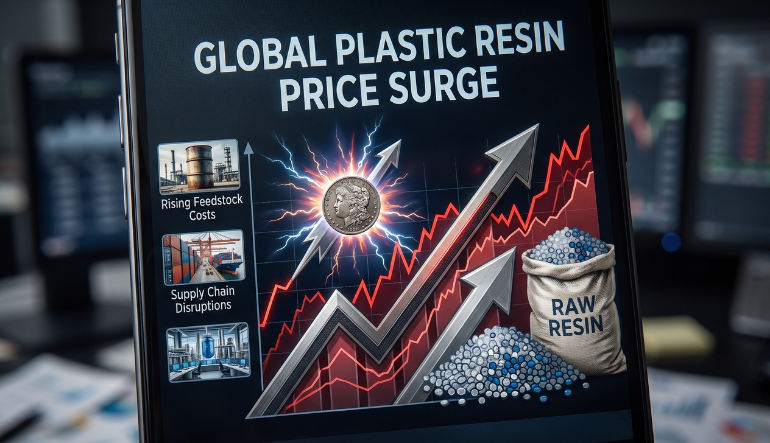
The Upcoming Storm in Plastics: Skyrocketing Resin Prices & Looming Microplastic Lawsuits
August 2026 has been a wake-up call for the global plastics manufacturing industry. If you are a factory manager, procurement director, or enterprise owner, you are likely feeling the squeeze of a dual crisis: a sudden, aggressive spike in virgin resin prices and a chilling new warning regarding microplastic litigation risks.

US Tariff Uncertainty Sparks "Wait-and-See" Approach in Plastics CapEx: A Turning Point for Sourcing?
The North American plastics processing industry is facing a turbulent third quarter. Following the Supreme Court's February 2026 ruling against IEEPA-based tariffs, the activation of Section 338 tariff authority against Canada, and an unresolved USMCA review, a thick fog of uncertainty has settled over the manufacturing sector.

The Future of Sustainable Packaging? Meet the "Living Plastic" That Self-Destructs in 6 Days
For decades, the global plastics industry has faced a fundamental paradox: the very polymers we rely on for their durability and low cost often outlive their short-term applications by centuries. But what if we could program an expiration date directly into the material's life cycle? According to a study published in American Chemical Society (ACS), a new generation of "living plastic" might make this a reality.
Market Impact Analysis: China's Economy Cools to a Multi-Year Low, Adding Pressure as EU's Plastics Probe Lingers
Fresh data confirms China's economy is losing momentum faster than officials had hoped, a slowdown now compounded by a still-unresolved EU anti-dumping investigation into Chinese biodegradable plastics that Brussels opened last month.

From Plastic Waste to World Cup Glory: Recycling Innovation is Changing the Game
The 2026 World Cup has already delivered unforgettable drama. Whether you are still reeling from Erling Haaland and Norway spectacularly crushing Brazil’s championship dreams, or shedding a tear over the epic "last dance" between football legends Cristiano Ronaldo and Luka Modrić, the action on the pitch has been nothing short of historic. But for those of us in the plastics and rubber industry, the real MVP (Most Valuable Player) isn't just the athlete scoring the winning goal—it's the innovative plastic recycling technology woven right into their jerseys.

Beyond the Subsidies: What Bangladeshi Plastics Manufacturers Are Actually Buying
As Prime Minister Tarique Rahman’s high-profile state visit to Beijing on June 26, 2026, secures 13 new bilateral agreements, a massive wave of Chinese state financing is poised to reshape Bangladesh’s industrial landscape.Yet, beneath these sweeping geopolitical headlines, local plastics and rubber manufacturers are focusing on a far more immediate reality: the looming 2026 LDC (Least Developed Country) Graduation deadline.

The Ground Game: How Advanced Polymers are Revolutionizing World Cup Pitches and Boots
As the 2026 World Cup fever takes over North America, millions of fans are glued to their screens watching breathtaking goals, lightning-fast sprints, and jaw-dropping footwork. But while the cameras focus on the superstars, industry insiders know a secret: the real magic is happening right beneath their feet. Modern football is no longer just a test of human athleticism; it is a showcase of cutting-edge polymer engineering. From the grass the players run on to the ultra-light boots they wear, the plastics and rubber industry is the unsung hero of the beautiful game. Let’s dive into the "Ground Game" and unpack the advanced materials powering this year’s tournament.
Beyond ESG Compliance: The Economic Fallout of California's SB 54 and Geopolitical Tensions Are Transforming the Packaging Supply Chain
What began as a regulatory trend has rapidly escalated into a high-stakes operational crisis for the global packaging industry. Catalyzed by Europe’s Packaging and Packaging Waste Regulation (PPWR), governments are moving past policy formation and entering strict enforcement phases to internalize the environmental externalities of plastic waste. This regulatory squeeze is compounding with intense geopolitical volatility, turning Post-Consumer Recycled (PCR) plastics from a peripheral corporate social responsibility (CSR) milestone into a critical economic hedge and strategic raw material.
The Age of Parity: How Middle East Disruptions are Crowning Recycled Plastics as the New King
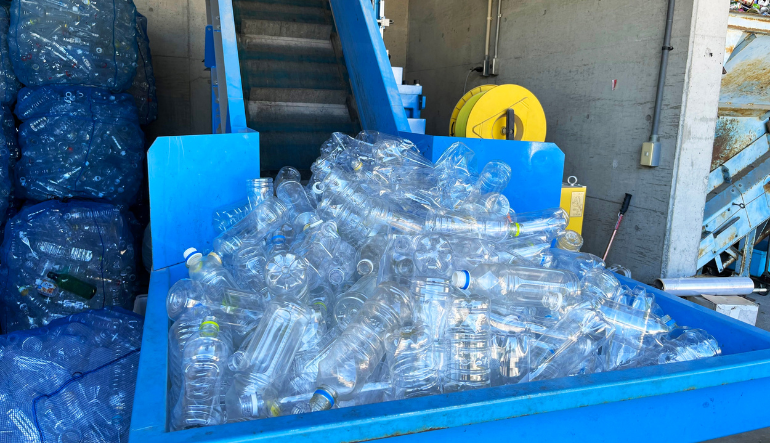
The traditional pricing logic of the global plastics industry has officially been rewritten. Until 2025, virgin resin reigned supreme as the cheap, abundant, and reliable default for manufacturers worldwide. However, as geopolitical tensions in the Middle East transition from temporary shocks to structural shifts, the market is waking up to a new reality: the era of cheap virgin plastics is over, and recycled materials are stepping up to claim the throne.
From Middle East Oil to Formosan Forests: The Surprising Origins of Taiwan’s Plastic Kingdom
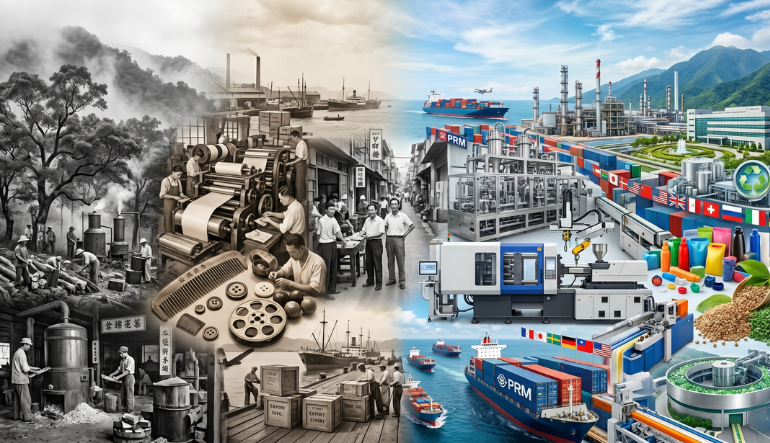
The global plastics market is currently navigating a period of profound uncertainty. With geopolitical instability in the Middle East—the world’s primary artery for petroleum and plastic resins—supply chains are feeling the squeeze, and prices are fluctuating wildly. This modern crisis serves as a stark reminder of how deeply the industry is tethered to oil. But what if I told you that Taiwan’s journey to becoming a global "Plastic Kingdom" didn't start with petroleum? In fact, long before the first oil refinery was built on the island, Taiwan held a dominant 70% to 80% share of the world’s supply of the earliest mass-produced plastic material. Considering Taiwan does not produce a single drop of crude oil, how did it conquer the world stage? The answer lies in a mysterious, organic raw material that predates modern synthetics: Celluloid.