

 English - EN
  繁體 - ZH-TW
  简体 - ZH-CN
  Español - ES
  日本語 - JA
  العربية - AR
  Русский - RU
  Français - FR
The Plastic Policy Paradox: Navigating the Clash Between Global Regulations & Industry Realities
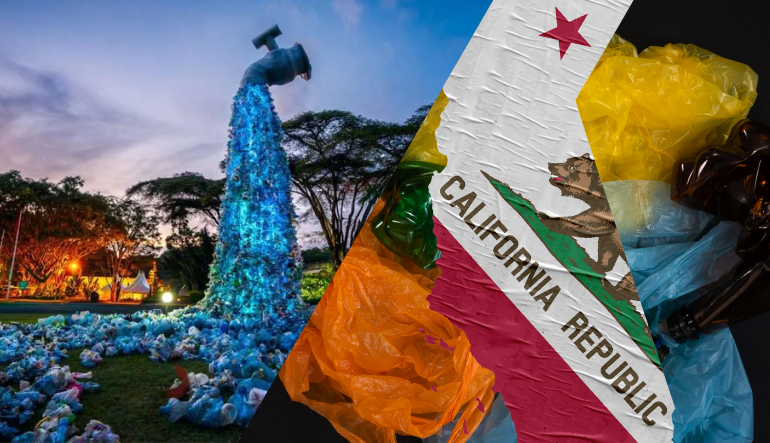
Are global plastic policies moving forward, backward, or sideways? If you’ve been following the recent headlines in 2026, you might feel like you’re watching a high-stakes tug-of-war.
On one side, regulators are pushing unprecedentedly aggressive mandates to curb plastic pollution. On the other side, the plastics industry is fighting for realistic, data-driven solutions rather than outright bans that could disrupt global supply chains. For plastic manufacturers and packaging suppliers, this political clash isn't evening news. It's a critical factor that directly impacts your Return on Investment (ROI) and factory floor operations.
Let’s decode the current regulatory rollercoaster and, more importantly, explore how you should protect your production lines against the chaos.
The Regulatory Rollercoaster: From the UN to California
Recent reports from The Guardian highlight a frustrating reality: the highly anticipated UN Global Plastics Treaty is facing severe headwinds. NGOs warn that negotiations are "going backwards" as nations and lobbyists clash over the fundamental approach, whether to aggressively limit polymer production or focus solely on waste management.
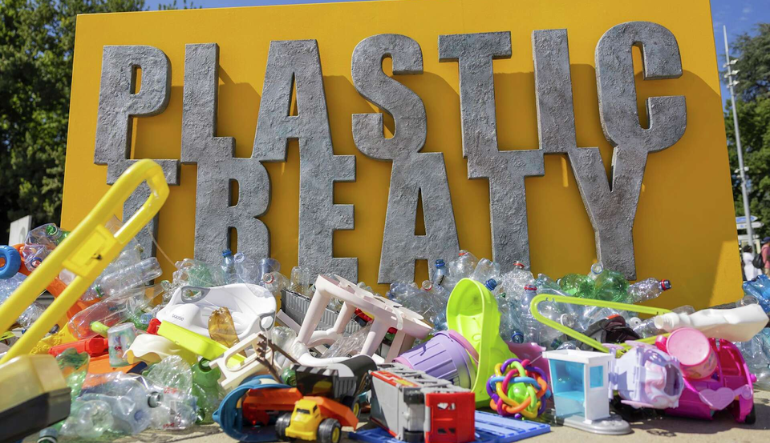
Plastic items are seen on Place des Nations in front of the European headquarters of the United Nations in Geneva, Switzerland, Monday, Aug. 4, 2025 before the second segment of the fifth session of the Intergovernmental Negotiating Committee on Plastic Pollution (INC-5.2). (Salvatore Di Nolfi/Keystone via AP)
Meanwhile, localized legislation is showing no mercy. Take California’s SB 54 (Plastic Pollution Prevention and Packaging Producer Responsibility Act). While this landmark Extended Producer Responsibility (EPR) law shifts the recycling burden onto producers, it has just entered a fierce legal battlefield.
In late August 2026, a coalition of 17 State Attorneys General filed for a preliminary injunction in federal court to block SB 54. Yet, enforcement agencies firmly emphasize that compliance and registration deadlines are NOT paused.
For packaging manufacturers, waiting on the sidelines is a high-stakes gamble. If the injunction is denied, those who delayed their eco-transitions will face catastrophic non-compliance fines.
The Industry’s Pragmatic Counter-Move: Tracking & Infrastructure
The industry isn't just sitting back. Recognizing that bans often ignore the vital benefits of plastics, industry leaders are advocating for smarter, infrastructure-based legislation.
A prime example is the Plastics Pipe Institute’s recent endorsement of the Tracking Plastic Act of 2026. Instead of villainizing the material, this approach emphasizes advanced tracking, improving sorting infrastructure, and keeping plastics within a closed-loop Circular Economy. The message from the industry is: Don't ban the material; fix the system.
What This Means for Buyers: The Need for "Future-Proof" Machinery
So, where does this leave you? The factory manager, the procurement director, or the business owner? Caught in the crossfire.
If regulations tighten, you might be forced to incorporate much higher percentages of Post-Consumer Recycled (PCR) resins. If industry tracking becomes the norm, your products might need new multilayer structures or traceable markers. The best way to survive this political volatility is Extreme Flexibility.
This is exactly where PRM’s Plastics and Rubber Machinery steps in as your ultimate problem-solver.
PRM’s suppliers have spent the last decade perfecting the balance between high-end performance and adaptability. Here is how upgrading with machinery can turn policy headaches into competitive advantages:
- Advanced Recycling Lines: Capable of handling highly contaminated or varied PCR materials without sacrificing output stability.
- Smart Extrusion & Injection Molding: Co-extrusion technologies that allow you to integrate recycled materials into virgin resin, meeting compliance while maintaining structural integrity and aesthetics.
- Industry 4.0 Integration: Real-time data tracking (OEE) and smart monitoring ensure your energy consumption is minimized, a critical metric for upcoming carbon footprint regulations.
Turn Compliance into a Competitive Edge
The clash between plastics and politics won't be resolved overnight. But your factory’s survival can't wait for politicians to agree. By investing in agile, sustainability-focused machinery, you aren't just reacting to the latest laws. You need to future-proof your business for whatever the regulatory landscape throws at you next.
Don't let policy dictate your profitability. Head over to PRM-Taiwan.com today to connect with top-tier suppliers who can help you build a resilient, eco-friendly, and highly profitable production line.
Source
- The Guardian: UN plastic treaty is going backwards, experts say
- EIN Presswire: Plastics Pipe Institute Endorses Tracking Plastic Act of 2026
- The National Law Review: SB 54 Is in Effect: What California's New Packaging Law Means for Your Business
We have over 200 of the biggest and many of the smallest Taiwanese machinery manufacturers on our site and contacts with many more. Whether you are looking for full lines such as, recycling machines extruders, blow molding machines, injection molding machines and printing machines, or auxiliary equipment and parts such as gearboxes, barrels, screws, molds, dies, control systems and virtually anything related to the plastic and rubber industries including packaging. If it’s made in Taiwan, we will find it for you!

 speed boat sailing along the Persian Gulf near a cargo vessel. Nurphoto | Nurphoto | Getty Images_1774425194.png)