

 English - EN
  繁體 - ZH-TW
  简体 - ZH-CN
  Español - ES
  日本語 - JA
  العربية - AR
  Русский - RU
  Français - FR
Beyond the Subsidies: What Bangladeshi Plastics Manufacturers Are Actually Buying
As Prime Minister Tarique Rahman’s high-profile state visit to Beijing on June 26, 2026, secures 13 new bilateral agreements, a massive wave of Chinese state financing is poised to reshape Bangladesh’s industrial landscape.Yet, beneath these sweeping geopolitical headlines, local plastics and rubber manufacturers are focusing on a far more immediate reality: the looming 2026 LDC (Least Developed Country) Graduation deadline.
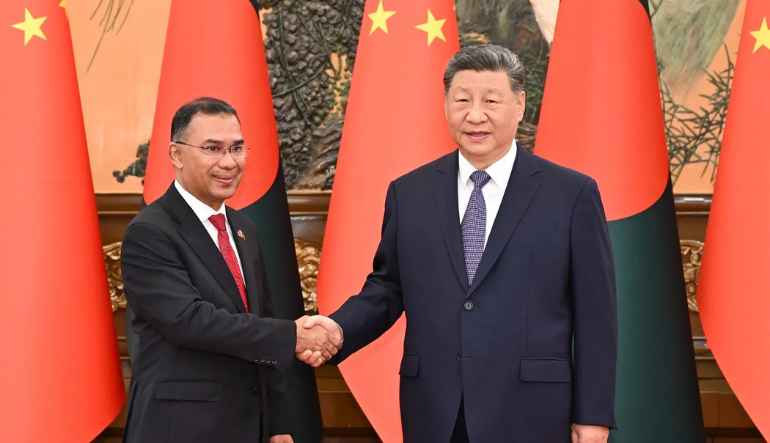
Chinese President Xi shakes hands with Bangladeshi Prime Minister Tarique Rahman in Beijing on June 26.
For international brands and Dhaka’s factory owners, the influx of foreign credit does not change the hard operational ceiling on the factory floor. When Bangladesh officially loses its LDC tariff privileges, relying on low-cost manual labor will no longer protect export margins. To survive, the market is urgently upgrading.
Based on the specific purchasing inquiries the PRM-Taiwan team fielded firsthand during our ground operations at the IPF Bangladesh exhibition in Dhaka, here is what manufacturers are actually buying to brace for the post-LDC era:
1. Compliance-Ready Automation for Exports
To maintain accounts with lucrative global retail giants, Bangladeshi factories must pass stringent Western safety directives, such as EN71-3 (which strictly regulates toxic element migration in products like toys and packaging). Manual processing and inconsistent heating profiles are being phased out. Buyers are actively investing capital into high-precision injection molding and automated flexible packaging lines that guarantee auditable, consistent quality.
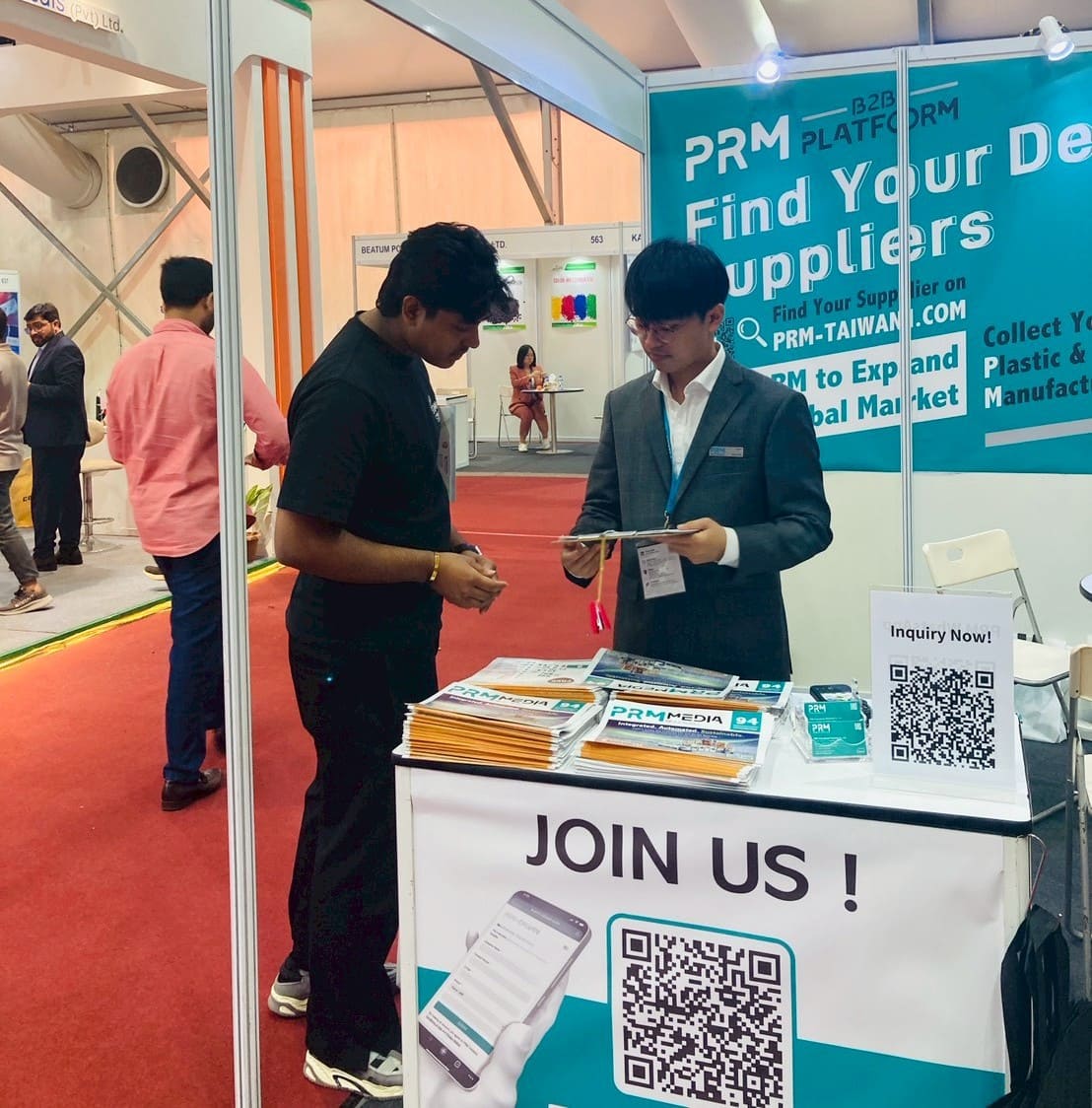
PRM Team in IPF Bangladesh this January
2. Advanced Circular Economy Technology
With global material prices fluctuating, local manufacturers are trying to insulate themselves from high imported resin costs. The demand on the exhibition floor was heavily concentrated on specialized recycling machinery. Buyers want equipment capable of processing Dhaka's highly contaminated, heavy-ink, and high-sand-content local plastic waste into high-quality, reusable pellets.
The Elephant in the Room: Does Cheap Financing Equal Cheap Machinery?
This buying urgency lands right in the middle of Dhaka's new geopolitical tightrope. While subsidized Chinese loans dramatically lower the initial barrier to entry for factory expansions, seasoned Bangladeshi industrialists are doing the math on the Total Cost of Ownership (TCO).
This raises the inevitable question: Does subsidized foreign capital guarantee the purchase of that country's equipment?
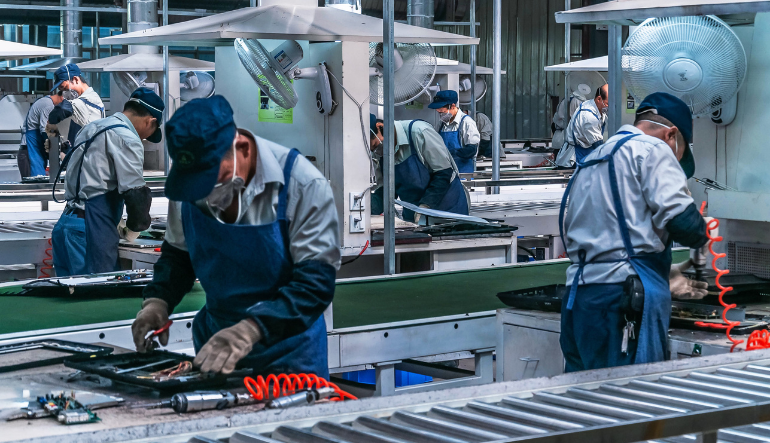
The reality on the factory floor says no. While a state-backed machine might offer a lower upfront price tag, that financing quickly becomes an operational liability if the equipment fails to maintain the Overall Equipment Effectiveness (OEE) required for Dhaka's rigorous 24/7, multi-shift production schedules.
Furthermore, relying entirely on a single foreign capital stream introduces supply chain risks. Bangladesh operates under trade arrangements with Western markets, including the US, which closely scrutinize strategic partnerships with "non-market economies." For export-driven manufacturers, diversifying their technology pipeline is a critical compliance shield.
The Strategic Value of Trusted Engineering
This is precisely where established suppliers—particularly from Taiwan—fit into the procurement puzzle. Bangladeshi buyers are not choosing Taiwanese co-extrusion or injection lines based on abstract superlatives; they are making a calculated financial hedge.
Despite the higher upfront cost compared to heavily subsidized alternatives, manufacturers are investing in Taiwanese technology because its OEE metrics, specific automation capabilities, and local after-sales support networks have been proven to endure South Asian industrial conditions. It allows them to keep their factories running, pass Western audits, and protect their export margins.
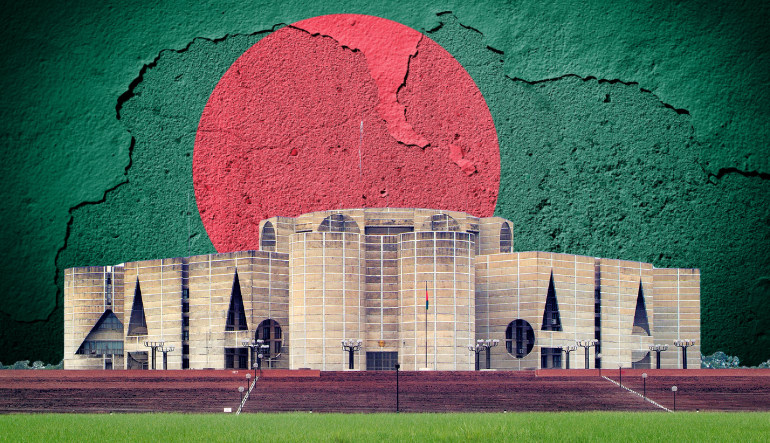
Bangladesh’s iconic parliament building.
The Verdict for the Factory Floor
Geopolitical diplomacy and state-backed financing may lower the cost of building a factory, but they do not keep a production line running at 3:00 AM, nor do they guarantee a pass on an EN71-3 compliance audit. As Bangladeshi plastics manufacturers brace for the post-LDC reality, the true battle for market share isn't just about who offers the cheapest money—it’s about whose machinery can reliably protect a factory's export margins.
We have over 200 of the biggest and many of the smallest Taiwanese machinery manufacturers on our site and contacts with many more. Whether you are looking for full lines such as, recycling machines extruders, blow molding machines, injection molding machines and printing machines, or auxiliary equipment and parts such as gearboxes, barrels, screws, molds, dies, control systems and virtually anything related to the plastic and rubber industries including packaging. If it’s made in Taiwan, we will find it for you!