

 English - EN
  繁體 - ZH-TW
  简体 - ZH-CN
  Español - ES
  日本語 - JA
  العربية - AR
  Русский - RU
  Français - FR
The Plastic Bag Machine Buyer's Guide: How to Select Equipment Based on Bag Type, Material, and Production Scale
The global flexible packaging industry is projected to exceed $280 billion by 2028, with plastic bags remaining a cornerstone across retail, industrial, and e-commerce sectors. As manufacturers face mounting pressure to balance production efficiency with sustainability mandates, the choice of bag making equipment has never been more strategic. Modern plastic bag making machines deliver not just speed and automation—they enable material versatility (from traditional PE to emerging biodegradable polymers), modular scalability, and the precision required to meet increasingly strict quality standards. Whether you're entering the market or upgrading legacy lines, this comprehensive guide decodes the critical relationship between bag types, sealing technologies, material selection, and machine configuration—giving you the technical foundation to make informed capital investments and stay ahead in a rapidly evolving landscape.
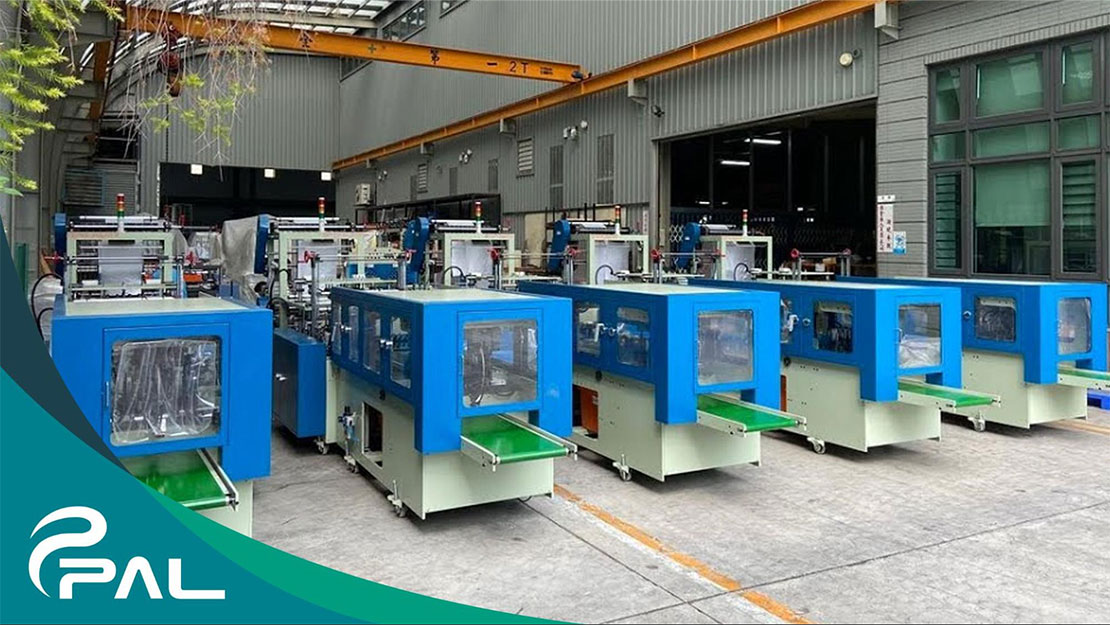
Bag Types and Their Corresponding Machines
Selecting the right plastic bag making machine begins with understanding how each bag type is technically defined. In modern converting operations, bag types are determined by sealing structure, compatible materials, production format, and functional modules.
While many specialized formats exist, bottom-seal and side-seal structures represent the vast majority of global plastic bag production. This classification follows the same engineering logic used by factories planning scalable, high-volume lines, focusing on these two primary sealing families to achieve maximum efficiency.
Sealing Structures: The Foundation of Machine Selection
Sealing structure is the most fundamental factor in choosing the correct machine family. It directly influences production speed, compatible films (HDPE, LDPE, OPP, CPP, laminates), seal integrity, and the range of modules that can be integrated for specialized bag formats.
Bottom Seal Bags
Primary Machine: Bottom Seal Bag Making Machine
Best For: garbage bags, industrial liners, T-shirt bags, drawtape bags, bag-on-roll formats
Why Bottom Seal Machines Dominate Heavy-Duty Applications:
Common Bag Types:
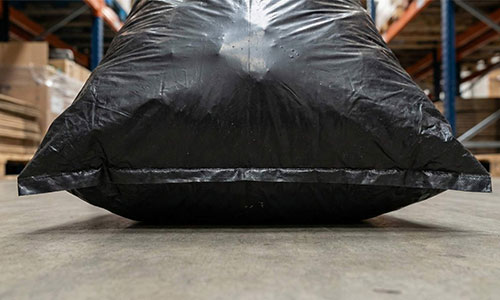
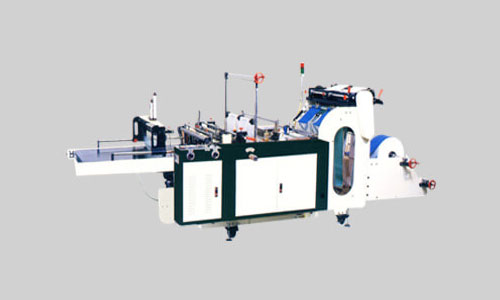
(Bottom Seal Bag Making Machines)
- Strongest sealing strength for load-bearing products—critical for waste containment and industrial use
- Handles thick-gauge and recycled films with superior stability
- Engineered for high-speed continuous operations with minimal downtime
- Supports 4–21 lane configurations for mass production scalability
- Standard garbage bags
- Drawstring garbage bags
- Industrial waste liners
- T-shirt bags (vest bags)
- Produce bags-on-roll
- Export jumbo rolls for wholesale distribution
Side Seal Bags
Primary Machine: Side Seal Bag Making Machine
Best For: e-commerce courier bags, OPP garment bags, stationery bags, clear retail packaging
Why Side Seal Machines Are Preferred for Retail and E-Commerce Packaging:
Common Bag Types:
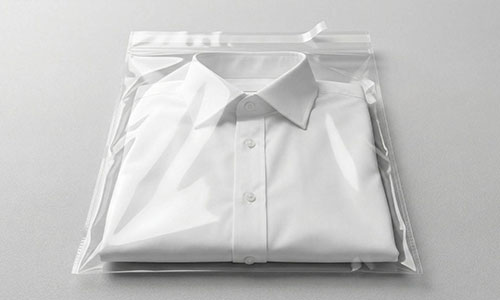
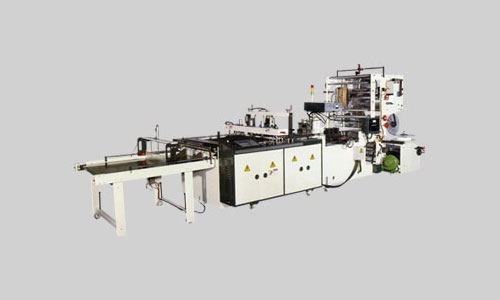
(Side Seal Bag Making Machines)
- Superior clarity and professional seal appearance—essential for branding
- Extremely high cycle speed for rapid order fulfillment
- Optimized for OPP/CPP films with excellent optical properties
- Seamless integration with hot-melt adhesive, zipper insertion, and tear-strip modules
- Courier/mailing bags with self-seal closures
- OPP garment bags
- Stationery and office supply bags
- Retail display bags with hang holes
- Side-seal zipper bags for apparel and accessories
Functional Modules: Engineering Specialized Bag Formats
Once the sealing structure is determined, factories leverage functional modules to create value-added or complex bag formats without investing in entirely new production lines.
-
Drawtape Module
Installed on: Bottom Seal Machines
- Tape folding, feeding, and ultrasonic welding
- Perforation control with film tension management
- Bag-on-roll rewinding capability
- Optional auto-folding for shelf-ready packaging
Applications: Drawstring garbage bags, premium drawtape retail bags, kitchen waste liners
-
Zipper & Slider Module
Installed on: Bottom Seal or Side Seal Machines
- Inline zipper welding with precise track alignment
- Slider insertion and functionality testing
- Track-and-hook sealing for reclosable performance
- Optional zipper profile extrusion integrated with blown film lines
Applications: Reclosable food storage bags, slider deli bags, fresh produce bags, grape bags
-
Bag-on-Roll Rewinder
Compatible with: Multiple machine families
- Core or coreless rewinding options
- Perforation lines for easy-tear dispensing
- Tight, export-grade roll winding with consistent tension
Applications: Consumer garbage bags-on-roll, produce bags-on-roll for supermarkets, dispenser-ready formats
-
Rotary Die-Cutting Module
Installed on: Specialized bag making lines (such as handle cut-outs or ventilation holes)
- Pattern cutting for custom shapes
- Decorative or functional perforations
- High-speed rotary die precision
Machine Mapping: The Complete Engineering Overview
The following summarizes the real-world configuration of machines and modules for each bag type, reflecting how leading factories structure their production lines.
| Bag Type | Sealing Structure | Primary Machine | Required Modules / Options |
|---|---|---|---|
| Garbage bags | Bottom Seal | Bottom Seal Machine | Bag-on-Roll / drawtape / perforation |
| Drawtape bags | Bottom Seal | Bottom Seal + Drawtape Module | Rewinder / folding system |
| T-shirt bags | Bottom Seal | T-shirt Bag Machine | Punching / multi-lane configuration |
| Courier bags | Side Seal | Side Seal Machine | Hot-melt adhesive / tear strip |
| Zipper bags | Side Seal | Zipper Bag Machine | Inline zipper / slider / profile extrusion |
| Stationery bags | Side Seal | Side Seal Machine | Gusseting / hole punching |
| Produce bags | Bottom Seal | Bottom Seal Machine | Bag-on-Roll rewinder |
| Heavy-duty liners | Bottom Seal | Heavy-Gauge Bottom Seal | Heat-slitting for thick films |
Machine capability is only one component of production planning. The material you select further determines sealing performance, production speed, regulatory compliance, and end-user satisfaction.
Material Comparison: PE, PP, HDPE, and Biodegradable Options
Your choice of raw materials affects not only bag properties but also compliance with environmental regulations and consumer expectations in sustainability-conscious markets.
| Material | Properties | Typical Applications | Notes |
|---|---|---|---|
| LDPE (Low-Density Polyethylene) | Flexible, clear, excellent sealing | Shopping bags, general liners | Widely used, easy to process, cost-effective |
| HDPE (High-Density Polyethylene) | Strong, opaque, thinner gauge | T-shirt bags, garbage liners | Cost-effective, high strength-to-weight ratio but less clarity |
| PP (Polypropylene) | High clarity, heat resistance, stiffness | Specialty pouches, food packaging | Premium appearance, requires higher sealing temperature |
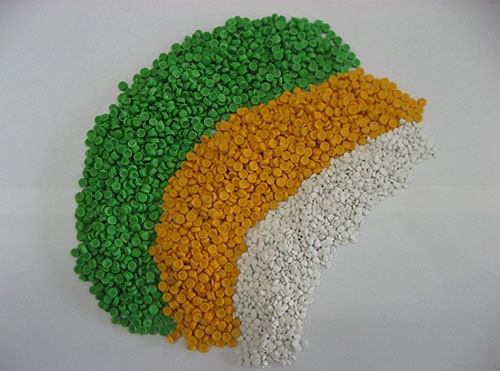
| Biodegradable Materials (PLA, PBAT, starch blends) | Compostable, eco-friendly, reduced carbon footprint | Eco bags, regulated markets, organic retail | Must meet certification standards (EN 13432, ASTM D6400) |
Machine Selection and Configuration Insights
Beyond selecting the right machine type, today's plastic bag production benefits from advanced automation and modular flexibility. Modern bag making systems empower manufacturers to balance efficiency, quality consistency, and scalability.
- Fully automatic lines – Minimize labor dependency while maintaining consistent sealing precision and cutting accuracy across shifts.
- Servo-driven systems – Enhance film control, dramatically reduce material waste, and improve energy efficiency through optimized motor performance.
- Modular add-ons – Options such as inline flexographic printing, pneumatic punching, automatic gusseting, or multi-track zipper units enable immediate customization and future-proof upgrades.
Quick Decision Framework:
- Define your target bag types and projected monthly production volume (consider 12-18 month growth).
- Confirm that your machine supports your chosen film materials (PE, PP, biodegradable blends) and thickness ranges.
- Balance automation level with ROI expectations—avoid over-investing in capacity that exceeds near-term demand while ensuring room for expansion.
Step-by-Step Plastic Bag Manufacturing Process
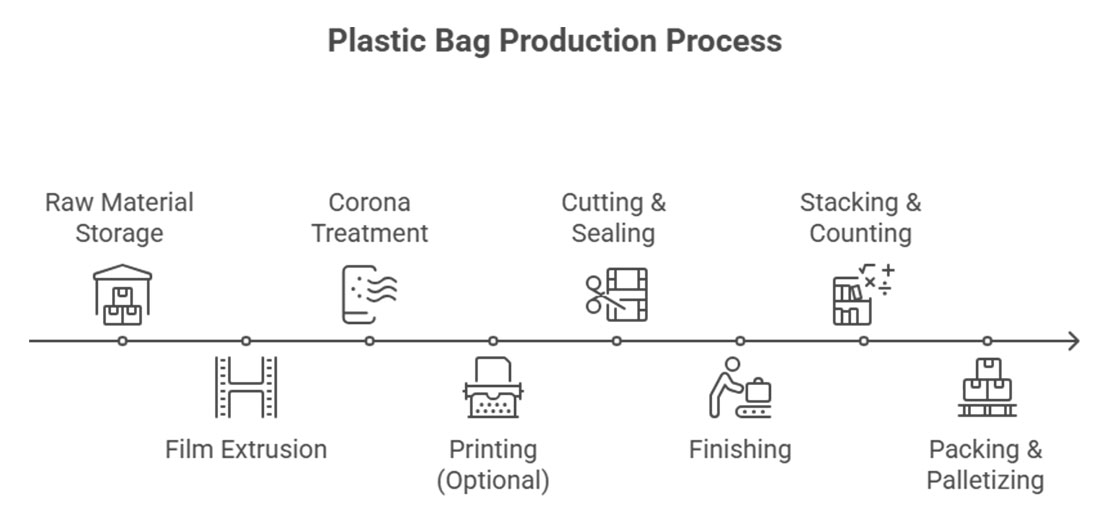
A modern plastic bag making process involves several interconnected stages, each contributing to final product quality:
- Raw Material Storage – Resin pellets stored under controlled temperature and humidity conditions to prevent moisture contamination.
- Film Extrusion – Plastic melted and blown into thin film rolls using blown film extrusion technology.
- Corona Treatment – Surface treatment to enhance ink adhesion for printing applications.
- Printing (Optional) – Flexographic or gravure printing on film for branding, instructions, or regulatory compliance.
- Cutting & Sealing – Film cut to precise dimensions and sealed (bottom or side seal) using heat and pressure.
- Finishing – Gusseting, perforation, zipper integration, or punching for handles and ventilation.
- Stacking & Counting – Bags automatically stacked and counted for quality control and packing.
- Packing & Palletizing – Final packaging for shipment, often with protective wrapping and labeling.
This comprehensive flow demonstrates the journey from raw resin to finished, market-ready bags.
Cost Considerations in Machine Investment
The price of a plastic bag making machine is not a single figure—it varies significantly based on multiple factors:
- Machine type and scale – Compact semi-automatic systems vs. high-speed fully automatic production lines.
- Automation level – Servo-driven systems and advanced PLC controls reduce labor requirements but increase initial capital investment.
- Optional modules – Perforation units, zipper insertion systems, inline printing, or drawtape mechanisms add functionality and cost.
- Energy efficiency – Modern systems with variable frequency drives lower power consumption and reduce film waste through precise tension control.
- After-sales service – Comprehensive training programs, readily available spare parts, and responsive maintenance support ensure long-term uptime and productivity.
Instead of focusing exclusively on the purchase price, manufacturers should evaluate the total cost of ownership (TCO)—encompassing energy consumption, material waste, production downtime, and ongoing service costs. A higher upfront investment often results in substantially lower operating costs and faster return on investment (ROI) over the equipment's 10-15 year lifespan.
For detailed ROI modeling and comprehensive buying frameworks, see our Buyer’s Guide: Choosing the Right Plastic Bag Making Machine for Your Needs.
Tailored Solutions with PLAS ALLIANCE
Choosing the right bag making machine transcends speed specifications—it's about seamless integration, operational flexibility, and sustainable long-term ROI. For example, PLAS ALLIANCE recently partnered with a Southeast Asian manufacturer to upgrade from semi-automatic to fully automatic bottom seal machines with integrated biodegradable film handling. The transformation delivered a 30% reduction in labor costs, accelerated delivery cycles by 40%, and achieved full compliance with new biodegradable film regulations—positioning the client as a market leader in sustainable packaging.
With decades of engineering expertise across extrusion, printing, and converting technologies, PLAS ALLIANCE delivers more than standalone machines. We design complete, turnkey production ecosystems—integrating film extrusion, multi-color printing, and precision bag making—to help clients maximize efficiency, minimize waste, and meet evolving sustainability goals.
Ready to take the next step? Sort by bag type to quickly identify the right machine for your end-product and start planning your ideal production line today.
“PAL- Working with you to create all types of bag making automation solutions!”
Like the first companies in 1988 to create the first bottom seal bag machine started, and since then, we have been studying bag machine design, manufacturing, innovation and change with the bag, we have always kept up to date technology, continue to explore, develop more labor-saving, cost-saving bag machinery, to provide customers with a complete bag packaging solutions, growing up with customers, a business partner to create the pinnacle!
“PAL, A market leading supplier of packaging solutions around the world.”
PAL first started in 1988 by building our first sealing bag machine. Since then, we have focused on the design and manufacture of bag making machines. Up until now, we have been constantly striving to improve our technical skills and developing more efficient and energy-saving machinery. PAL provides our clients with turn-key solutions for the packaging industry. We like to develop together and build a successful business relationship with our clients.