

 English - EN
  繁體 - ZH-TW
  简体 - ZH-CN
  Español - ES
  日本語 - JA
  العربية - AR
  Русский - RU
  Français - FR
Our Plastic Artifacts: Why the Recycling Crisis is Writing a Troubling History
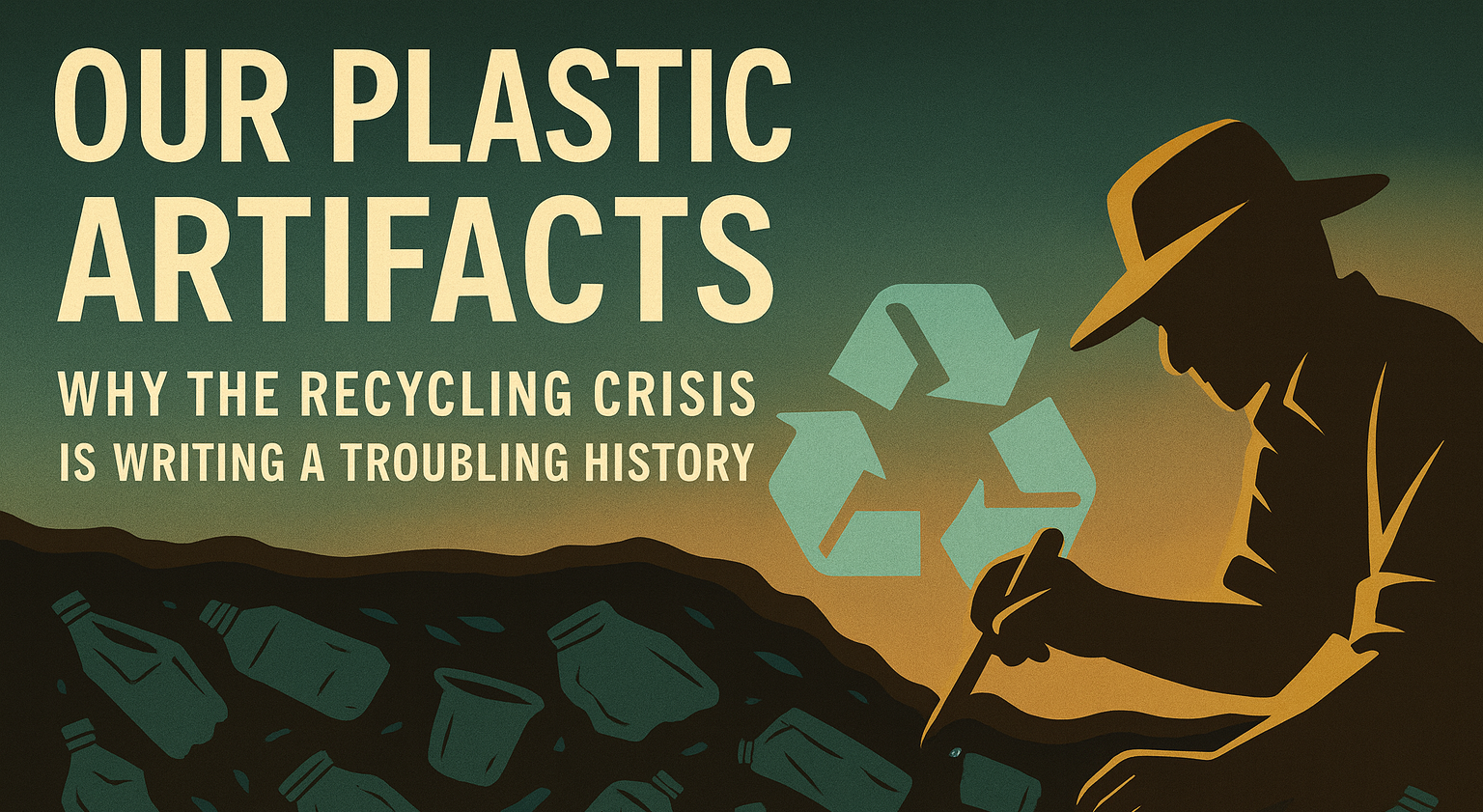
Future archaeologists might not need to dig for pottery shards or ancient bones to understand us. Instead, they’ll find our story buried in layers of polyethylene, PET, and polystyrene. A recent study from the University of York frames our era’s most widespread pollutant—plastic—as the definitive archaeological record of the 21st century. Just as the stone axe defined the Stone Age, our plastic waste is defining ours. Every bottle, bag, and component we discard is an artifact, a permanent testament to our lifestyle.
The question is, what story are we leaving behind?
Right now, it’s a story of a great contradiction. Publicly, our global society champions recycling. Governments announce ambitious targets, and consumers express overwhelming support for sustainability. Yet, the very system meant to be our environmental lifeline is stalling. Stagnating recycling rates and overflowing landfills reveal a harsh truth: we are failing to invest in the infrastructure needed to manage our "Plastic Age."
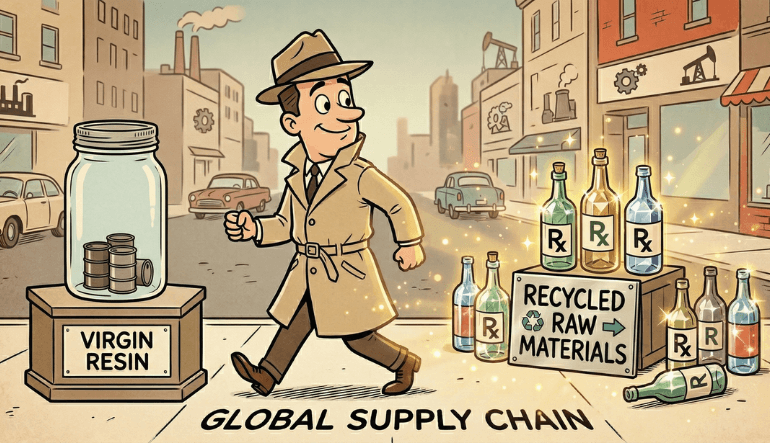
The evidence for this is stark and recent. According to a C&EN report from August, major players like Borealis, Dow, and Neste have scrapped plans for large-scale plastics recycling plants in Europe. The reason? The market is being undercut by plentiful, cheaper virgin plastic. This trend is reflected in the data: a recent report shows that only 6.9% of annually used materials were from recycled sources, a notable drop from previous years. Investment in circular solutions is urgently necessary.
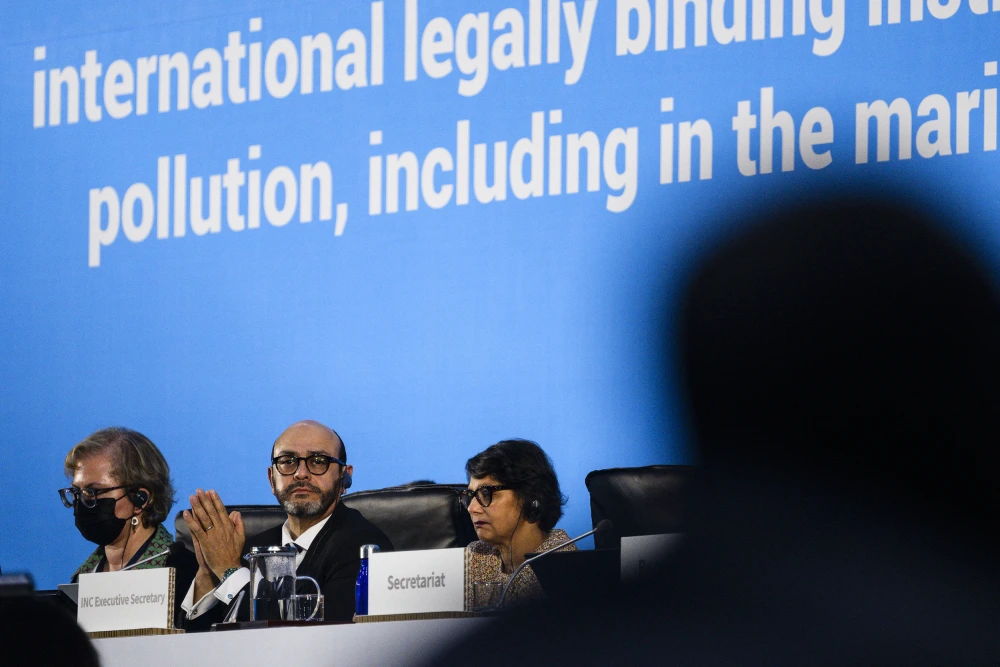
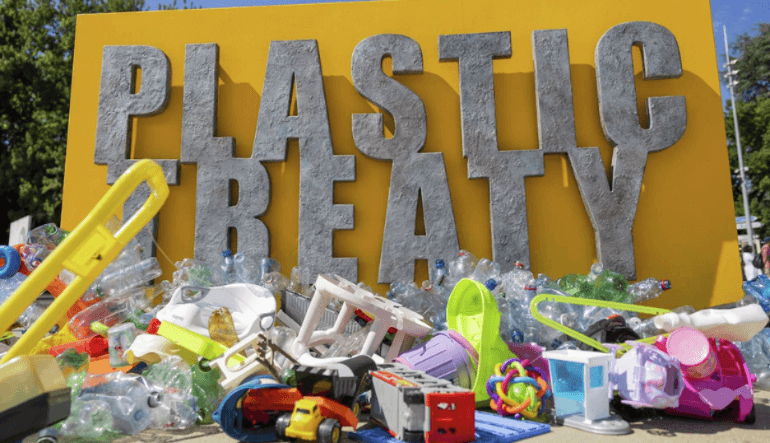
Chair Luis Vayas Valdivieso at a meeting of the U.N. Intergovernmental Negotiating Committee on Plastic Pollution in Busan, South Korea, on Sunday.Anthony Wallace / AFP - Getty Images
This isn't a simple case of consumers tossing the wrong items into the bin. The crisis runs deeper, rooted in systemic neglect. For decades, the recycling industry has been treated less like a critical public utility and more like a hopeful afterthought. This long-term neglect has clear consequences, which are powerfully reflected in the recent stalling of the global plastic treaty negotiations. The industry has been starved of the capital needed for a major technological upgrade, leaving it struggling to compete with the low cost of virgin plastic. Without robust government policies to hold manufacturers accountable and promote viable alternatives, the economic incentive to innovate and build a truly circular economy simply isn't there.
But this is precisely where the opportunity lies for forward-thinking industry leaders. The solution to rewriting our plastic legacy isn’t about going back in time; it's about engineering a smarter future. Imagine a high-tech recycling renaissance, powered by the very innovation Taiwan is known for.
Let's ground this in Taiwan's core industrial strengths. We're talking about leveraging Taiwan's world-class automation and machinery expertise to create intelligent recycling lines. This means integrating high-fidelity optical sorters that can distinguish between different plastic grades with incredible speed, building smart factory systems that provide real-time data on waste streams, and manufacturing the precise components needed for advanced recycling processes.
This isn't science fiction; it's the logical next step for an industry that has already mastered precision manufacturing. The technology to drastically improve sorting efficiency and create purer recycled materials is here. What's needed is the market demand and investment to deploy it at scale.
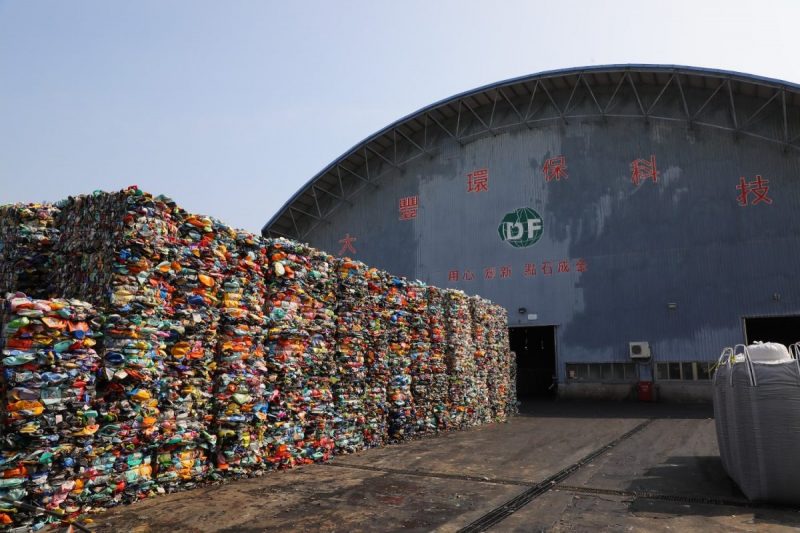
Da Fon's R&D Center, the Quanxing Processing Plant in Hemei, Changhua, Taiwan. esg.gvm.com.tw / Su Yi-Chieh photos
This vision is already becoming a reality in Taiwan. In New Taipei City, a large-scale sorting plant now uses AI image recognition and robotic arms to automatically identify 17 types of recyclables, drastically boosting efficiency and material purity. Industry leaders, such as Da Fon Environmental Technology, are showcasing complete, commercialized value chains, proving the technology’s viability.
Meanwhile, social enterprises like Trasholove are establishing community-based regeneration centers to embed recycling education at a local level. These examples prove that Taiwan’s industry has moved from theory to practice, showcasing a competitive edge where technology and sustainability converge.
Ultimately, the plastic artifacts we create today are a choice. They can be monuments to our indifference—a story of a society that knew better but failed to act, where everybody is accountable. Or, they can tell a tale of innovation, resilience, and responsibility—a story of a generation that faced its material crisis head-on and invested in the technology to build a truly sustainable future.
For global buyers and industry pioneers, the moment is now. By investing in the next generation of recycling machinery, we aren’t just cleaning up a mess; we are curating a legacy of ingenuity for future generations to excavate with pride.
If you would like to learn more about Taiwanese recycling lines and our efforts in the circular economy, please visit PRM-Taiwan for information on additional machinery manufacturers.
#PRMTaiwan #PlasticRecycling #CircularEconomy #SustainableManufacturing #Archaeology #Investment #WasteManagement #MadeInTaiwan #SmartFactory #EPR
We have over 200 of the biggest and many of the smallest Taiwanese machinery manufacturers on our site and contacts with many more. Whether you are looking for full lines such as, recycling machines extruders, blow molding machines, injection molding machines and printing machines, or auxiliary equipment and parts such as gearboxes, barrels, screws, molds, dies, control systems and virtually anything related to the plastic and rubber industries including packaging. If it’s made in Taiwan, we will find it for you!