


 English - EN
  繁體 - ZH-TW
  简体 - ZH-CN
  Español - ES
  日本語 - JA
  العربية - AR
  Русский - RU
  Français - FR
The Lethal Dose: Why a Single Piece of Plastic is Changing the Ocean’s Future—and Our Industrial Destiny
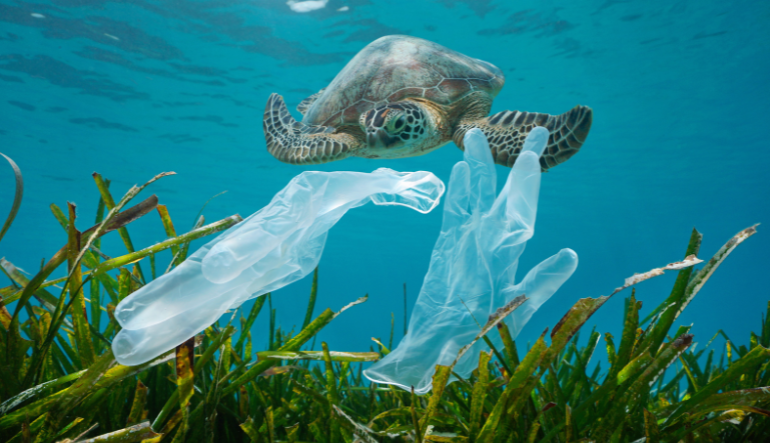
New research reveals that for marine life, the margin for error is zero. As the architects of the polymer age, how does the plastics industry rewrite this narrative?
The Silent Assassin in the Blue
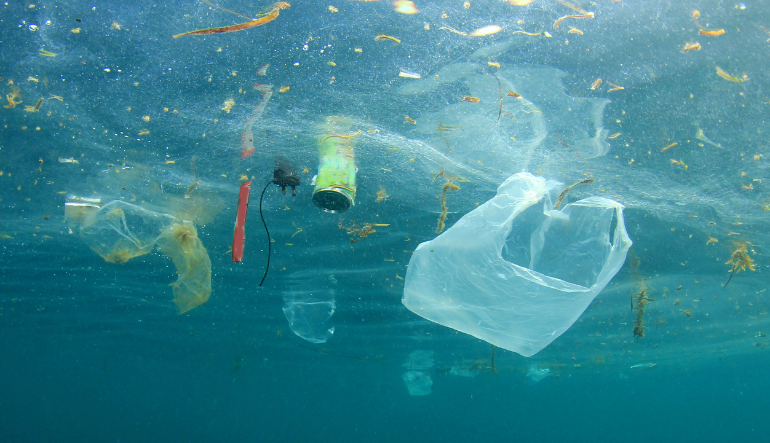
When we think of ocean pollution, our minds often conjure images of the Great Pacific Garbage Patch—a swirling island of debris the size of Texas. We imagine sea life choking on six-pack rings or whales with stomachs full of fishing nets. While these images are real, a groundbreaking study highlighted by the Ocean Conservancy has revealed a far more terrifying reality: Death doesn't need a mountain of trash; it only needs a speck.
Scientists have long known that plastic is harmful, but they are now quantifying the exact "lethality" of plastic pollution. The findings are sobering. The study, which analyzed the relationship between plastic ingestion and mortality rates in seabirds, sea turtles, and marine mammals, discovered that the lethal dose is shockingly small.
One Piece is Enough For a sea turtle, ingesting just one single item of plastic—regardless of whether it is a fragment of a bottle cap, a shard of hard plastic, or a piece of synthetic rubber—increases the probability of death by approximately 22%. With 14 pieces, the mortality risk jumps to 50%.
The danger lies not just in toxicity, but in physics. A single sharp fragment can puncture the gut lining. A single piece of soft film can compact and cause a blockage. For seabirds, the research indicates that currently, over 90% of all seabirds have plastic in their stomachs. By 2050, it is estimated that virtually every seabird on the planet will be carrying a toxic load.
This redefines our understanding of the crisis. We are not just dealing with an "aesthetic" issue of dirty beaches; we are dealing with a minefield. Every piece of plastic that escapes the circular loop becomes a potential lethal weapon floating in the current.

Seabirds are swallowing pieces of plastic waste. www.imperial.ac.uk/news/167386 Photo: Peter Harriman
The Weight of Our Artifacts
This research forces us to confront a harsh truth about the durability of our materials. The very property that makes plastic so valuable to the global economy—its indestructibility—is exactly what makes it catastrophic for the marine ecosystem.
We are creating "artifacts" that outlive their utility by centuries. A snack wrapper used for 5 minutes can become a lethal obstruction in a turtle’s digestive track for decades. The "Lethal Dose" study serves as a grim mirror, reflecting the unintended consequences of industrial convenience.
The Industrialist’s Reflection: What This Means for Us
So, where does this leave us? As professionals in the plastics and rubber industry, we are the creators, the molders, and the distributors of these materials. We are not the villains, but we are undeniably the ones holding the key to the solution.
Reading this study shouldn't just evoke guilt; it should evoke a sense of urgency for industrial evolution.
1. Redefining "Quality" to Include "End-of-Life" For decades, we measured the quality of a product by its strength, clarity, and cost. The "Lethal Dose" reality demands a new metric: Recoverability. If a product cannot be easily recycled or safely degraded, it is a design failure. For industrialists, this means the machinery we buy and the processes we set up must prioritize mono-materials and easier recycling streams. The shift isn't just regulatory; it's moral.
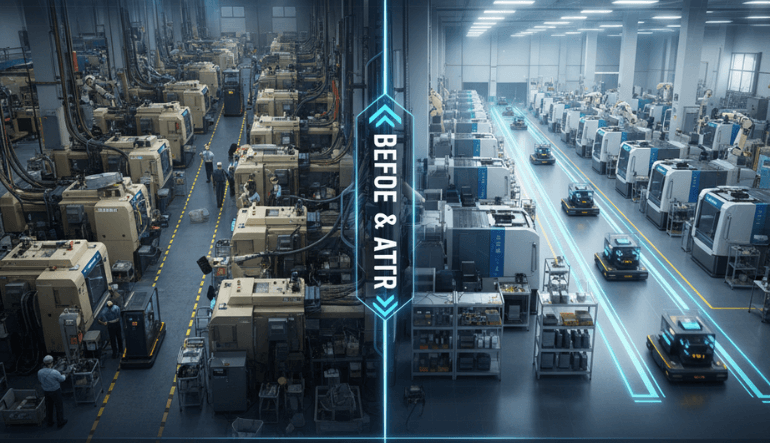
2. The Zero-Scrap Imperative If a single piece of plastic can kill, then factory leakage is no longer just "shrinkage" or "material loss"—it is an environmental hazard. This elevates the importance of Precision Manufacturing. Investing in high-end, smart machinery from hubs like Taiwan isn't just about ROI anymore; it's about ensuring that material stays in the loop and out of the environment.
3. From Linear to Circular The only way to neutralize the "lethality" of plastic is to keep it within the economy. We must aggressively adopt Mechanical Recycling and Chemical Recycling technologies. Our society needs to view waste not as trash, but as a misplaced resource.
The plastics industry is at a crossroads. We can continue business as usual and watch the lethal dose statistics climb, or we can innovate. By embracing advanced recycling technologies and sustainable machinery, we can ensure that the materials we produce serve humanity without silencing the ocean.
The seabirds and turtles don't have a choice. We do.
#OceanConservancy #PlasticPollution #Sustainability #CircularEconomy #PlasticsIndustry #PRMTaiwan #Responsibility #PRM #PlasticRecycling #SustainableManufacturing #WasteManagement #MadeInTaiwan #SmartFactory
Source:
We have over 200 of the biggest and many of the smallest Taiwanese machinery manufacturers on our site and contacts with many more. Whether you are looking for full lines such as, recycling machines extruders, blow molding machines, injection molding machines and printing machines, or auxiliary equipment and parts such as gearboxes, barrels, screws, molds, dies, control systems and virtually anything related to the plastic and rubber industries including packaging. If it’s made in Taiwan, we will find it for you!


 | PRM-Taiwan_1791955837.png)