


 English - EN
  繁體 - ZH-TW
  简体 - ZH-CN
  Español - ES
  日本語 - JA
  العربية - AR
  Русский - RU
  Français - FR
The Definitive Guide to RDF Shredder Technology
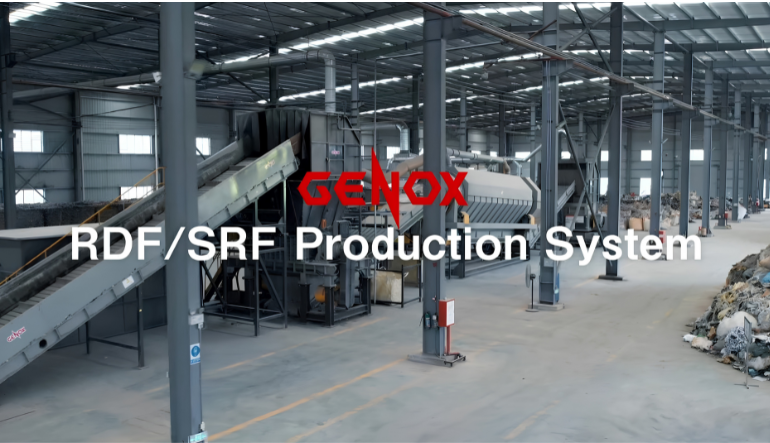
Refuse-Derived Fuel (RDF) is manufactured from combustible fractions of municipal solid waste (plastics, paper, wood, organic residues) via drying, shredding and compaction. It serves as a direct substitute for fossil fuels in cement kilns, industrial boilers, and waste-to-energy (WtE) power plants, diverting waste from landfills while generating energy. RDF has emerged as one of the most critical pillars of the modern WtE ecosystem.
While both are waste‑derived fuels, SRF (Solid-Recovered Fuel) is a higher‑grade, engineered product made from pre‑sorted industrial waste with stricter quality control, lower moisture/ash, and a more consistent calorific value compared to RDF. However, the RDF market is forecast to grow steadily as industries shift toward lower-cost, renewable energy fuels.
How Industrial Shredders Tackle Highly Heterogeneous Materials
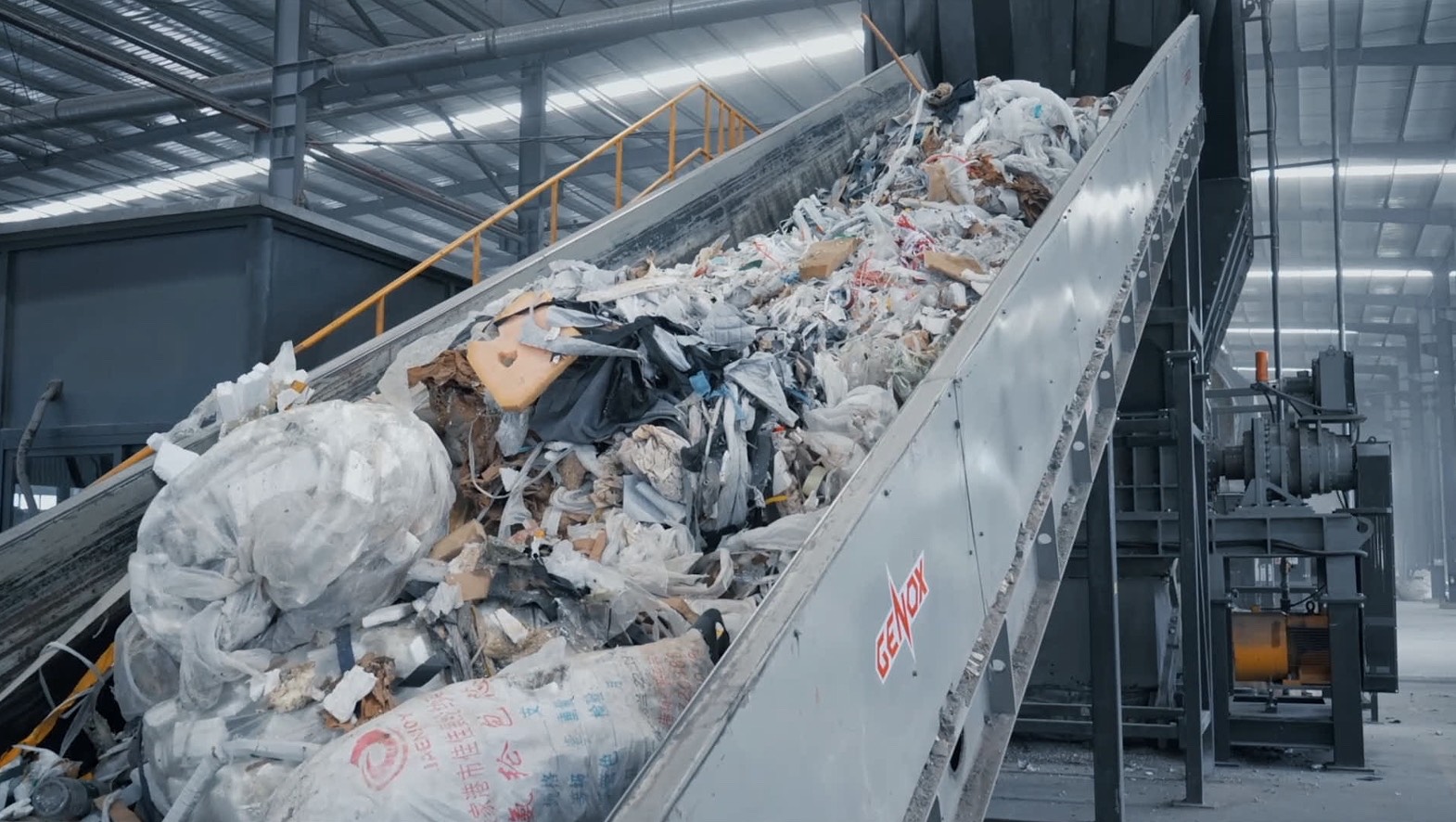
One of the biggest challenges in RDF manufacturing is the inherent heterogeneity of raw input materials. Municipal solid waste is a chaotic mixture of plastics, textiles, paper, wood, metals, glass, organic matter, and inert materials. This variability creates significant operational difficulties: calorific value fluctuates widely, moisture content often exceeds 30% in unprocessed waste, and contaminants such as metals and glass pose risks to both processing equipment and end-use combustion systems.
Modern RDF shredders are engineered specifically to process tough, heterogeneous, and often problematic materials. Their design incorporates several key engineering solutions:
High-torque, low-speed operation enables RDF shredders to handle bulky, dense, and contaminated materials without stalling or sustaining damage.
Advanced feeding mechanisms ensure optimum feeding of material to the rotor, maintaining consistent throughput even when processing irregularly shaped or voluminous waste.
Robust cutting systems with staggered knives and multiple rows of cutters ensure efficient and consistent shredding of heterogeneous waste streams.
The Complete RDF Shredding Process with GENOX
RDF production is a multi-stage process that progressively transforms raw mixed waste into a uniform, energy-concentrated fuel. The shredding workflow is integrated with separation technologies at each stage to maximize both fuel quality and resource recovery. As a leading manufacturer of high-end recycling equipment, GENOX offers high-performance RDF shredders and whole line solutions.
Stage 1: Pre-Shredding
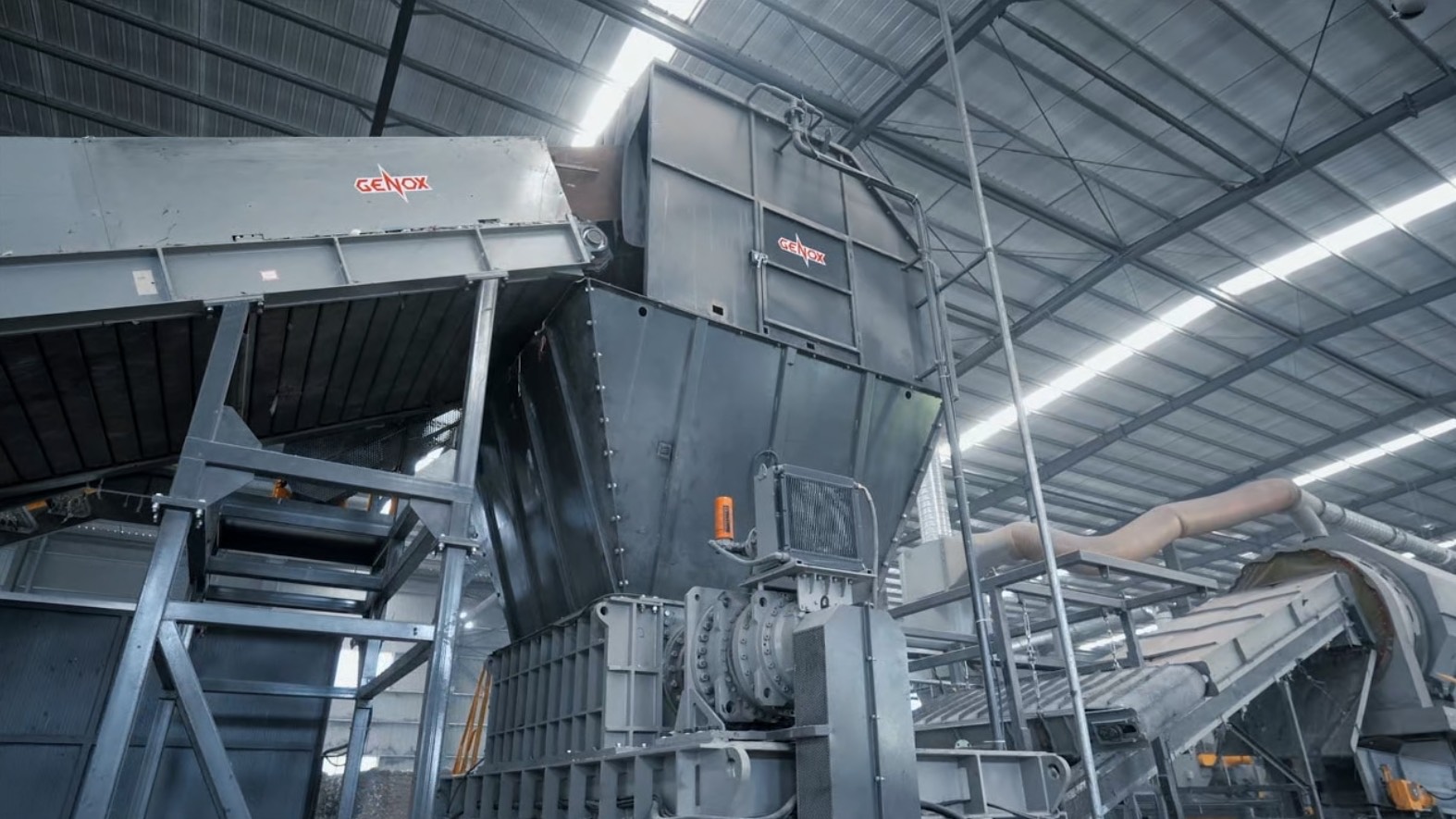
The process begins with pre-shredding, where raw municipal or industrial waste is fed into a primary shredder through an infeed conveyor system or loader. GENOX high-torque pre-shredder is equipped with large-diameter splined shafts, high-strength shredding discs, and oversized gearboxes to ensure system performance and reliability.
Stage 2: Screening and Separation
Magnetic separation using over-band magnets to extract ferrous metals such as scrap iron and steel. Ferrous metals in RDF can spoil fuel quality and damage downstream equipment, so their removal is essential.
Trommel screening to separate materials that could impact equipment performance, such as sediment, stone, and other fine particles. This step enables the extraction of different fractions—fine particles and oversized fractions—to obtain high-quality, medium-particle RDF.
Air classification (wind sifting) to separate light combustibles (plastics, paper, films) from heavier inert materials (glass, stones, metals).
Stage 3: Fine Shredding
In the near-fianl stage of the process, the material is shredded a second time in a process called fine shredding. Light fractions are fed into one or more secondary shredders depending on the system's throughput capacity.
The ideal particle size for RDF is typically 50 to 80 mm, ensuring complete combustion within the kiln and preventing unburnt carbon carryover. At this stage, the material can be marketed as high-quality RDF or SRF for various combustion applications.
Stage 4: Pressing and Packing
The shredded RDF is fed into a briquetting press or baler to increase bulk density, reduce volume, and facilitate economical storage and long‑distance transport. This step also improves combustion uniformity in the end‑user’s furnace.
Automation and System Integration
System automation ensures that all equipment units’ operating status are linked, the system capacity is maximized, and the system is protected against contaminant materials in the best way.
COOPERATIVE PARTNER