

 English - EN
  繁體 - ZH-TW
  简体 - ZH-CN
  Español - ES
  日本語 - JA
  العربية - AR
  Русский - RU
  Français - FR

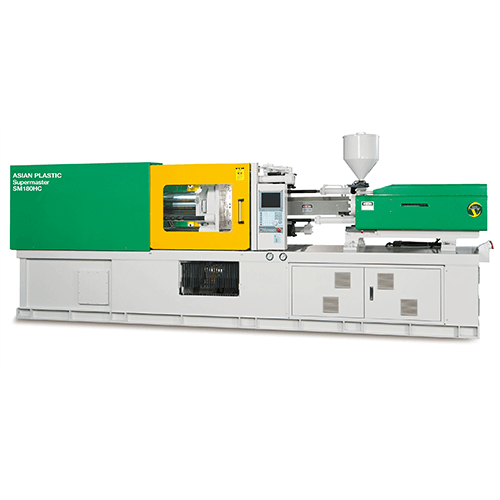
Hydraulic Clamping Injection Molding Machine (HCV Series)
Categories : Horizontal Injection Molding Machines
• New hydraulic clamping mechanism is with integration high pressure cylinder and prefill valve at top end which is to raise up the locking pressure much faster , also fast speed for mold closing and opening . Whilst , solid mechanical design provides much stronger rigidity of mold platen and ensure the high accuracy of molding products . • Linear transducers for Clamping , Ejection and Injection strokes , accurate and easy in operation . • Adopted the high efficient Japan made servo system ( DAIKIN SUT SYSTEM) which is with pressure transducer to detect and feedback , also the encoder behind motor will calculate and provide accurate oil flow to achieve CLOSE LOOP control . SUT system can provide excellent response time ≦ 0.07sec , repeatability ≦ 1% and linearity ≦ 1% . • With diagonal dual carriage cylinders to enforce the nozzle holding force . Liner rails with ball bearings supports whole injection unit to reduce the mechanical resistant and accurate the injection control. • Digital type back pressure control. • Ion nitrided screw and barrel sets are with long working life .
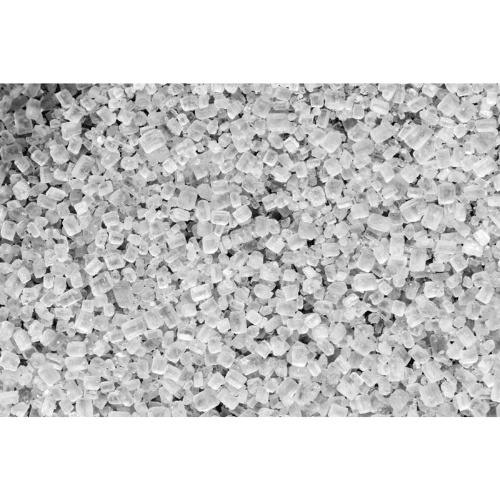
PC
Polycarbonate (PC) is a chemically representative engineering material with good impact resistance, heat resistance, dimensional stability, electrical properties, and flame retardancy. Furthermore, it maintains a good balance among these properties, making it widely applicable. In particular, its unique transparency among general-purpose engineering plastics has led to increased demand in the optical and electronic fields.
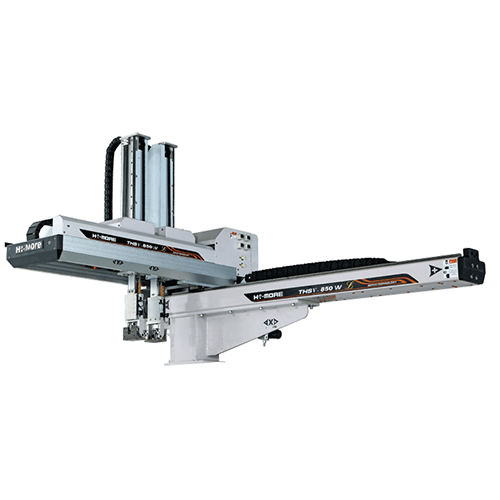
TH Series-850/950/1100w
Categories : Industrial Robots
‧3Asix servo drive ‧Pick up time :0.5sec,Cycle time:2.9 sec ‧Huge traverse chain ensure cable/tubing durability ‧Motor thermal design long durable life ‧Full colour touch screen controlle

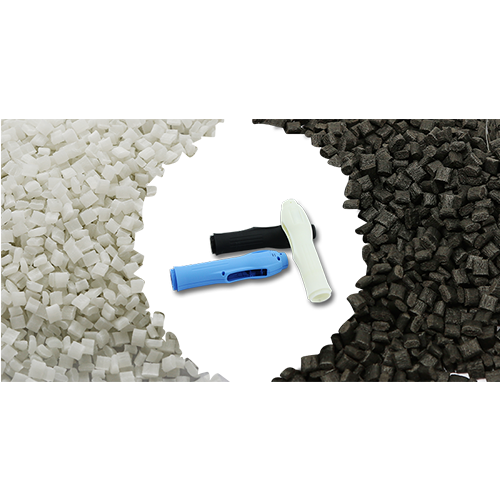
PA6 (Electrical grade)
Categories : PA(Polyamide) /Nylon
Provide static dissipative and electrostatic discharge protection requirements.
RAPID PROTOTYPING
Categories : Mold Design and Machining Services
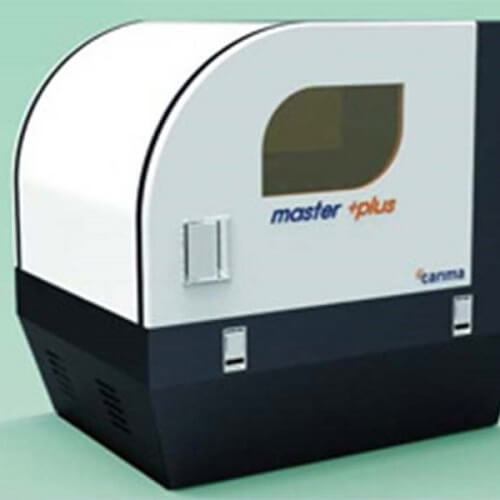
With the advent of 3D printing, rapid prototyping can now be done quickly and affordably. YOMURA TECHNOLOGIES is equipped with a high end, Digital Light Processor 3D printer built by Carima, a South Korean company with over 30 years of optical manufacturing experience. Unlike Fused Deposition Modeling (FDM) 3D printing which heats a plastic filament then squeezes it through a nozzle to print one layer at a time, DLP uses a special light wave to activate a chemical reaction in a photopolymer resin which then cures into solid 3D object. DLP objects are smoother, more detailed and almost seamless, ideal for professional quality prototypes. 3D PRINTER SPECS Max Build speed: 30mm/hr Resolution: 1920 x 1080 Size: 200 x 112 x 200mm 245 DPI High-end DLP (Digital Light Processing) 12 micron engine enables a very fine prototype Very minimal material waste MATERIALS Acryl: Easy post processing and coloring ABS-like: Semi ABS durability Epoxy: Great durability Rubber-like: Elastic material Lost-Wax: Metal Casting

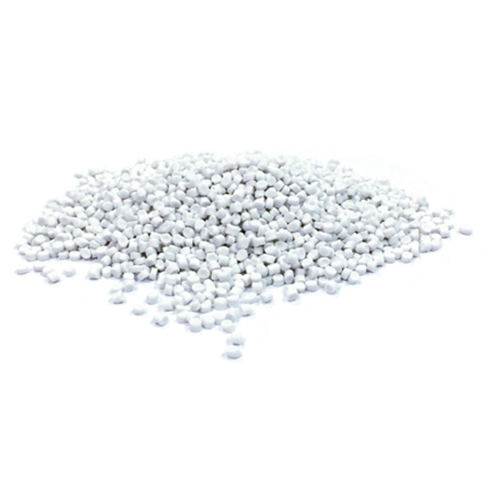
Calcium Carbonate Filler / Masterbatch
Categories : Masterbatches
Calcium Carbonate Filler / Masterbatch

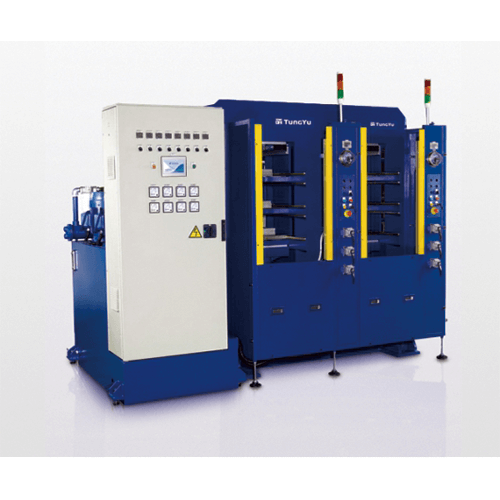
Multi-deck Cold / Hot Forming Machine
Categories : Compression Molding Machines
1. Capable of multi-layer production simultaneously to increase productivity and reduce the footprint and energy consumption. 2. Suitable for: rubber, composite parts, carbon fiber. 3. Multi-layer design with air cylinder for mold movement to increase productivity.

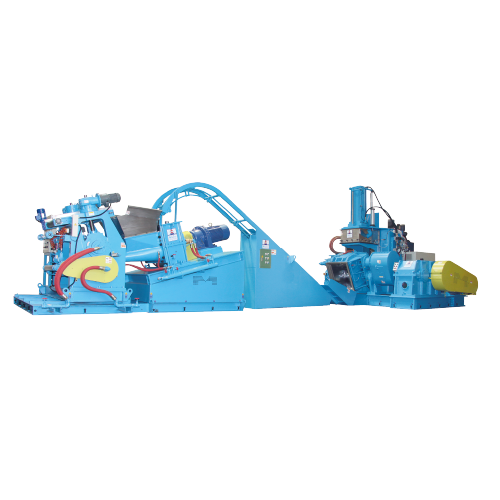
Skip Conveyor
Categories : Loading and Conveying Machines
Skip Conveyor For Various Automation Production Line To Design Match, Between Machine To Carry Compound Process.

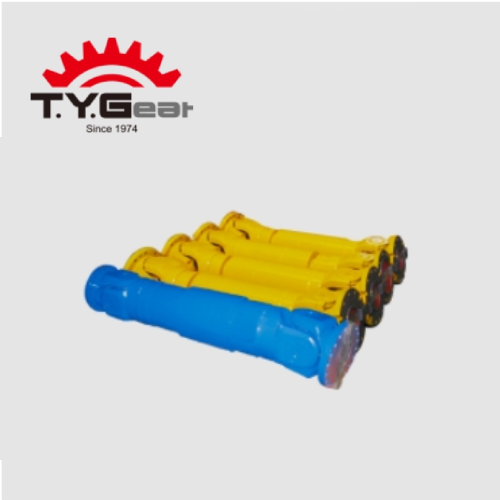
Universal Joint
Categories : Transmission, Motors & Drive Systems and Gears
(1) Angular displacement shaft up to 15 degrees (2) High loading capacity (3) Flexible length (4) Three types selection: Light load, Medium load, Heavy & Super heavy load cases of use
DOUBLE INJECTION MOLDING
Categories : Injection Molds
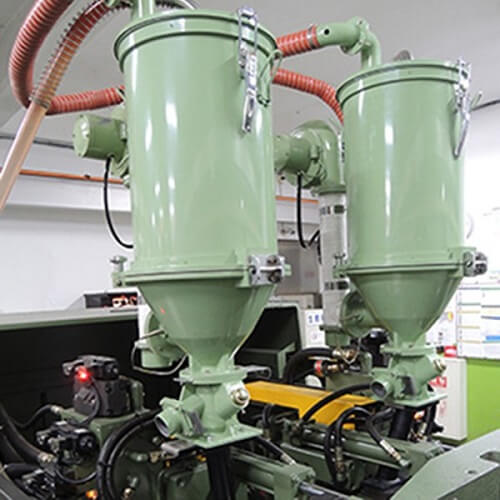
Double Injection, sometimes known as 2 material 2 shot molding or 2K molding, is an innovative manufacturing process used to produce complicated molded parts from two different materials. Through a highly specialized and automated process we carefully control the injection of multiple materials, including two different kinds of resin, into a single, multi-chambered mold. Double Injection in performed on one machine that is programmed to perform two injections in one cycle. In the first cycle, a nozzle injects plastic into a mold. The mold is then automatically rotated and a different type of plastic is injected into the mold from a second nozzle. Double Injection Molding optimizes co-polymerization of hard and soft materials to create powerful molecular bond. The result is a single part with production and feature advantages. It can be used for a variety of product designs across all industries. It also allows for molding using clear plastics, colored graphics and stylish finishes which improves your product functionality and marketplace value.
Fiber Reinforced Thermoplastic Composites
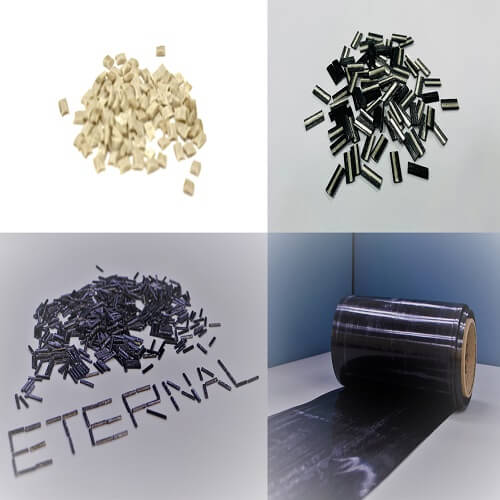
Our thermoplastic composites include SFT, LFT and UD Tape. We commit to develop the high-end thermoplastic composites with low moisture absorption, high dimensional stability and adhesive characteristic for customers. We also provide different materials for high temperature resistant according to customer needs.
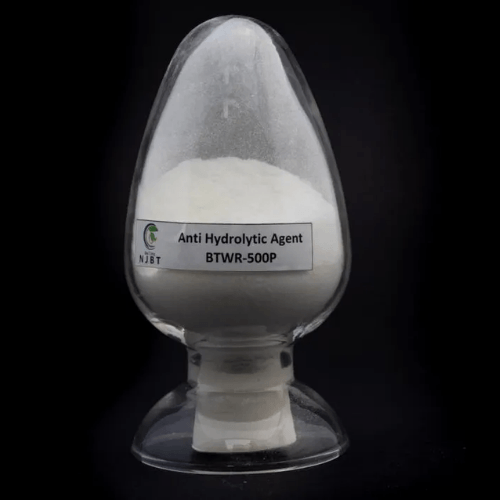
Anti-hydrolysis agent
Categories : Additives
BTCE-9013 is a polymeric epoxy functionalized chain extender. The epoxy functional groups in its structure can react with the terminal carboxyl, hydroxyl, and amino groups in long-chain resin molecules to extend the polymer chain, thereby improving the resin's mechanical properties, intrinsic viscosity, and inhibiting polymer hydrolysis. It can be used in food contact materials. BTCE-9013 is generally co-extruded with modified resins using twin-screw or single-screw extruders. The recommended dosage for bio-based and biodegradable plastics such as polybutylene adipate/terephthalate (PBAT), polylactic acid (PLA), polybutylene succinate (PBS), polymethyl ethylene carbonate (PPC), and polyhydroxyalkanoates (PHAs) is 0.2-0.8 phr. The recommended dosage for condensation-based recycled plastics such as polyamide (PA), polybutylene terephthalate (PBT), polycarbonate (PC), and polyethylene terephthalate (PET) is 0.2-1.5 phr. The specific dosage depends on the number of active functional groups in the resin and the performance requirements of the product.