


 English - EN
  繁體 - ZH-TW
  简体 - ZH-CN
  Español - ES
  日本語 - JA
  العربية - AR
  Русский - RU
  Français - FR


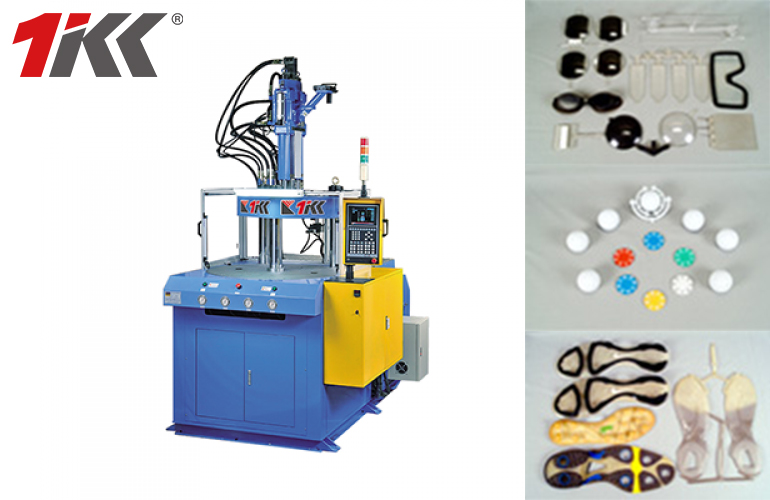
Taiwan Kinki, Automatic Planning and Design
TKC had more then 40 years in Vertcial Injection Molding Machine. In addition to dedicated to researching vertical injection machines, we are also actively expanding our global service bases. Because TKC knows that No Service No business.
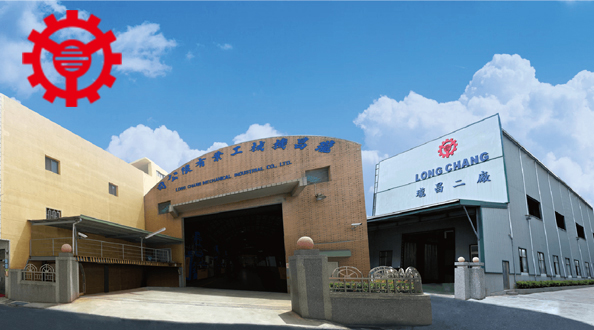
LONG CHANG- The Blue Ocean Strategy by Innovation
Long Chang Mechanical Industrial Co., Ltd. Taiwan in pursuit of breakthrough and progression boldly has been the top maker of the rubber/silicon injection molding machinery and hydraulic compression molding machine trusted by clients since the founding in 1971...

The Plastic Policy Paradox: Navigating the Clash Between Global Regulations & Industry Realities
Are global plastic policies moving forward, backward, or sideways? If you’ve been following the recent headlines in 2026, you might feel like you’re watching a high-stakes tug-of-war. On one side, regulators are pushing unprecedentedly aggressive mandates to curb plastic pollution. On the other side, the plastics industry is fighting for realistic, data-driven solutions rather than outright bans that could disrupt global supply chains.
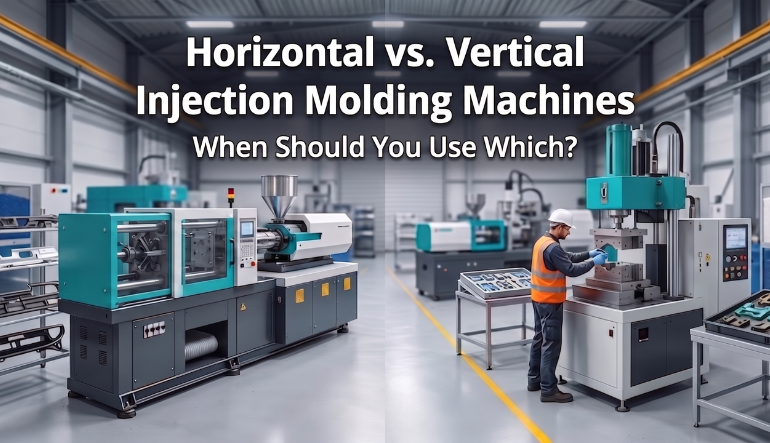
Horizontal vs. Vertical Injection Molding Machines: Which Clamp Orientation Wins Your Production Line?
That single choice — horizontal or vertical — determines what a machine can produce, how it handles automation, and how much floor space it eats up. Get it wrong and a manufacturer ends up fighting gravity, cycle time, or both. This guide breaks down what actually separates horizontal from vertical injection molding, where each one wins, and which Taiwanese manufacturers lead each category.
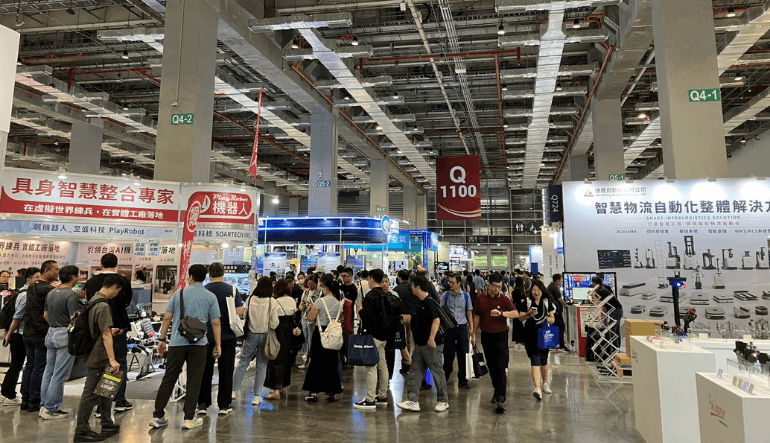
Intelligent Asia On-Site Insights: The Gap Between Foot Traffic and Buying Appetite
A walk through the Taipei Nangang Exhibition Center during Intelligent Asia—spanning TaiMold, 3D Printing Taiwan, and Automation Taiwan—revealed a crucial takeaway for the global plastics and manufacturing sector: the clearest finding: heavy foot traffic doesn't translate into actual purchase intent..
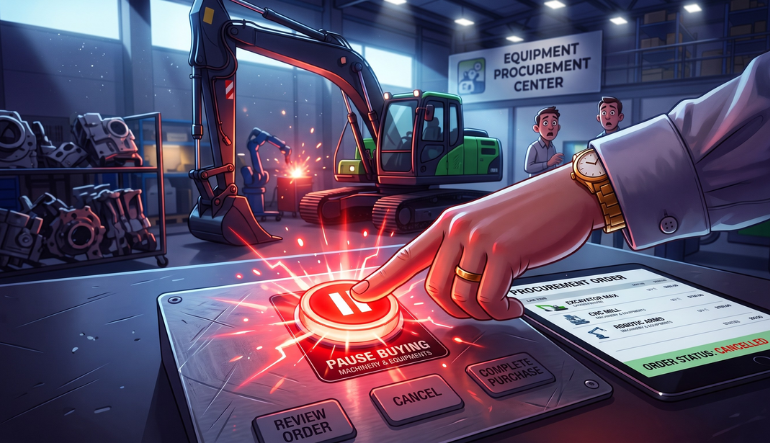
US Tariff Uncertainty Sparks "Wait-and-See" Approach in Plastics CapEx: A Turning Point for Sourcing?
The North American plastics processing industry is facing a turbulent third quarter. Following the Supreme Court's February 2026 ruling against IEEPA-based tariffs, the activation of Section 338 tariff authority against Canada, and an unresolved USMCA review, a thick fog of uncertainty has settled over the manufacturing sector.

Market Impact Analysis: China's Economy Cools to a Multi-Year Low, Adding Pressure as EU's Plastics Probe Lingers
Fresh data confirms China's economy is losing momentum faster than officials had hoped, a slowdown now compounded by a still-unresolved EU anti-dumping investigation into Chinese biodegradable plastics that Brussels opened last month.
A Brand-New Venue, and a Market That's Still Growing Into It: Field Notes from the 14th Hanoi Plastics & Rubber Show
Walking into the newly opened Vietnam Exposition Center (VEC) for the first time, my immediate impression was that the venue is almost too beautiful for where this market currently stands. The rooflines are striking, the halls are vast — and even though only two halls were in use this time, exhibitors on site told me that these two halls alone offer roughly 50% more floor space than the entire old venue.

Beyond the Subsidies: What Bangladeshi Plastics Manufacturers Are Actually Buying
As Prime Minister Tarique Rahman’s high-profile state visit to Beijing on June 26, 2026, secures 13 new bilateral agreements, a massive wave of Chinese state financing is poised to reshape Bangladesh’s industrial landscape.Yet, beneath these sweeping geopolitical headlines, local plastics and rubber manufacturers are focusing on a far more immediate reality: the looming 2026 LDC (Least Developed Country) Graduation deadline.

Our First Time at interpack: We Thought Packaging Was an Extension of the Plastics Industry — Until We Arrived and Realized They Are Two Different Worlds
Right after wrapping up PRSE in Amsterdam, we barely even had time to unpack our luggage before heading straight to Düsseldorf, Germany, early in the morning on May 7 to catch the opening day of interpack 2026. For PRM, this trip felt quite different. In the past, our team's exhibition footprint has mainly revolved around the plastics and rubber machinery industry — events like K Show, CHINAPLAS 2026, NPE, and TaipeiPLAS. As for packaging and downstream converting exhibitions, the ones we were more familiar with were Taipei Pack and swop (which has officially upgraded into interpack china this year).

From Middle East Oil to Formosan Forests: The Surprising Origins of Taiwan’s Plastic Kingdom
The global plastics market is currently navigating a period of profound uncertainty. With geopolitical instability in the Middle East—the world’s primary artery for petroleum and plastic resins—supply chains are feeling the squeeze, and prices are fluctuating wildly. This modern crisis serves as a stark reminder of how deeply the industry is tethered to oil. But what if I told you that Taiwan’s journey to becoming a global "Plastic Kingdom" didn't start with petroleum? In fact, long before the first oil refinery was built on the island, Taiwan held a dominant 70% to 80% share of the world’s supply of the earliest mass-produced plastic material. Considering Taiwan does not produce a single drop of crude oil, how did it conquer the world stage? The answer lies in a mysterious, organic raw material that predates modern synthetics: Celluloid.

Oil Crisis, Resin Shortage, and the Recycling Comeback
Q1 2026 was anything but quiet. The Iran–U.S. conflict disrupted global oil supply, sending virgin resin prices through the roof. Distributors hoarded stock. Manufacturers scrambled for raw materials. And just like K-Show 2025 foreshadowed — when chaos hits the supply chain, the world turns back to recycling. This quarter proved it once again.