

 English - EN
  繁體 - ZH-TW
  简体 - ZH-CN
  Español - ES
  日本語 - JA
  العربية - AR
  Русский - RU
  Français - FR
Intelligent Asia On-Site Insights: The Gap Between Foot Traffic and Buying Appetite
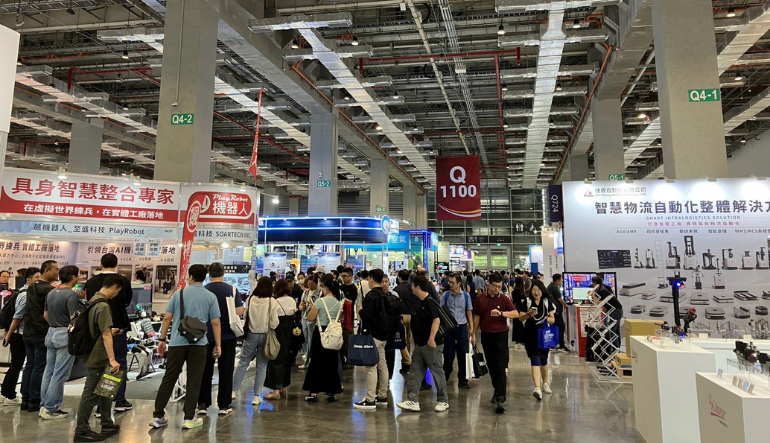
A walk through the Taipei Nangang Exhibition Center during Intelligent Asia—spanning TaiMold, 3D Printing Taiwan, and Automation Taiwan—revealed a crucial takeaway for the global plastics and manufacturing sector: the clearest finding: heavy foot traffic doesn't translate into actual purchase intent..
Layout and signage: two concrete design gaps
The organizer's pre-show figures were 1,200 exhibitors from 16 countries and regions across 4,500 booths. At that scale, the wayfinding system carries a heavy load from the start.
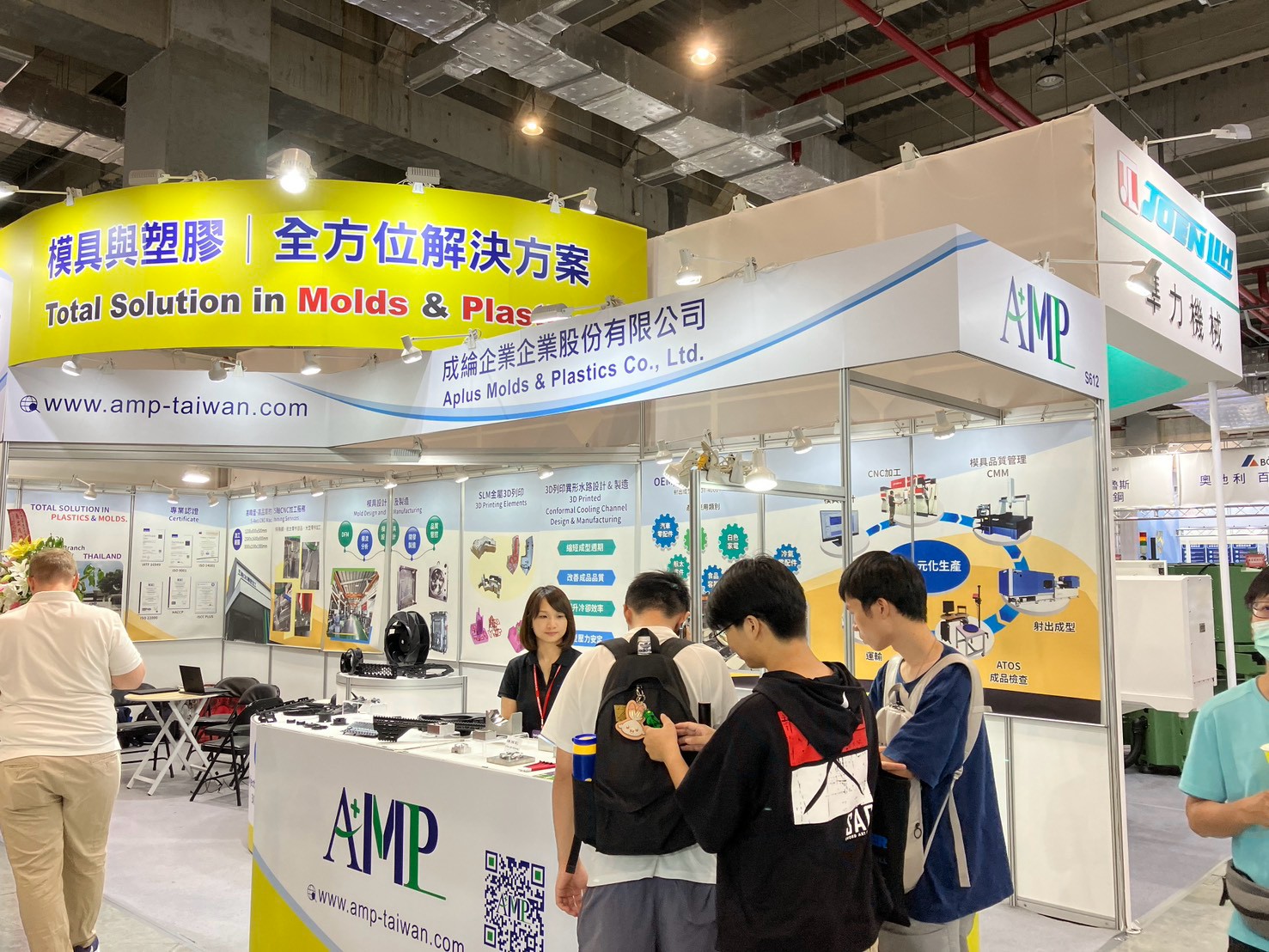
The first problem we ran into was zone legibility. The TaiMold and 3D Printing areas are adjacent in Hall 2, and walking through, some similar industry exhibitors weren't grouped in the same run of booths. Several major mold makers were positioned near the boundary between the mold and 3D printing areas, and walking that stretch, the thought did cross our minds: "is this the mold show or the 3D show?"
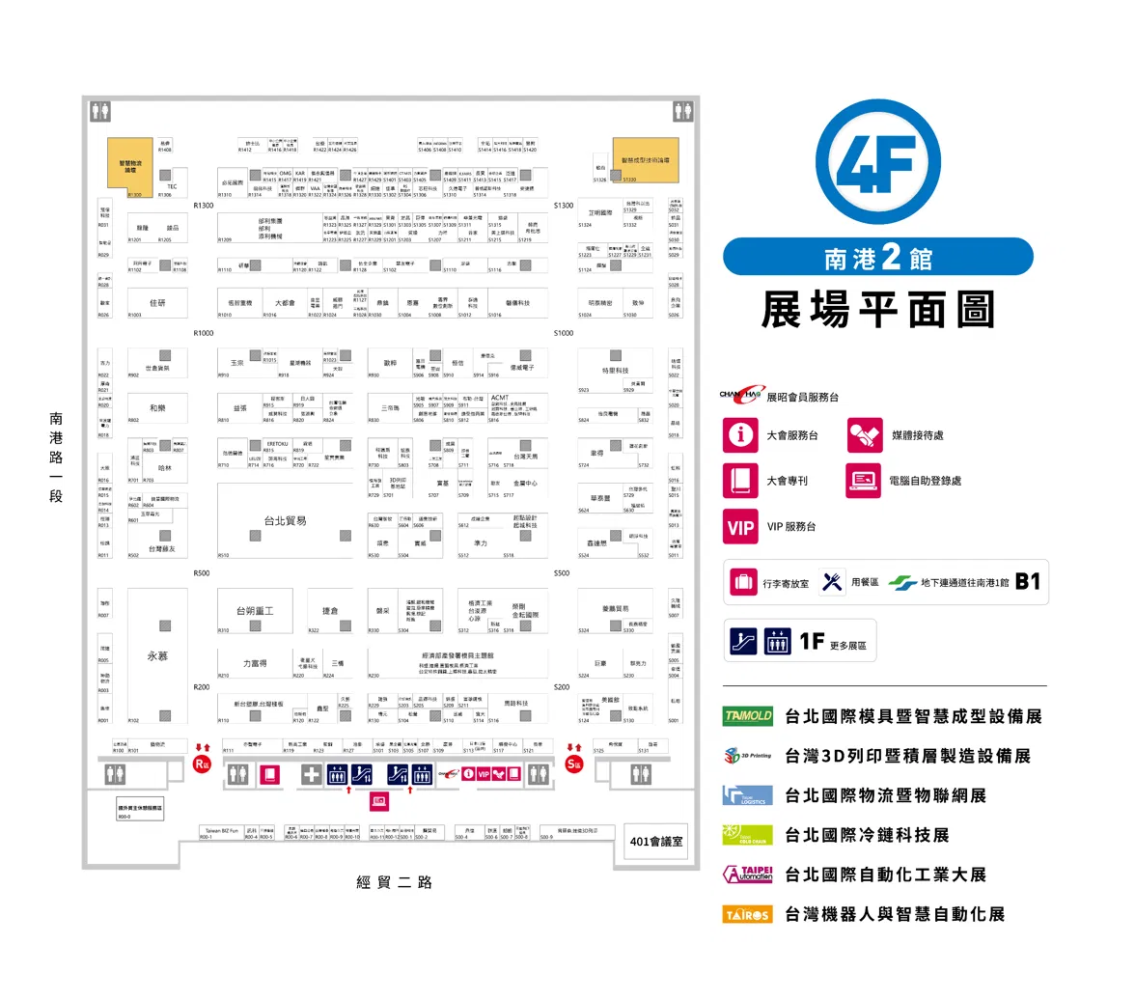
The second problem is simpler and easier to fix: the official floor plan we were given lacks color blocks and a legend separating one show from another. The whole map is a single tone, with no visual cue tying booth numbers to the exhibition they belong to. If you don't already know which segments of the R and S ranges belong to which show, the map won't help you.
Foot traffic, conversations, and orders are three different things
This is the thing we most wanted to say from this trip: foot traffic, verbal inquiries, qualified conversations, and signed orders are four separate curves — and the three halls happened to demonstrate exactly that.
We spoke with several exhibitors. While mold and automation exhibitors reported higher overall visitor counts, much of it consisted of rapid booth walkthroughs and card exchanges. Verbal inquiries at the booth were up, but whether those would turn into quotes and orders was something they had no confidence about.
Conversely, the 3D Printing zone displayed the strongest buying signals, visitors spent significantly more time inspecting operational specs.
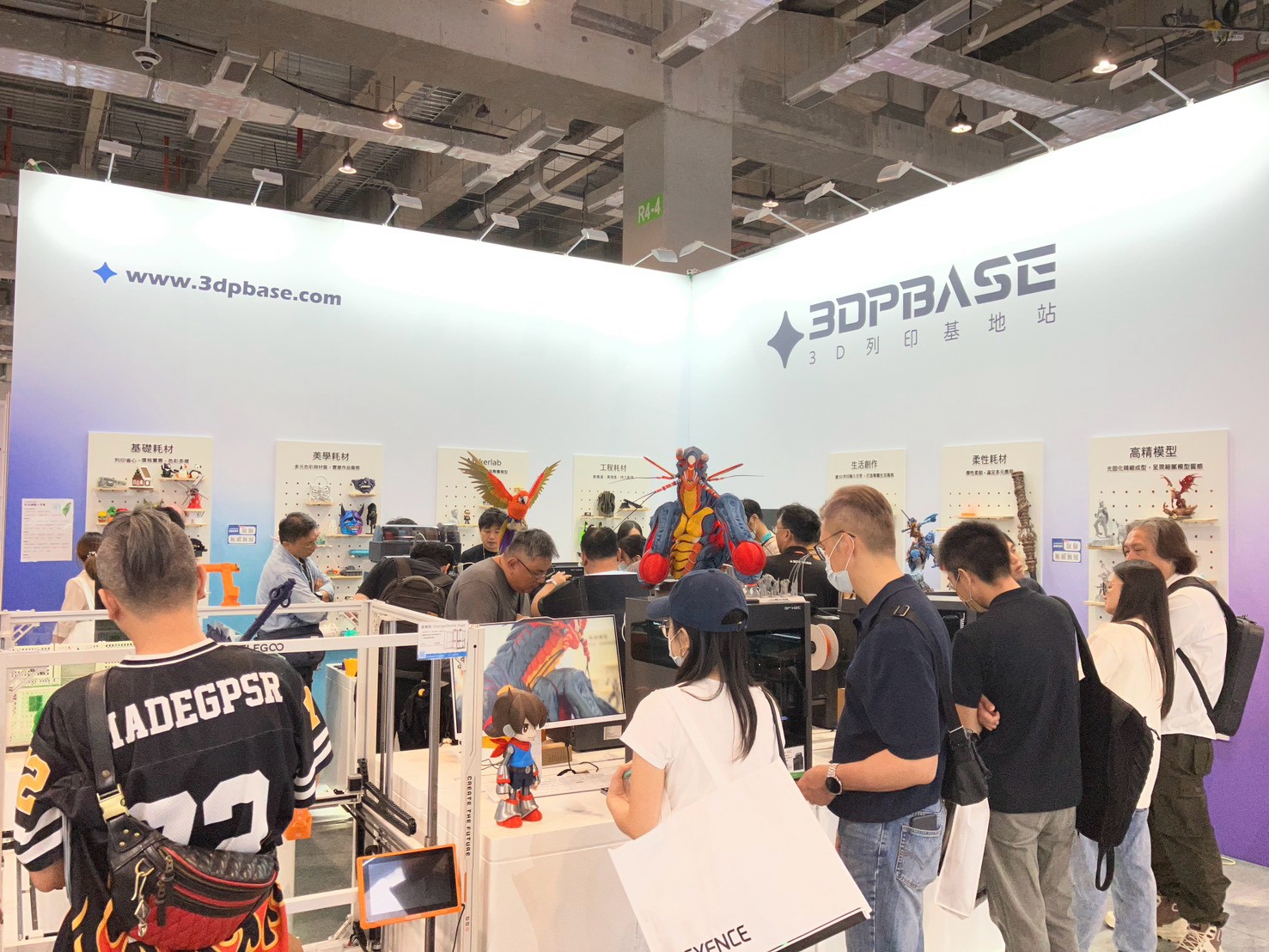
The clearest buying signal of the trip: the 3D printing hall
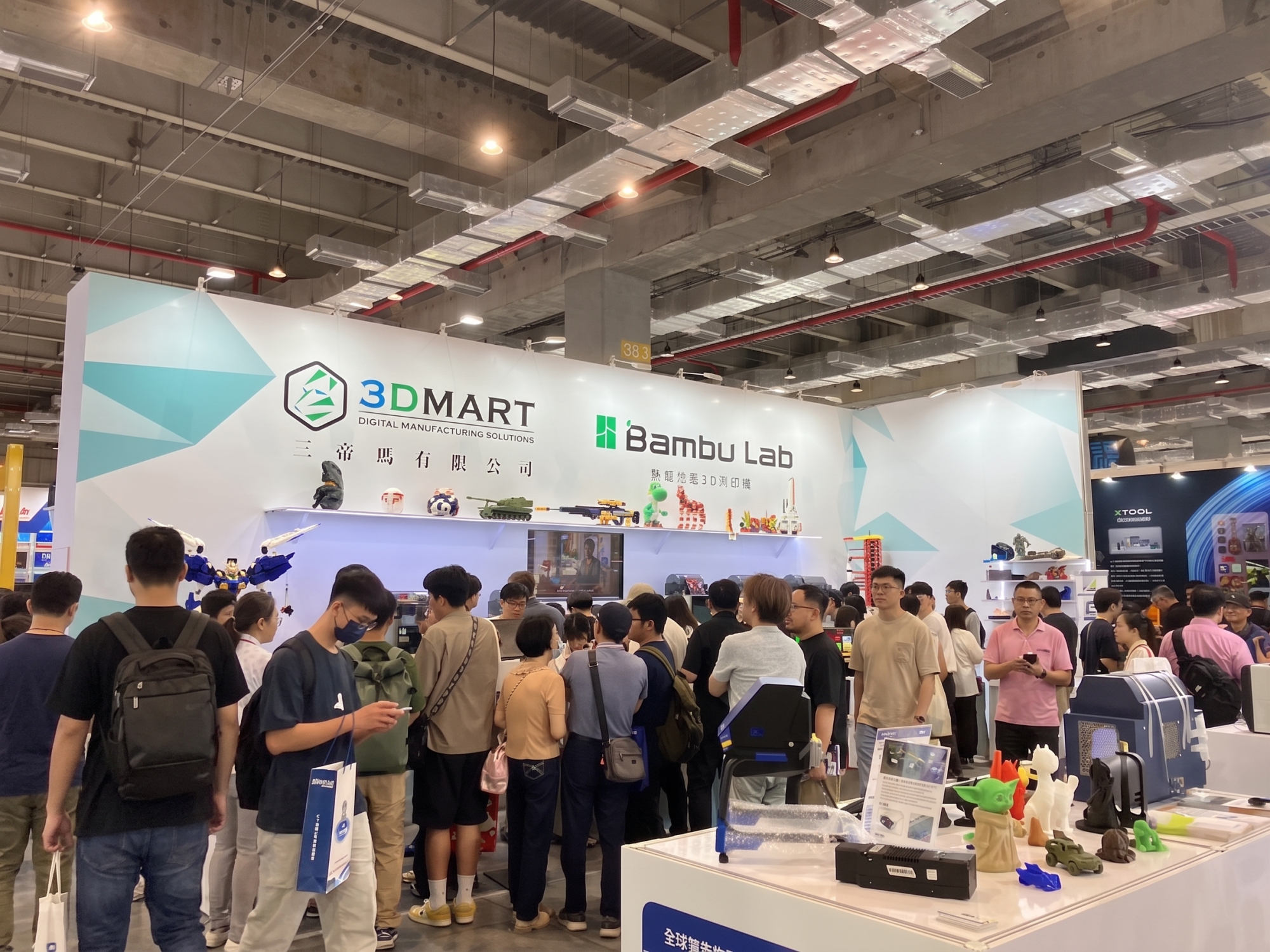
From what we walked, purchase intent in the 3D printing area was noticeably stronger than in the other shows: longer dwell times at booths, and a higher share of visitors handling equipment and asking detailed specification questions.
One 3D printing distributor's booth was almost never empty. A salesperson there told us that demand during the show had already outrun their warehouse stock, that they would have to import more, and that customers placing orders on site would be waiting one to two months.
One salesperson at one company can't support a conclusion that the whole floor was transacting, and it can't prove the other halls weren't either. What it does show is narrower: at this booth, on this day, demand was strong enough to put pressure on supply.
Materials: better-finished composites
PLA, PETG, and ABS are still the baseline. What was more visible this year were composite samples at a higher level of finish: PLA blended with powdered stone or ceramic, clearly different from plain PLA in both weight and surface feel; and flexible TPU/TPE-type materials, capable printed into erasers that felt smooth and actually erased pencil marks.
Stone- and ceramic-composite filaments aren't new and flexible, rubber-like filament is an equally mature category. What changed this year is the finish of the samples on display, not the first appearance of the technology.
Worth noting: alongside the conventional mineral fillers, we also saw a genuinely eye-catching circular-materials approach. Eco filament developed from plant waste such as spent tea leaves and coffee grounds. Materials like these give sustainability and ESG-minded brands a distinctive product story.
Main case: Everplast extending its extrusion business into large-format additive manufacturing
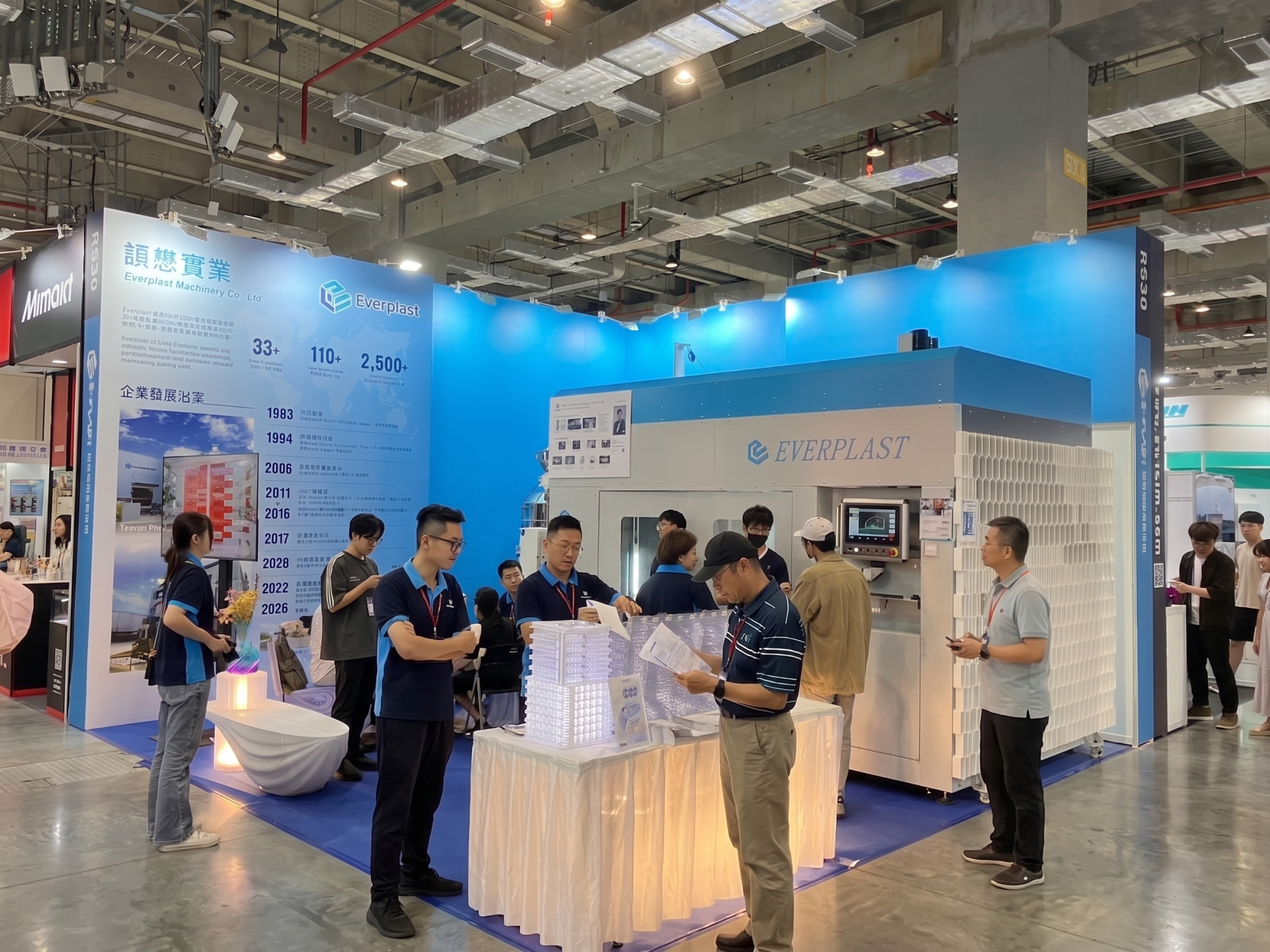
For the plastics and rubber machinery business, the booth most worth a close look belonged to Everplast. This Tainan-based company's core business is plastic extrusion machinery: profile, WPC foaming, pipe, and pelletizing lines.
What they showed in the 3D printing hall were large-format pellet-extrusion 3D printers, capable of directly printing large PETG furniture: chairs, tables, and outdoor planters. Fed directly with pellets rather than spooled filament.
A traditional plastics machinery maker looked at additive manufacturing and decided to build a new product line on its own core capability, rather than starting from scratch with someone else's technology. That means large-format 3D printing has real commercial prospects, not just hobby-level interest.
Compared with a filament system, pellet feeding skips the filament-drawing step, widens material choice, and lowers cost. At the price of a larger machine footprint and greater mechanical complexity. This case demonstrates the real commercial value of conventional extrusion technology in large-format additive manufacturing.
So what does this mean for the plastics and rubber industry?
We don't believe 3D printing will replace injection molding's dominance in volume production any time soon. The scale economics of tooling plus pellets remain solid, and nothing we saw at this show shifts that math.
What it does carve out is a different market: low-volume high-mix work, on-demand spare parts, and dedicated jigs and fixtures. When an original part has been discontinued, when specifications are unusual, or when the cost of waiting out a lead time exceeds the cost of making it yourself, 3D printing fills the gap in the conventional supply chain at lower cost and with more flexibility. Conversely, once you factor in modeling time, failed-print rates, and post-processing labor, that cost advantage doesn't hold up in a lot of situations.
From Everplast's large-scale industrial applications to flexible repairs on the production line, 3D printing is opening up an entirely new complementary business model for plastics processing.
We have over 200 of the biggest and many of the smallest Taiwanese machinery manufacturers on our site and contacts with many more. Whether you are looking for full lines such as, recycling machines extruders, blow molding machines, injection molding machines and printing machines, or auxiliary equipment and parts such as gearboxes, barrels, screws, molds, dies, control systems and virtually anything related to the plastic and rubber industries including packaging. If it’s made in Taiwan, we will find it for you!