

 English - EN
  繁體 - ZH-TW
  简体 - ZH-CN
  Español - ES
  日本語 - JA
  العربية - AR
  Русский - RU
  Français - FR

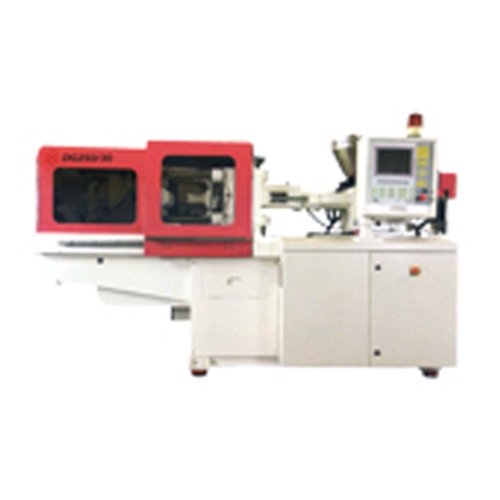
DG250 Mini Injection Molding Machine
Categories : Automatic Injection Molding Machine
1.Humanized Operation Panel 2.Aut-lubricate System 3.Injection System Adopts Precision Linear Sliding Track 4.Injection Purge Cover 5.Hopper Move-out Device

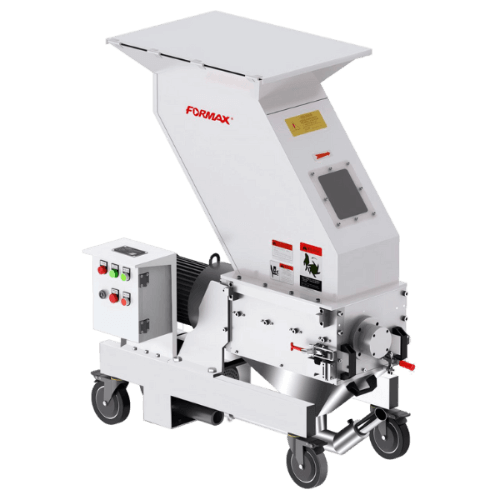
FG-M Medium Speed Crusher
Categories : Crushing, Shredding & Granulating Equipment
Rotor with a specially designed tool, the unique shape of the rotor knives ensure its remains fixed after regrinding cutting interval, do not need to adjust the tool through a complicated process, thereby reducing the disassembly tool downtime. Rotor supported on two bearings,while the width of the rotor shaft according to the largest design, making it possible to shred massive objects. In addition, the ladder shaped rotor blade design allows the cutting tool, thereby increasing the cutting torque, with ladder shaped rotor arranged in V-shaped, so that it can be caught in the shredding room central broken material, this feature prevents the material posted on the wall in shredding room, while greatly increasing the shredding chamber wall in processing of glass fiber reinforced plastic products and when the wear resistance.

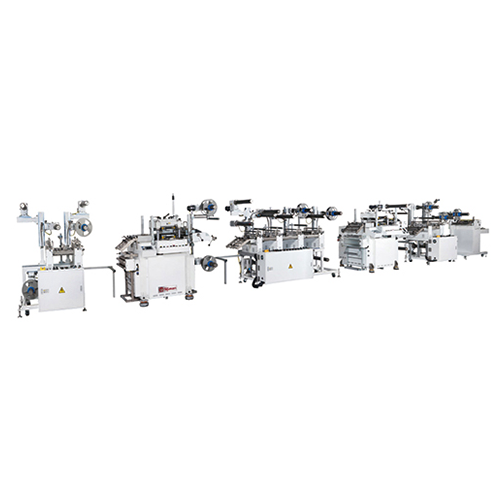
High-accuracy Compact Auto-Cutting Production Line-APL-300
Categories : Cutting Machines
●Servo Cutting Mechanism: The Main Cutting Axle is controlled by Servomotor to achieve high-efficiency and high-accuracy effects. ●Auto Feed Mechanism: It is controlled by High-level Servo to achieve faster feeding speed and more accurate alignment. ●On-line with Multi-axle Auto Bonding Machine: It is communicating with RAL-400 High-accuracy Auto Bonding Machine for carrying out synchronized operation. ●On-line with Auto Slicer: It is communicated with AC-300 Compact Slicer for carrying out slicing operation. ●Secondary Processing Correspondence: It corresponds with the alignment cutting operation between two stations.


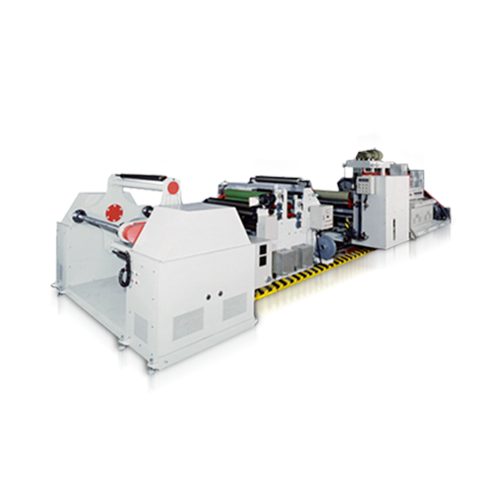
Sheet Extruding Machines - HC-100PET
The traits of PET include transparency, brightness, strongest strength and tenacity, as well as an environmental material replacement for PVC.

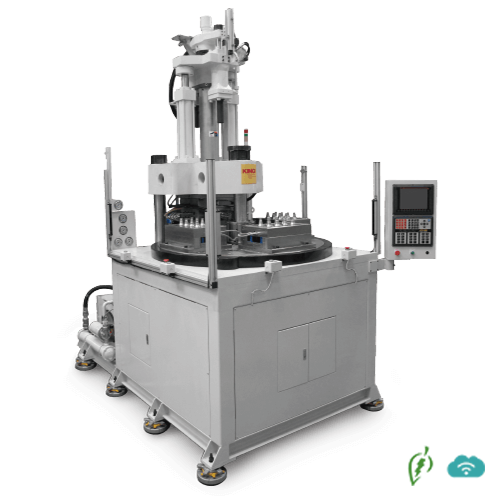
Vertical 3-TIE BAR Rotary Injection Machine
Categories : Vertical Injection Molding Machines
Vertical direct hydraulic clamping system is designed for accurate, safe operation, especially suitable for insert molding. With double slide table or rotary design, put-in, take-out products and molding finish at the same time, which is more safe and efficient for production , then reduce the cost of production.


Vinyl Ester Resin
Categories : TS (Thermoset Resin)
Vinyl Ester resin is produced from the esterificated of an epoxy resin with a methacrylic acid, and the reacted product is then dissolved in styrene monomer. Vinyl ester resin have got both advantages of unsaturated polyester resin and epoxy resin, including excellence corrosion resistance of most acidic and alkali chemicals ; more strength and mechanical properties; superior operability and environmental durability.

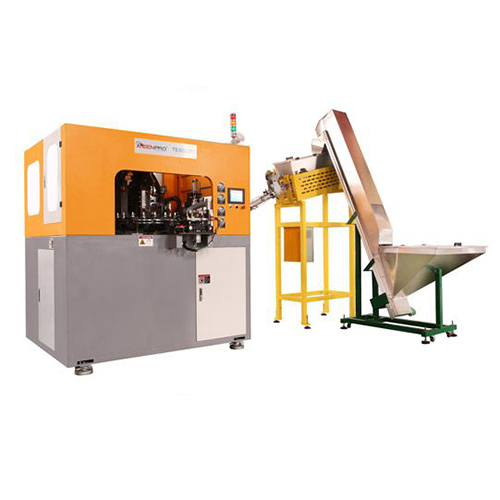
PET Stretch Blow Molding Machine - Preferential Heating For Flat Containers (EX Series)
Categories : Automatic Blow Molding Machines
PET STRETCH BLOW MOLDING MACHINE - PREFERENTIAL HEATING FOR FLAT CONTAINERS (EX SERIES)
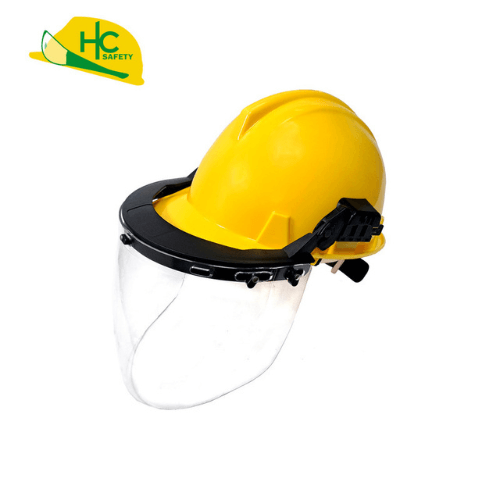
Safety Helmet Face Shield-H804
Categories : Industrial Parts & Safety Gear
Clear visor can be lifted up Lightweight PP and ABS shell " PE" Suspension for shock absorbing and prevents water from dripping down to the neck. Chin strap available at additional cost Available visor sizes: 8.125" x 15.75" Private labelling available

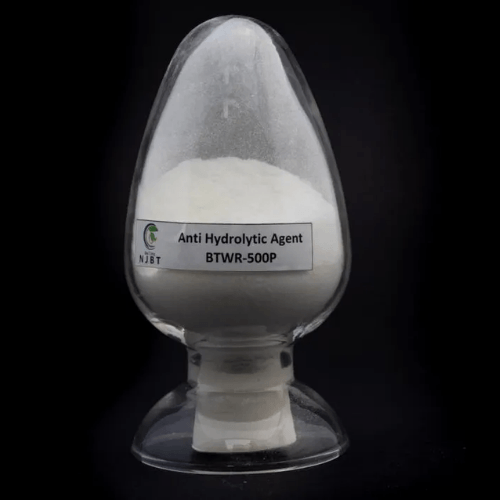
Anti-hydrolysis agent
Categories : Additives
BTCE-9013 is a polymeric epoxy functionalized chain extender. The epoxy functional groups in its structure can react with the terminal carboxyl, hydroxyl, and amino groups in long-chain resin molecules to extend the polymer chain, thereby improving the resin's mechanical properties, intrinsic viscosity, and inhibiting polymer hydrolysis. It can be used in food contact materials. BTCE-9013 is generally co-extruded with modified resins using twin-screw or single-screw extruders. The recommended dosage for bio-based and biodegradable plastics such as polybutylene adipate/terephthalate (PBAT), polylactic acid (PLA), polybutylene succinate (PBS), polymethyl ethylene carbonate (PPC), and polyhydroxyalkanoates (PHAs) is 0.2-0.8 phr. The recommended dosage for condensation-based recycled plastics such as polyamide (PA), polybutylene terephthalate (PBT), polycarbonate (PC), and polyethylene terephthalate (PET) is 0.2-1.5 phr. The specific dosage depends on the number of active functional groups in the resin and the performance requirements of the product.