

 English - EN
  繁體 - ZH-TW
  简体 - ZH-CN
  Español - ES
  日本語 - JA
  العربية - AR
  Русский - RU
  Français - FR
The Silicon Photonics Supply Chain Is Taking Shape: Where Precision Injection Molders Fit In
Silicon photonics and Co-Packaged Optics (CPO) enter their market adoption phase from 2026 — and the resulting demand extends well beyond semiconductor chips themselves. Fiber-optic connectors, optical transceiver housings, and precision structural components are driving a parallel surge in demand for high-precision plastic parts. For precision injection molders, the key to entering this supply chain lies not in manufacturing capability, which most already possess, but in whether their production equipment and process systems can pass the supplier qualification audits of high-tech customers. This article examines the opportunity from three angles: market trends, entry strategy, and the equipment response.
How Silicon Photonics Connects to Precision Plastic Components
Silicon photonics is the technology of transmitting data between chips using light instead of electrical signals, designed to overcome the bandwidth and power-consumption limits of copper interconnects as AI computing demand explodes. With generative AI pushing data center computing requirements up roughly tenfold every four years, silicon photonics has become a shared strategic priority for leading semiconductor and optical communications companies worldwide. Industry forecasts place 2026 as the pilot phase for CPO adoption in 51.2T switches, with double-digit market penetration expected after 2028.
The high level of integration in CPO modules means their periphery requires large volumes of high-precision plastic components: fiber-optic connector assemblies (including MT ferrule peripherals), optical transceiver housings, and light-guiding and fixturing structural parts. These components share three characteristics — low part weight, tight tolerances, and demanding customer audit standards. On the materials side, optical-grade polymers such as COC, COP, and PC dominate, alongside engineering polymers such as LCP and PPS prized for their high-temperature resistance and high-frequency performance, while certain advanced carriers and structural parts involve precision molding of specialty polymers such as PEEK and PEI. While market attention concentrates on wafer fabrication, the "precision plastics layer" of the supply chain is where small and mid-sized injection molders have a realistic and immediate opportunity.
Two Tiers of the Supply Chain: Micro-Optics vs. Standard Precision Parts
Any entry strategy must first distinguish between two technically distinct tiers within the silicon photonics supply chain.
The first tier is micro-injection molding for micro-optics — microlens arrays and optical waveguide components with part weights as low as 0.004 grams and tolerances measured in microns or even nanometers, requiring nano-grade mold inserts, optical-axis decentration control, and non-contact optical metrology. ARBURG is among the few machine manufacturers worldwide offering complete micro-injection molding solutions. However, the technical and capital barriers of this tier are substantial, and it is not the appropriate starting point for most molders.
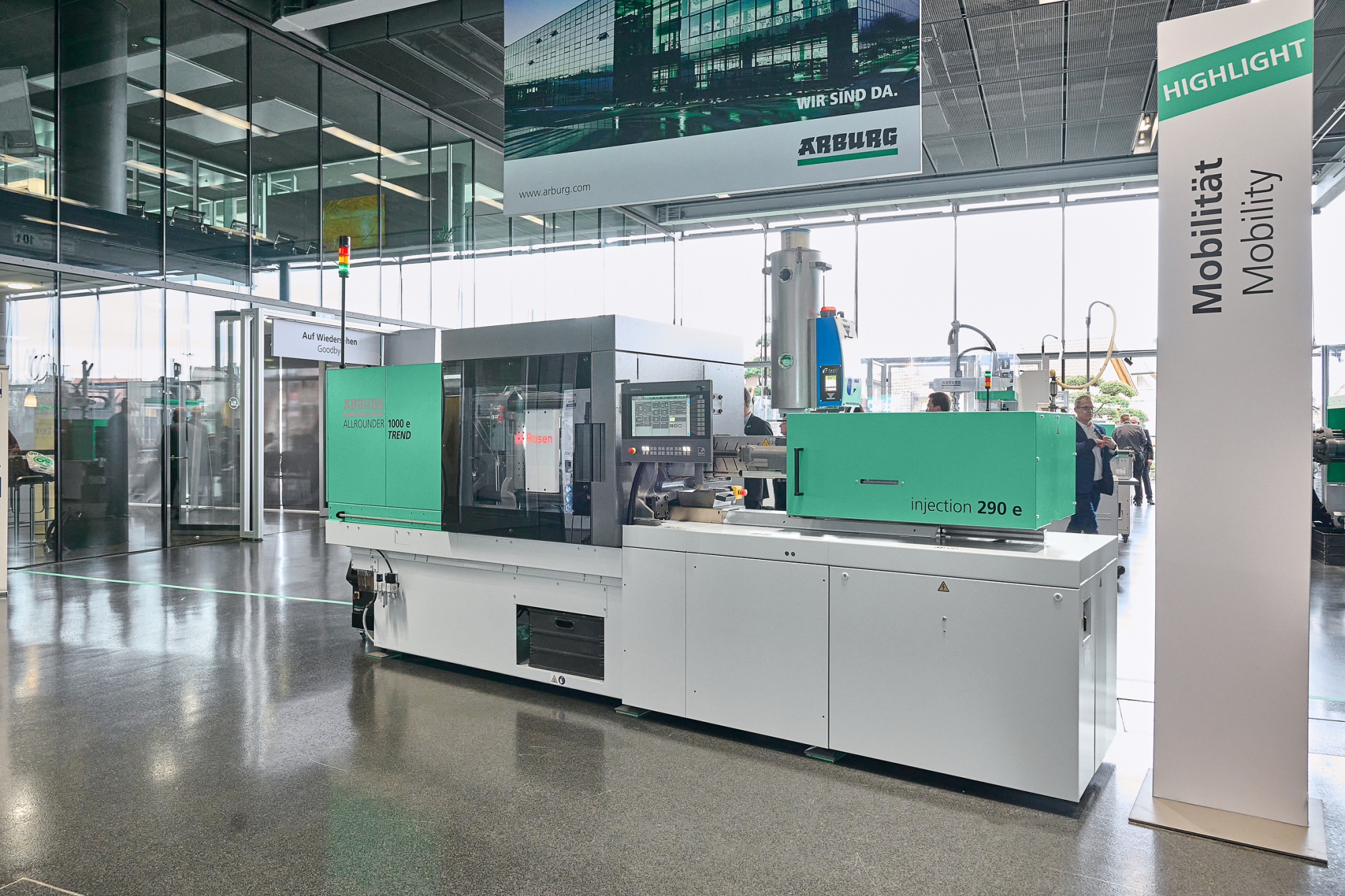
The second tier is the standard precision parts market: the connectors, housings, and structural components described above. Demand in this tier is high in volume, orders are already materializing, and the technical requirement is high-repeatability precision molding — a capability that overlaps strongly with the expertise molders have built over years in consumer electronics and automotive components. For most injection molders, this tier represents the most practical near-term entry path — provided their production systems can pass supplier qualification.
Three Qualification Hurdles Facing Conventional Molding Operations
● Hurdle one: process knowledge resides in individual experience rather than traceable systems.
Precision manufacturers across the industry face a widening skills gap — setup parameters and troubleshooting know-how live with senior technicians and are rarely systematized. High-tech customers require process parameters to be recorded, repeatable, and traceable during qualification; production models dependent on individual expertise rarely pass review.
● Hurdle two: hydraulic equipment struggles to meet cleanliness and ESG audit requirements.
Semiconductor and optical communications customers are raising environmental standards for suppliers year over year. Hydraulic oil mist, mechanical particulates, and high energy consumption are all audit deductions; in practice, molders with competitive pricing are frequently eliminated at the factory audit stage.
● Hurdle three: long qualification cycles make capital investment decisions difficult.
High-end injection molding machines represent a major capital commitment, while supplier qualification for high-tech orders takes time and initial volumes are limited. The risk of investing in flagship equipment for orders not yet secured leads many companies to wait — and miss the window.
ARBURG ALLROUNDER TREND: An Equipment Response to the Qualification Barrier
The ALLROUNDER TREND is ARBURG's all-electric injection molding machine series, unveiled globally at K 2025 and available for worldwide delivery from spring 2026. Its positioning is precise: ARBURG-grade precision and stability at an entry-level investment threshold, designed for standard precision applications. Its design responds directly to the three hurdles above.
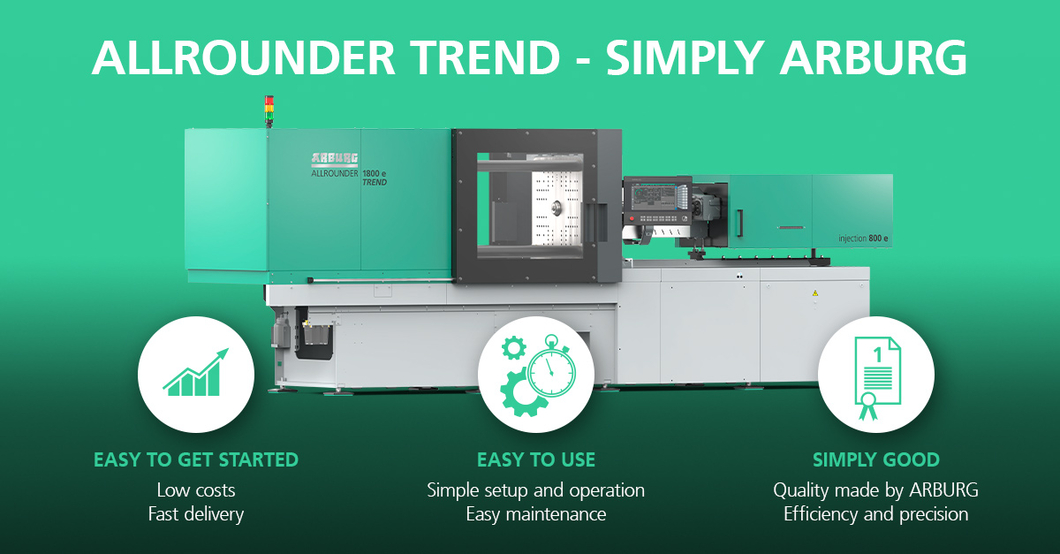
Process standardization: the Gestica lite control system.
The TREND series features the new Gestica lite operating interface with built-in video tutorials, e-learning, and remote support, enabling operators without specialist experience to achieve proficiency quickly. For factories facing the skills gap, this converts setup knowledge from personal experience into standardized, system-embedded procedures — process parameters become fully recordable and repeatable, directly addressing the traceability requirements of supplier qualification.
Cleanliness and energy efficiency: an all-electric drive architecture.
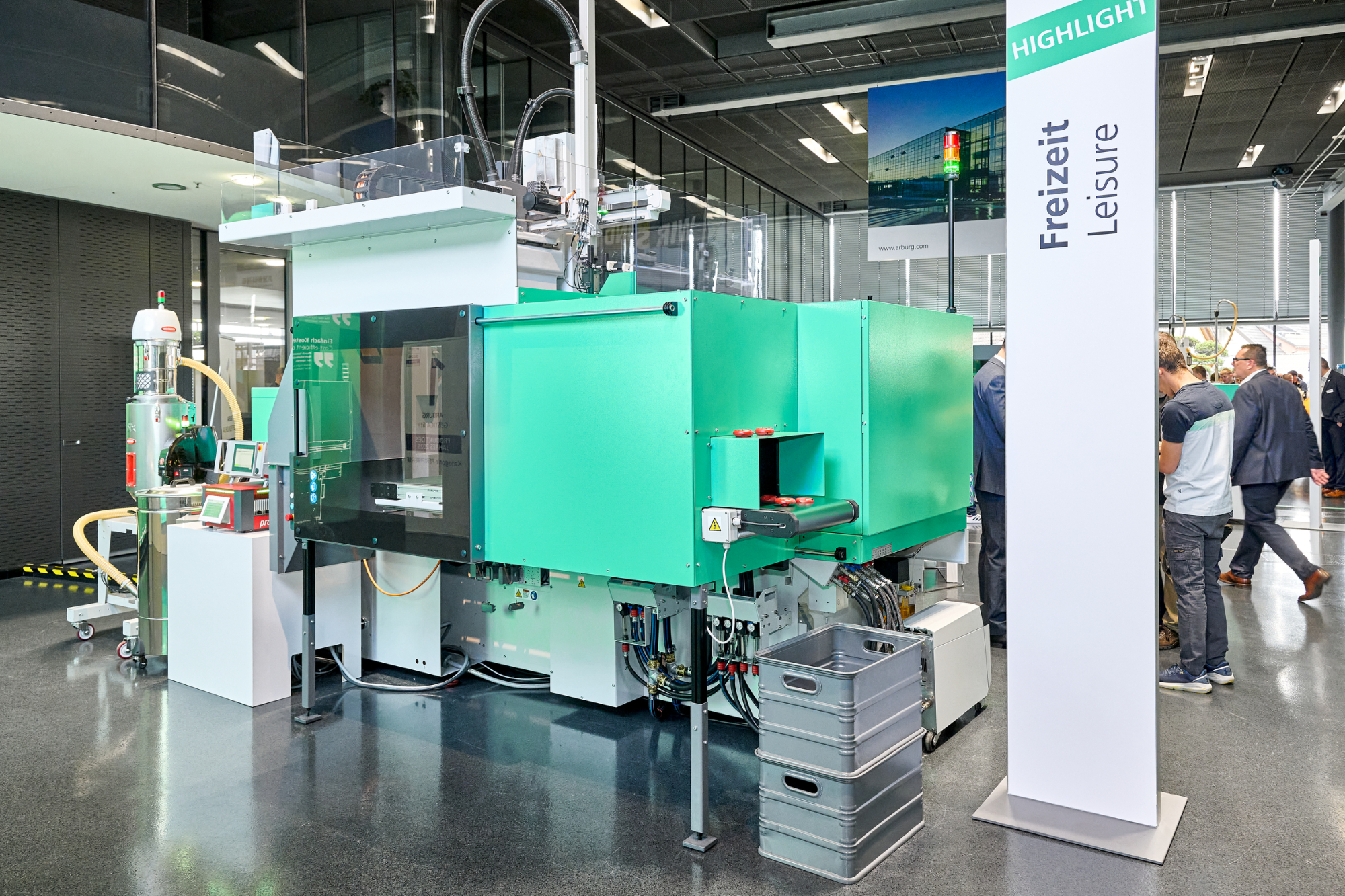
The entire TREND series uses all-electric drives, eliminating hydraulic oil mist at the source, while high-efficiency servo motors and braking energy recovery deliver significantly lower energy consumption than hydraulic machines. The series comprises four machine sizes with clamping forces from 500 to 2,000 kN, injection units from size 100 to 800, and injection speeds of 200 to 500 mm/s — a range that covers the mainstream specifications of optical communication connectors and precision housings. Notably, one of the TREND's demonstration applications at K 2025 was automated production of electronic connectors, with straightforward integration of robotics and peripheral automation.
Investment flexibility: an entry-level threshold and a tiered upgrade path.
With its streamlined standard configuration, the TREND lowers the initial investment barrier, allowing molders to secure "all-electric plus traceable process" qualification credentials with a smaller capital commitment. Furthermore, ARBURG's product range extends from the TREND through high-end machines to dedicated micro-injection molding solutions, enabling companies to scale equipment investment in stages as order volumes and technical requirements grow.
Conclusion: Volume Arrives in 2028 — the Qualification Window Is Now
Double-digit CPO market penetration is forecast for after 2028, which may suggest ample lead time. However, supplier qualification in high-tech supply chains typically requires 12 to 18 months. Working backward, molders aiming to capture volume orders in 2028 face an equipment and process upgrade window that is open now.
The manufacturing strength of precision injection molders has never been in question. The current challenge is making that strength visible and verifiable to international customers: process records they can examine, quality systems they can trust, and factory audits they can pass. An all-electric machine with full process traceability is the lowest-risk first step on that path.
If you are evaluating whether your product lines can enter the optical communications precision components market, contact the ARBURG Taiwan team through the inquiry form below. We will provide a tailored technical assessment of machine configuration and process upgrades based on your current products and target customers.
Frequently Asked Questions (recommended for publication with FAQ Schema)
Q1: Can injection molders without a semiconductor or optical communications background enter the silicon photonics supply chain?
Yes. The recommended entry point is the standard precision parts tier — connectors, module housings, and structural components — rather than micro-optical elements. These products require high-repeatability precision molding, a capability that overlaps strongly with consumer electronics precision parts manufacturing, making it the most practical starting point.
Q2: How does the ALLROUNDER TREND differ from ARBURG's high-end machine series?
The TREND is ARBURG's economical all-electric series introduced in 2025, targeting standard precision applications with the Gestica lite control system and a streamlined configuration that lowers investment and operating barriers. High-end series such as the ALLROUNDER A address specialized processes including cleanroom production and micro-injection molding. Both share ARBURG's electric drive technology and global service network.
Q3: What are the advantages of all-electric injection molding machines over hydraulic machines?
Three main advantages: no hydraulic oil mist, which supports cleanliness audits; high servo-drive repeatability, which supports process qualification; and lower energy consumption, which meets ESG requirements and reduces operating costs. For factories targeting high-tech customers, all-electric equipment has become a near-mandatory baseline in supplier audits.
Q4: If we later move into higher-end applications such as micro-optics, will the equipment need to be replaced entirely?
No. ARBURG's product range extends from the TREND through high-end electric machines to dedicated micro-injection molding solutions, sharing a common control philosophy and global service network. Companies can upgrade equipment in stages as order volumes and technical requirements grow, while retaining their accumulated operating experience and process data. For detailed upgrade planning, contact the ARBURG Taiwan team for an assessment.

ARBURG GmbH + Co KG is a global leader in injection moulding and additive manufacturing solutions. Headquartered in Lossburg, Germany, ARBURG has been pioneering plastics processing technology since 1923 and established ARBURG Taiwan subsidiary since 2016. The company offers a wide range of ALLROUNDER injection molding machines, additive manufacturing systems, and automation solutions, serving industries such as automotive, medical, packaging, electronics, and consumer goods. ARBURG is committed to efficiency, digitalization, and sustainability, actively driving Industry 4.0 and circular economy initiatives. Its advanced technologies help customers optimize production, reduce waste, and enhance energy efficiency. With a global presence, including subsidiaries and partners worldwide, ARBURG provides comprehensive service, technical support, and training to ensure customer success.