

 English - EN
  繁體 - ZH-TW
  简体 - ZH-CN
  Español - ES
  日本語 - JA
  العربية - AR
  Русский - RU
  Français - FR
Navigating the Ripple Effect: Circular Resilience Amidst Global Energy & Market Volatility
As the global plastics industry moves through the second quarter of 2026, the landscape is being reshaped by a complex war between geopolitical instability and rapid technological evolution. While external pressures on the oil market persist, the industry is finding its footing through an intensified focus on the "Power of Recycling" and technological breakthroughs in chemical and biological processing.
The Oil Factor: Geopolitics and the Plastic Market
Throughout April 2026, the Middle East's political climate has remained a central concern for manufacturers. The ongoing instability has injected significant volatility into global oil prices, directly impacting the cost of virgin resins. For plastic converters and buyers, this has highlighted the vulnerability of relying solely on fossil-based feedstocks.
This market tension is accelerating the shift toward Circular Economy models, not just as a CSR goal, but as a strategic hedge against fluctuating raw material costs and supply chain disruptions.
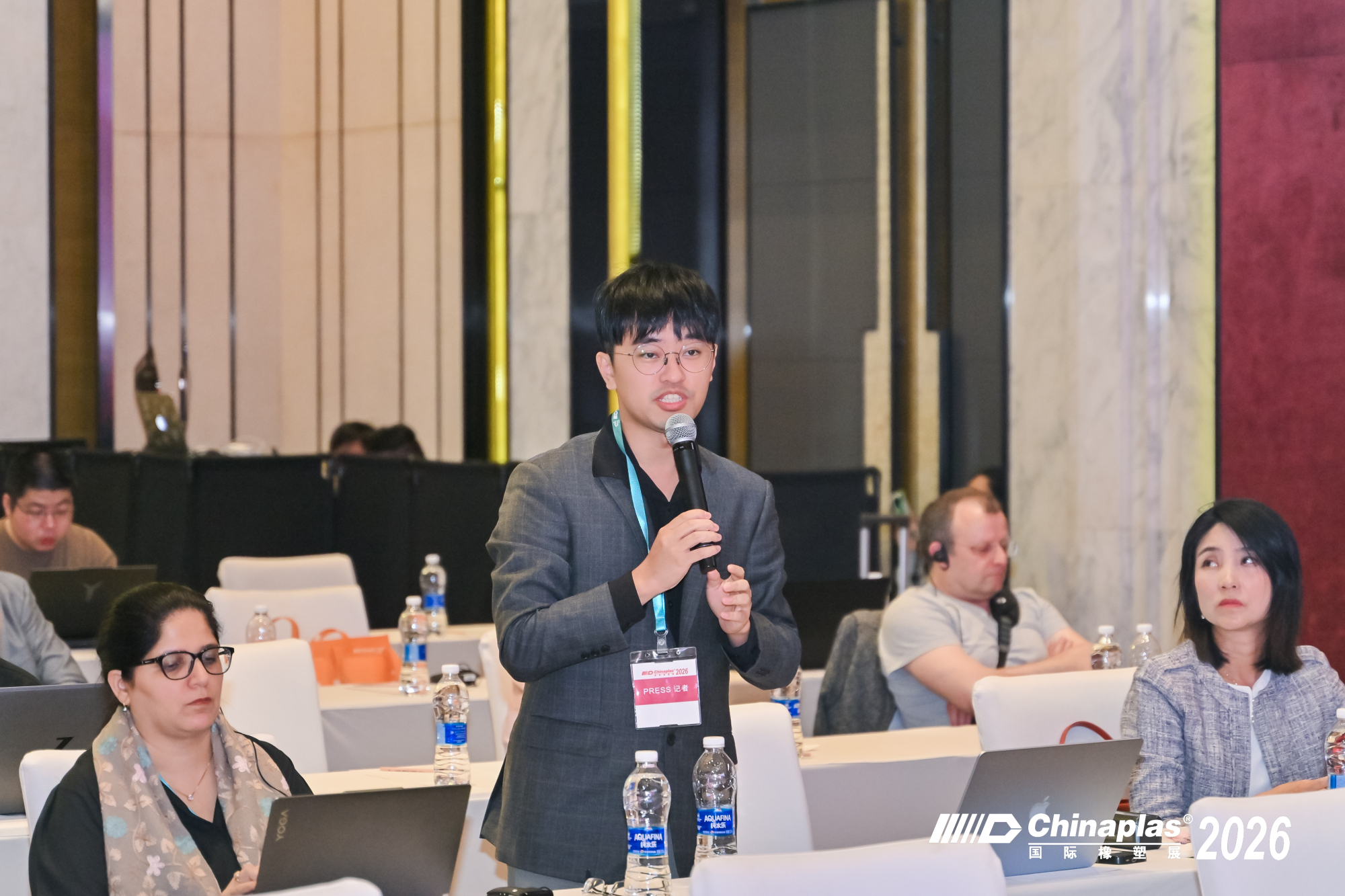
Photo: Adsale Chinaplas 2026.
The Core Mandate: Why Recycling is the New Currency
Industry conferences this month, including the high-profile sessions by CPRJ, have sent a clear message: Recycling is no longer a niche sector—it is the industry's engine. The emphasis has shifted from "simple collection" to "high-value recovery." As global regulations tighten, particularly regarding carbon footprints and material traceability, the ability to reintegrate high-quality recycled content into production lines has become a primary competitive advantage for global suppliers.
April’s Technological Breakthroughs to Watch
While the macro-environment remains challenging, April has delivered three critical innovations that offer a roadmap for future-proofing production:
The Infinite PMMA Loop: Redefining Acrylic Circularity
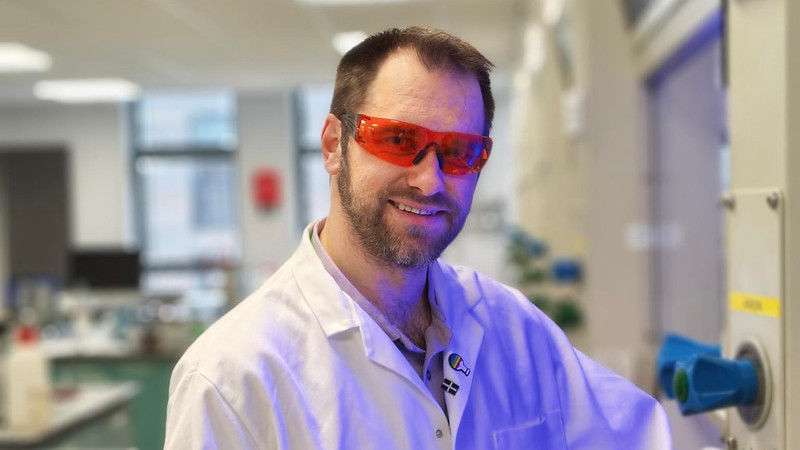
Dr Jon Husband that led the research. Photo: University of Bath.
The University of Bath has disrupted the traditional view of acrylic recycling with its pioneering low-temperature chemical recycling method. Operating between $120°C and $180°C, this process effectively breaks down PMMA (PolyMethyl Methacrylate) into its original monomer form without the thermal degradation typical of traditional mechanical recycling. It allows high-clarity applications—such as high-end display screens and precision medical devices—to utilize recycled content without sacrificing optical purity or structural integrity. By enabling a truly "closed-loop" system, this technology ensures that the high value of acrylic is preserved through infinite cycles, drastically reducing the reliance on virgin petroleum-based monomers.
The PFAS-Free Race: Navigating the 2026 Regulatory Deadline
The industry is currently at a critical tipping point as the EU’s August 2026 ban on PFAS (Per- and Polyfluoroalkyl Substances) approaches. Known as "forever chemicals," PFAS have long been the industry standard for processing aids (PPA) to eliminate melt fracture and reduce buildup. However, the race for PFAS-free alternatives has reached a new level of maturity this month. Leading suppliers are now showcasing a new generation of "Fluoro-free" additives that mirror the performance of traditional chemicals. These innovations maintain high-speed production and superior surface finishes while ensuring compliance for the European market.
Enzymatic Polyurethane (PU) Recovery: A Bio-Catalytic Revolution
Polyurethane has historically been one of the most challenging materials to recycle due to its complex chemical structure, often ending up in landfills or incinerators. This landscape has been transformed by the perfection of the Aes72 enzyme variant, a bio-catalytic breakthrough that specifically targets and degrades industrial-grade PU waste. This advancement marks a massive victory for the automotive and furniture sectors, where PU foam is used extensively in seating and insulation.
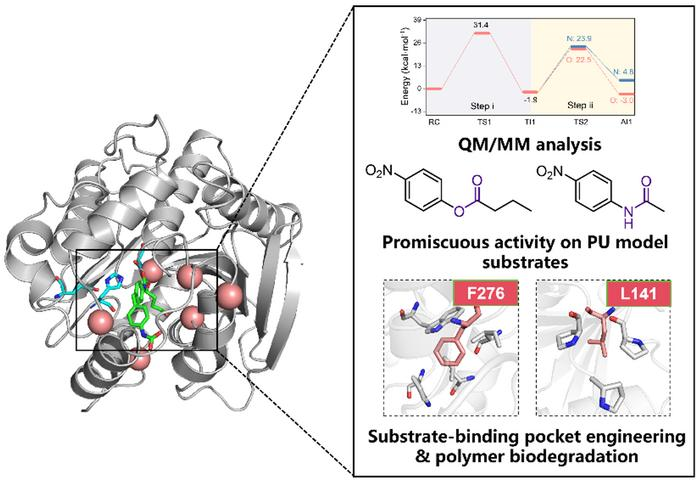
Mechanistic insights into urethane bond hydrolysis by esterase Aes72 and protein engineering. Photo: Jiawei Liu et al.
By utilizing these specialized enzymes, waste that was previously considered "un-recyclable" can now be broken down efficiently at lower energy levels. This enzymatic approach offers a "third way" of recycling—sitting alongside mechanical and chemical methods—to provide a highly efficient, nature-inspired solution for one of the industry's most persistent waste problems.
In this era of rapid change, staying connected to reliable technology partners is vital. PRM-Taiwan continues to bridge the gap by connecting global buyers with suppliers who specialize in these exact transitions—from energy-efficient machinery to systems capable of handling the next generation of recycled polymers.
Source:
- University of Bath: Breakthrough offers endless recycling for acrylic plastics without the environmental cost
- The Microbiologist: Engineered enzyme breakthrough offers sustainable solution for polyurethane plastic recycling
- IISD: Plastic Pollution Treaty Chair Outlines “Methodology to Make Progress”
- COSlaw.eu: EU PPWR: new EU Packaging Regulation from August 2026
We have over 200 of the biggest and many of the smallest Taiwanese machinery manufacturers on our site and contacts with many more. Whether you are looking for full lines such as, recycling machines extruders, blow molding machines, injection molding machines and printing machines, or auxiliary equipment and parts such as gearboxes, barrels, screws, molds, dies, control systems and virtually anything related to the plastic and rubber industries including packaging. If it’s made in Taiwan, we will find it for you!