


 English - EN
  繁體 - ZH-TW
  简体 - ZH-CN
  Español - ES
  日本語 - JA
  العربية - AR
  Русский - RU
  Français - FR
LATEST UPDATE Subscribe Now

The Ground Game: How Advanced Polymers are Revolutionizing World Cup Pitches and Boots
As the 2026 World Cup fever takes over North America, millions of fans are glued to their screens watching breathtaking goals, lightning-fast sprints, and jaw-dropping footwork. But while the cameras focus on the superstars, industry insiders know a secret: the real magic is happening right beneath their feet. Modern football is no longer just a test of human athleticism; it is a showcase of cutting-edge polymer engineering. From the grass the players run on to the ultra-light boots they wear, the plastics and rubber industry is the unsung hero of the beautiful game. Let’s dive into the "Ground Game" and unpack the advanced materials powering this year’s tournament.
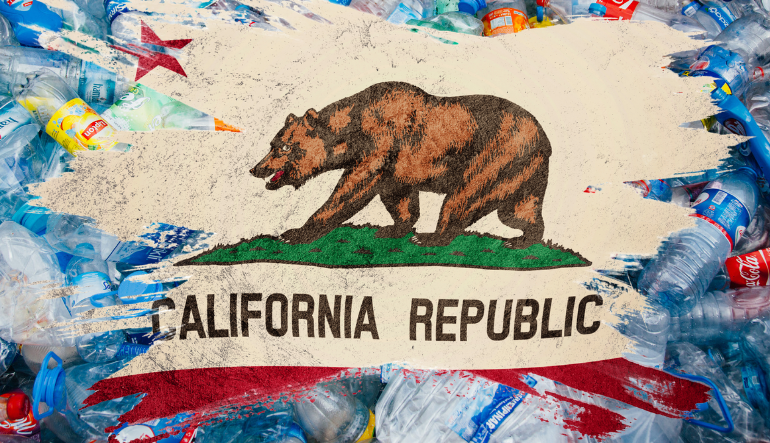
Beyond ESG Compliance: The Economic Fallout of California's SB 54 and Geopolitical Tensions Are Transforming the Packaging Supply Chain
What began as a regulatory trend has rapidly escalated into a high-stakes operational crisis for the global packaging industry. Catalyzed by Europe’s Packaging and Packaging Waste Regulation (PPWR), governments are moving past policy formation and entering strict enforcement phases to internalize the environmental externalities of plastic waste. This regulatory squeeze is compounding with intense geopolitical volatility, turning Post-Consumer Recycled (PCR) plastics from a peripheral corporate social responsibility (CSR) milestone into a critical economic hedge and strategic raw material.
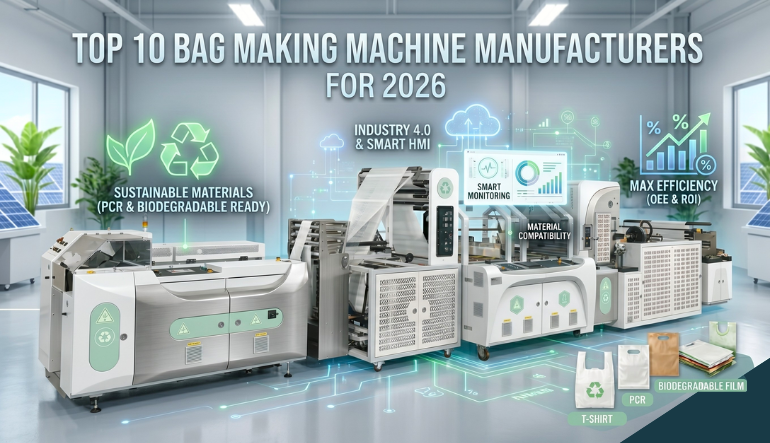
Top 10 Bag Making Machine Manufacturers for 2026
The packaging industry is evolving at breakneck speed in 2026. With global demands shifting toward sustainability and ultra-efficiency, finding the right bag making machine is no longer just a purchase—it is a strategic investment that dictates your factory's Return on Investment (ROI) and Overall Equipment Effectiveness (OEE). To help you navigate this fast-paced market, PRM-Taiwan has crafted the ultimate buyer's guide. Read on to discover the golden rules of machine evaluation and explore our curated list of the top 10 global and Taiwanese manufacturers ready to elevate your production line.
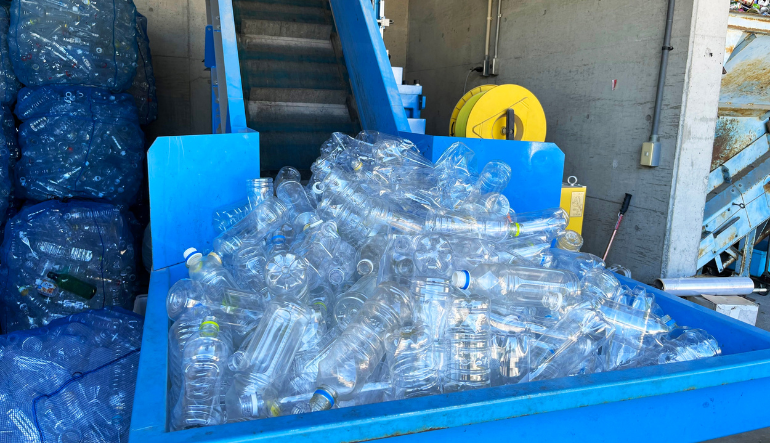
The Age of Parity: How Middle East Disruptions are Crowning Recycled Plastics as the New King
The traditional pricing logic of the global plastics industry has officially been rewritten. Until 2025, virgin resin reigned supreme as the cheap, abundant, and reliable default for manufacturers worldwide. However, as geopolitical tensions in the Middle East transition from temporary shocks to structural shifts, the market is waking up to a new reality: the era of cheap virgin plastics is over, and recycled materials are stepping up to claim the throne.

Our First Time at interpack: We Thought Packaging Was an Extension of the Plastics Industry — Until We Arrived and Realized They Are Two Different Worlds
Right after wrapping up PRSE in Amsterdam, we barely even had time to unpack our luggage before heading straight to Düsseldorf, Germany, early in the morning on May 7 to catch the opening day of interpack 2026. For PRM, this trip felt quite different. In the past, our team's exhibition footprint has mainly revolved around the plastics and rubber machinery industry — events like K Show, CHINAPLAS 2026, NPE, and TaipeiPLAS. As for packaging and downstream converting exhibitions, the ones we were more familiar with were Taipei Pack and swop (which has officially upgraded into interpack china this year).