


 English - EN
  繁體 - ZH-TW
  简体 - ZH-CN
  Español - ES
  日本語 - JA
  العربية - AR
  Русский - RU
  Français - FR
LATEST UPDATE Subscribe Now
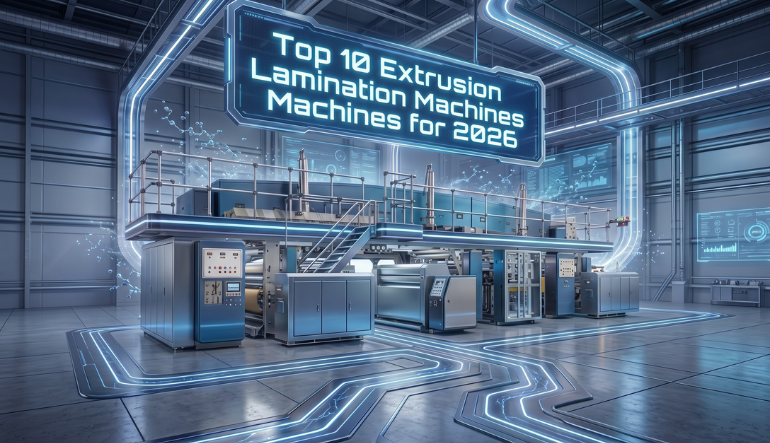
Top 10 Extrusion Coating & Lamination Machines for 2026
The global packaging landscape is undergoing a massive transformation in 2026. Driven by stringent circular economy mandates and the urgent industry-wide shift toward PFAS-free, fully recyclable paper packaging, manufacturers are facing unprecedented pressure. At the heart of this transition is a critical piece of technology: the Extrusion Coating and Lamination Machine.
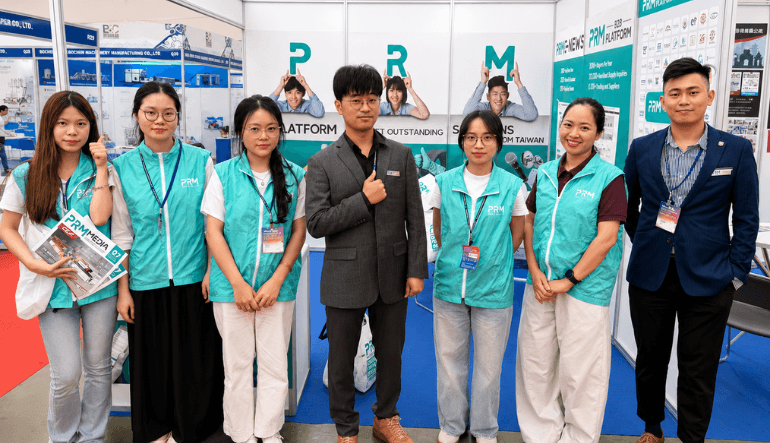
A Brand-New Venue, and a Market That's Still Growing Into It: Field Notes from the 14th Hanoi Plastics & Rubber Show
Walking into the newly opened Vietnam Exposition Center (VEC) for the first time, my immediate impression was that the venue is almost too beautiful for where this market currently stands. The rooflines are striking, the halls are vast — and even though only two halls were in use this time, exhibitors on site told me that these two halls alone offer roughly 50% more floor space than the entire old venue.

From Plastic Waste to World Cup Glory: Recycling Innovation is Changing the Game
The 2026 World Cup has already delivered unforgettable drama. Whether you are still reeling from Erling Haaland and Norway spectacularly crushing Brazil’s championship dreams, or shedding a tear over the epic "last dance" between football legends Cristiano Ronaldo and Luka Modrić, the action on the pitch has been nothing short of historic. But for those of us in the plastics and rubber industry, the real MVP (Most Valuable Player) isn't just the athlete scoring the winning goal—it's the innovative plastic recycling technology woven right into their jerseys.
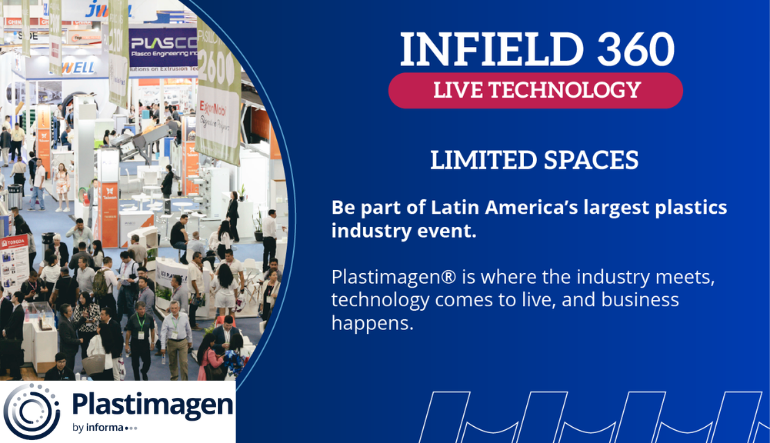
Discover the latest English promotional updates for the Plastimagen exhibition
Be part of Latin America's largest plastics industry event. Plastimagen is where the industry meets, technology comes to live, and business happens. Book Your Space Today! Great opportunities don't always come back. This one is still open.

Beyond the Subsidies: What Bangladeshi Plastics Manufacturers Are Actually Buying
As Prime Minister Tarique Rahman’s high-profile state visit to Beijing on June 26, 2026, secures 13 new bilateral agreements, a massive wave of Chinese state financing is poised to reshape Bangladesh’s industrial landscape.Yet, beneath these sweeping geopolitical headlines, local plastics and rubber manufacturers are focusing on a far more immediate reality: the looming 2026 LDC (Least Developed Country) Graduation deadline.