


 English - EN
  繁體 - ZH-TW
  简体 - ZH-CN
  Español - ES
  日本語 - JA
  العربية - AR
  Русский - RU
  Français - FR

LATEST UPDATE Subscribe Now
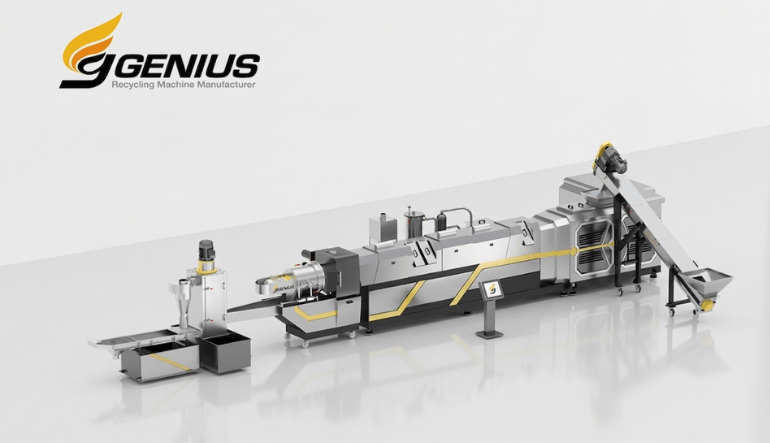
Stop Wasting Energy on Film Recycling: How the Genius DWX Series Saves You a Fortune
Are sky-high energy costs eating into your recycling profits? If you process post-consumer plastic films, you already know the struggle. Washed films and flakes often carry up to 50% moisture. Feeding wet, heavy material into conventional shredder-extruder lines is a recipe for disaster. Causing steam flashes, brittle pellets, and astronomical electricity bills.
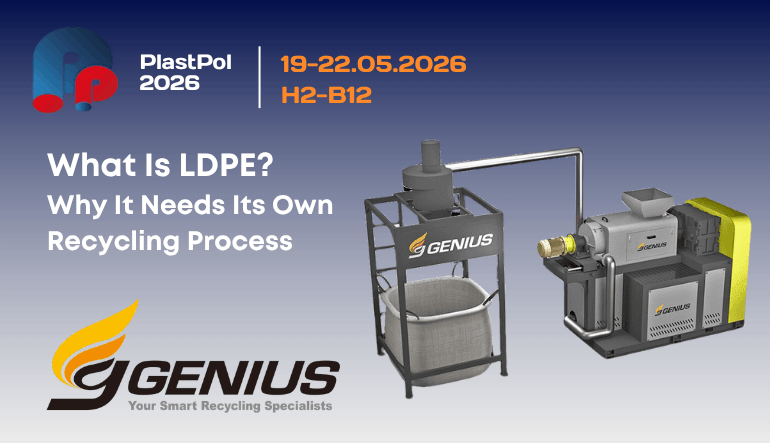
What Is LDPE? Properties, Resin Code #4, and Why It Needs Its Own Recycling Process
LDPE film is recycled under a separate process from other plastics because of one physical property that sets it apart from the bottles and containers most people picture when they think of plastic recycling: its extremely low bulk density. In baled form, LDPE film can reach the low density. This creates problems in feeding , inefficiency in drying, and tangle-related damage in sorting machinery that simply do not exist for rigid polymers like PET or HDPE bottles.
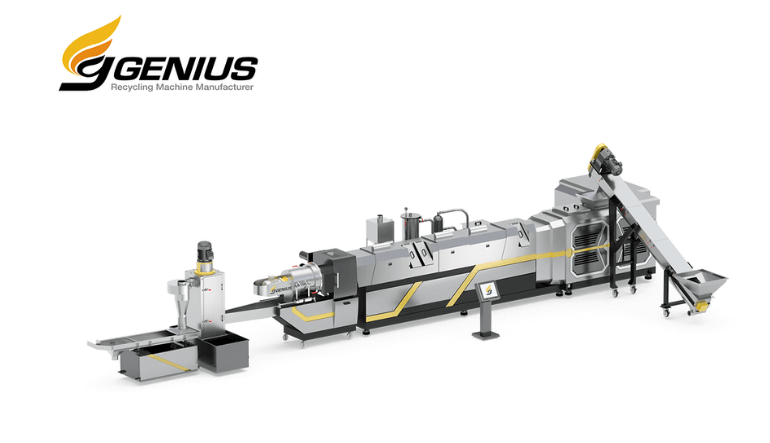
Integrating Dewatering and Pelletizing Into One Innovation: The DWX Series-A Whole New Chapter in Film Recycling
Recycling post-consumer plastic films presents a unique challenge. Washed films and flakes often contain up to 50% moisture, which can overload conventional shredder–extruder lines. The result is steam flashes, wasted energy, and brittle pellets—issues that raise costs and reduce product quality.
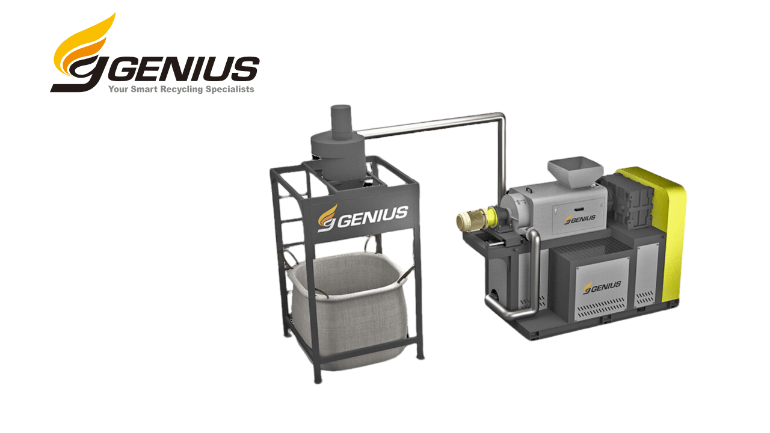
How Screw Press Dewatering Machines Revolutionize Plastic Film Recycling | GENIUS
Plastic waste has become a major environmental challenge, particularly with the growing use of plastic films in agriculture, packaging, and various industries. Recycling plastic films such as agricultural film and stretch film requires efficient dewatering to improve material quality and reduce waste.
Comparing Feeding Methods for Plastic Recycling Equipment: Which One Suits Your Needs?
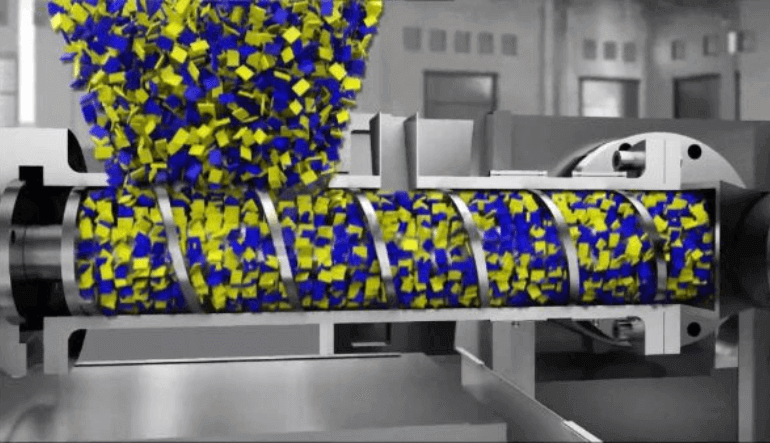
In the realm of plastic recycling, the way materials are fed into recycling equipment plays a pivotal role in determining overall efficiency and output. Whether handling thin films, bulky plastic waste, or powders, selecting the appropriate feeding method is essential for optimizing machine performance and maintaining consistent production. This article delves into the primary feeding methods used in plastic recycling equipment, highlighting their unique features and ideal applications.