

 English - EN
  繁體 - ZH-TW
  简体 - ZH-CN
  Español - ES
  日本語 - JA
  العربية - AR
  Русский - RU
  Français - FR
In the competitive world of flexible packaging, the first impression is the only impression. Whether it’s a snack pouch, a woven bag, or a luxury cosmetic label, the quality of print defines the value of the product.
For converters and packaging manufacturers, the eternal debate remains: Flexographic (Flexo) or Rotogravure (Gravure)?
Traditionally, the rule was simple: "Pick Gravure for quality and long runs; pick Flexo for cost and simple jobs." But in 2026, that rule is obsolete. With advancements in Taiwanese machinery manufacturing, the lines have blurred.
In this guide, we break down the pros, cons, and ROI factors of both technologies, and introduce how top-tier Taiwanese manufacturers like Worldly, Printplas, and Leewin are redefining the game.
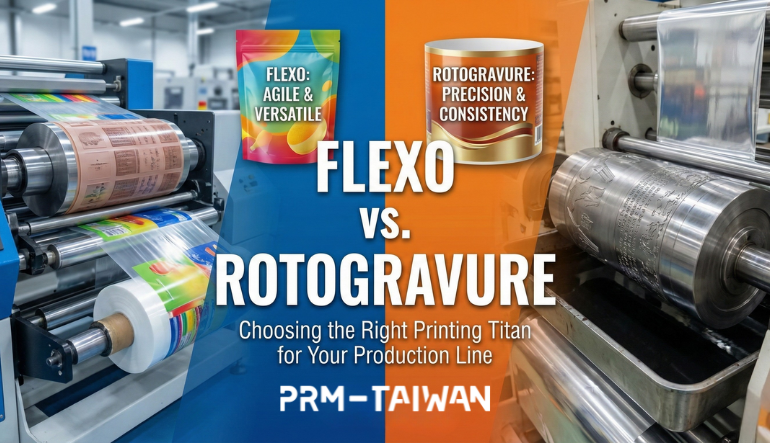
1. The Contenders: A Quick Overview
Rotogravure: The "Marathon Runner"
Gravure printing uses engraved cylinders to transfer ink directly onto the substrate.
- Superpower: Unbeatable consistency over millions of impressions. It excels at reproducing fine details, metallic inks, and photographic images.
- Best For: Long-run orders (food packaging, shrink sleeves) requiring consistent brand colors globally.
Flexography: The "Agile Sprinter"
Flexo uses flexible relief plates (like a rubber stamp) mounted on cylinders.
- Superpower: Versatility and Speed. It handles rough surfaces better than any other process and offers quick changeovers.
- Best For: Short-to-medium runs, diverse substrates (from thin film to corrugated board), and markets demanding sustainability.
2. The Showdown: Key Comparison Factors
Round 1: Print Quality & Precision
The Myth: "Flexo quality is inferior."
The Reality: Modern Flexo, especially CI (Central Impression) technology, rivals Gravure.
Supplier Spotlight: Take Printplas Machinery, for instance. Their expertise in CI and Stack-type flexo machines allows for high-end printing on complex substrates. They recently custom-built a 2700mm ultra-wide flexo machine for a Russian client, proving that Flexo can handle massive scales with high precision synchronization.
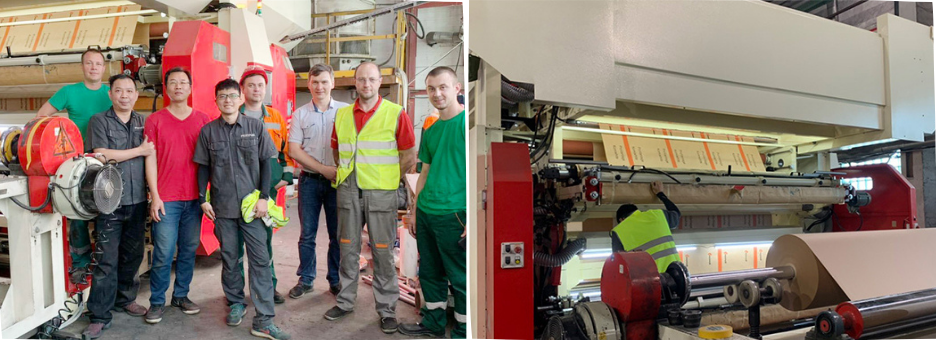
The Winner: Gravure still holds the edge for ultra-fine gradients, but CI Flexo is the winner for cost-performance balance in 90% of commercial jobs.
Round 2: Efficiency & Setup Time (OEE)
The Challenge: Gravure cylinders are heavy, expensive to make, and slow to change.
The Innovation: This is where Taiwanese engineering shines.
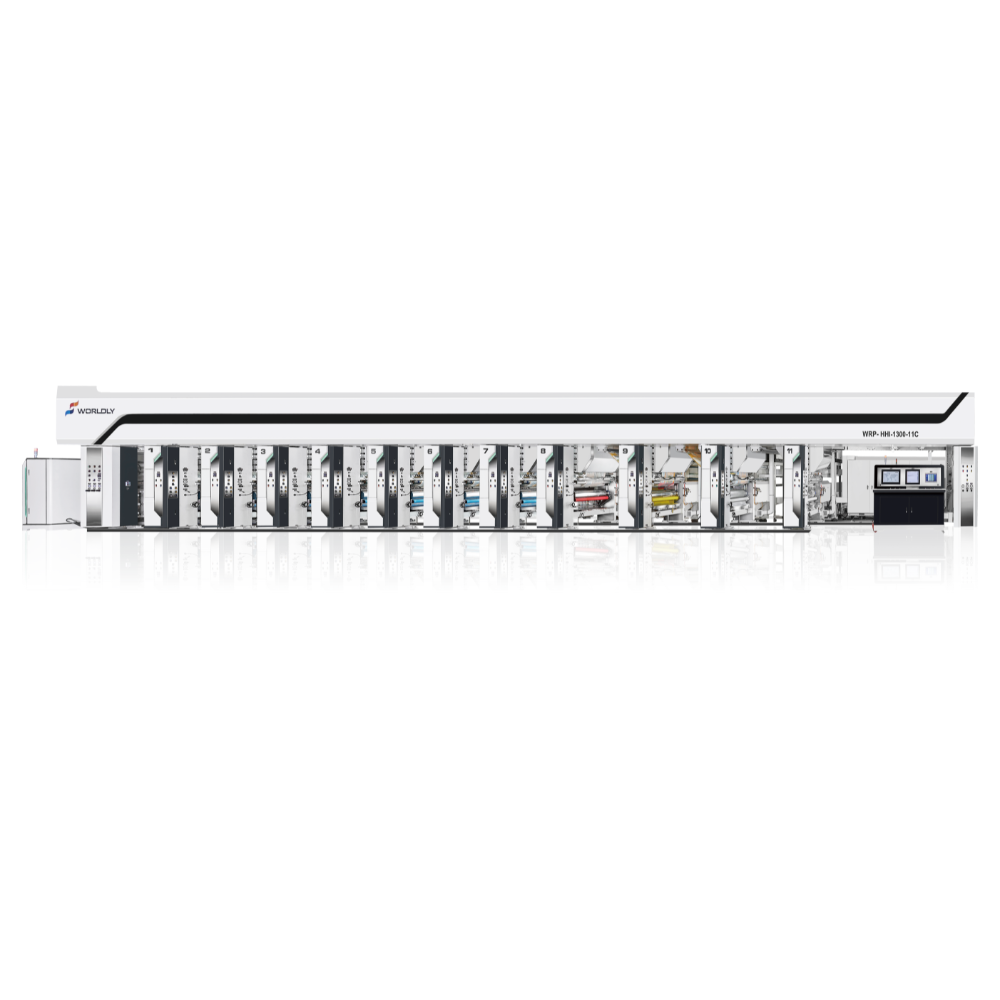
Supplier Spotlight: Worldly has revolutionized the Gravure game. Their High-Speed Electric Line Shaft (ELS) Rotogravure Machine runs at a blazing 350m/min. More importantly, its shaft-less design and changeable trolley groups significantly shorten changeover times. This solves the traditional "Gravure is too slow to set up" pain point, making it viable even for medium runs.
Round 3: Substrate Versatility
The Challenge: Not all surfaces are smooth. Printing on woven bags or rough paper can be a nightmare for Gravure.
The Solution: Flexo is the undisputed king here.
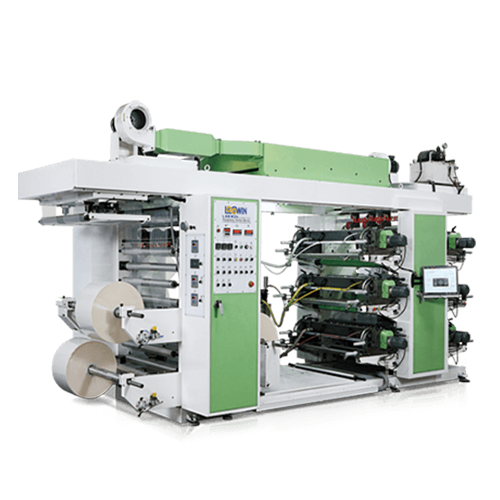
Supplier Spotlight: Leewin is a testament to this versatility. With over 40 years of experience, their HSP-610-DR2 Flexo Machine is a workhorse designed not just for films, but for woven bags, non-woven fabrics, and fiber glass cloth. If your product line involves rugged materials, Leewin’s structure ensures precision where others fail.
3. Sustainability: The Green Factor
Global buyers are under pressure to reduce carbon footprints. How do the two compare?
- Flexo (Eco-Friendly Inks): Flexo is naturally friendlier to water-based inks. Printplas designs their machines specifically for water-based ink compatibility, reducing VOC emissions and helping brands meet strict environmental regulations in Europe and the Americas.
- Gravure (Energy Saving): Gravure requires massive drying energy. However, Worldly fights this with a heat recycling system that reduces energy consumption by 30%.
4. Decision Matrix: Which One Should You Buy?
| Feature | Flexographic (Flexo) | Rotogravure (Gravure) |
|---|---|---|
| Ideal Run Length | Short to Medium | Long to Massive |
| Startup Cost | Low (Plates are cheaper/faster) | High (Cylinders are expensive) |
| Print Quality | Excellent (especially CI type) | Superior (Photographic detail) |
| Substrates | High Versatility (Paper, Film, Woven, Corrugated) | Best for Smooth Films & Foils |
| Taiwanese Hero | Leewin (Versatility) Printplas (Customization/CI) |
Worldly (Speed/Automation) |
5. Why Choose Taiwan for Your Printing Solution?
European machines (like those from Germany or Italy) set the standard, but they come with a hefty price tag and long lead times. Chinese machines are cheap, but reliability can be inconsistent.
Taiwan offers the "Golden Mean":
- Customization: As seen with Printplas designing for Peru (heavy paper) and Russia (wide film), Taiwanese makers don't just sell catalogs; they co-design solutions.
- Smart Technology: Worldly’s machines come with 100% inspection systems to detect defects instantly—tech that used to be exclusive to premium European models.
- Reliability: Companies like Leewin have been in the game since 1975. You are buying decades of operational wisdom.
Conclusion
The question isn't "Flexo vs. Gravure." The question is: "What does your customer need?"
- Need to print on woven bags or versatile materials? Look at Leewin.
- Need customized, wide-format, or eco-friendly Flexo solutions? Talk to Printplas.
- Need high-speed, long-run perfection with smart automation? Worldly is your answer.
Still unsure? PRM-Taiwan connects you directly with these top-tier manufacturers.