


 English - EN
 繁體 - ZH-TW
 简体 - ZH-CN
 Español - ES
 日本語 - JA
 العربية - AR
 Русский - RU
 Français - FR

Afghanistan’s Plastic Bag Problem Shows Why Developing Countries Need Recycling Plants
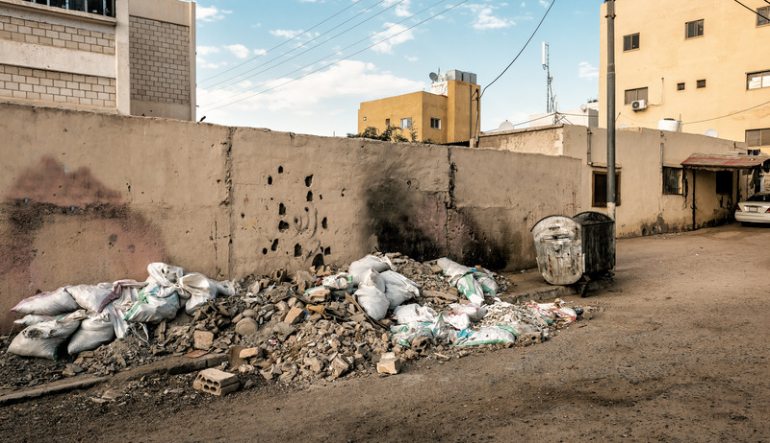
Hot bread goes into plastic bags at many Kabul bakeries. It has been that way for years, and according to a November 18, 2026 report by Afghan newspaper Hasht-e Subh, it still is.
The report gathered views from Kabul residents and environmental experts, and the picture is consistent. Plastic bags are cheap, easy to find, and now produced by factories inside Afghanistan. Clothes and paper bags exist, but many people can’t afford them. Residents said earlier awareness campaigns run by young volunteers and local organizations didn’t change much, because the bags never left the market. Several called for limits on the production and import of single-use plastic bags.
The experts went further. Environmental expert Kazem Homayoun said much of Kabul’s plastic waste is buried or dumped without sorting or recycling, and because plastic doesn’t break down, it stays in the ground. He cited a Kabul Municipality figure from several years ago: about 4,400 tons of waste generated daily, with only part of it collected. Nobody knows how much of that is plastic. His summary was blunt: “Plastic waste management in Afghanistan is still at a basic level.”
Another expert, Sayed Mohammad Sulaimankhil, pointed out the mismatch at the center of the problem. A bag gets used for half an hour, then sits in the environment for hundreds of years.
Weak regulation turns cheap plastic into permanent pollution
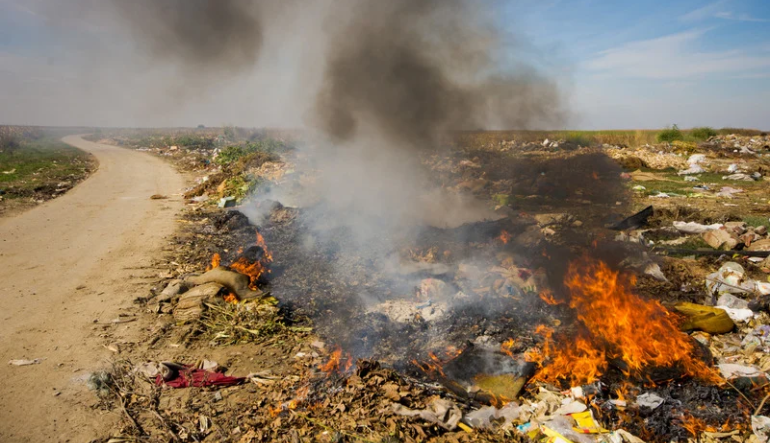
Kabul is one example of a pattern common in low-income countries, many like Pakistan, Bangladesh, India, etc are facing the same crisis. When the production and import of plastic packaging go unregulated, and waste collection covers only part of the city, plastic has three places to go: open dumps, burial pits, or streets and waterways. None of them are endpoints. Buried plastic doesn’t decompose the way the food scraps and organic waste of earlier decades did, which is exactly the shift Homayoun described.
The United Nations has noted that the world produces hundreds of millions of tons of plastic every year. Rising consumption combined with weak waste management is one of the biggest environmental challenges globally, and it hits hardest where infrastructure is thinnest.
Bans reduce the inflow. They don’t handle what’s already there.
Restricting plastic bag production would not make the pollution go away. A strict ban leaves bottles, food containers, and film packaging already flowing through the waste stream. A city still needs somewhere for that material to go.
That somewhere is a plastic recycling plant: a facility that takes in collected plastic waste, sorts it by type, shreds and washes it, then melts and extrudes it into recycled plastic pellets. Those pellets go back to manufacturers as raw material for new products. Plastic stops being a disposal problem and becomes a feedstock with a price.
This matters for developing countries in a specific way. Afghanistan now has local factories making plastic bags. Those same factories are potential buyers of recycled polyethylene pellets. A recycling plant gives the local plastics industry a domestic material source, and gives waste collectors a reason to pick plastic up instead of leaving it behind.
What a workable recycling system looks like
Homayoun said awareness alone won’t fix this, and that legal, economic, and educational measures have to work together. In practice, a recycling system in a low-income city can start small:
Collection with an incentive. Collection points at markets and bakeries, where informal waste pickers can sell sorted plastic by weight. If plastic has value, people collect it.
Sorting by material. Plastic film (PE bags), bottles (PET), and rigid containers (PP, HDPE) need different processing. Basic manual sorting at the start is enough.
A right-sized processing line. A shredder, washing line, and pelletizing extruder sized to the city’s actual collection volume. Bigger isn’t better if the input can’t keep it running.
Policy that closes the loop. Limits on new single-use bags, plus rules or incentives that encourage local manufacturers to use recycled content.
None of this requires a state-of-the-art facility on day one. It requires a plan for where the plastic goes after someone throws it away.
Finding plastic recycling machinery and suppliers
Governments, municipalities, NGOs, and entrepreneurs planning a recycling project need to find equipment that fits their budget, power supply, and waste volume. PRM (prm-taiwan.com) is an online platform for the plastics and rubber machinery industry. Buyers can browse plastic recycling machinery suppliers, compare shredders, washing lines, and pelletizing systems, and contact manufacturers directly to discuss configurations for their local conditions.
FAQ
Why is plastic pollution worse in developing countries?
Plastic is cheap and widely available, while regulation of production and imports is weak and waste collection is incomplete. Uncollected plastic ends up dumped, buried, or in waterways.
Is banning plastic bags enough?
No. Bans reduce new plastic entering the market, but existing waste still needs collection, sorting, and recycling.
What does a plastic recycling plant do?
It turns collected plastic waste into recycled pellets through sorting, shredding, washing, and extrusion, so manufacturers can reuse the material.
We have over 200 of the biggest and many of the smallest Taiwanese machinery manufacturers on our site and contacts with many more. Whether you are looking for full lines such as, recycling machines extruders, blow molding machines, injection molding machines and printing machines, or auxiliary equipment and parts such as gearboxes, barrels, screws, molds, dies, control systems and virtually anything related to the plastic and rubber industries including packaging. If it’s made in Taiwan, we will find it for you!


 speed boat sailing along the Persian Gulf near a cargo vessel. Nurphoto | Nurphoto | Getty Images_1774425194.png)
