


 English - EN
  繁體 - ZH-TW
  简体 - ZH-CN
  Español - ES
  日本語 - JA
  العربية - AR
  Русский - RU
  Français - FR

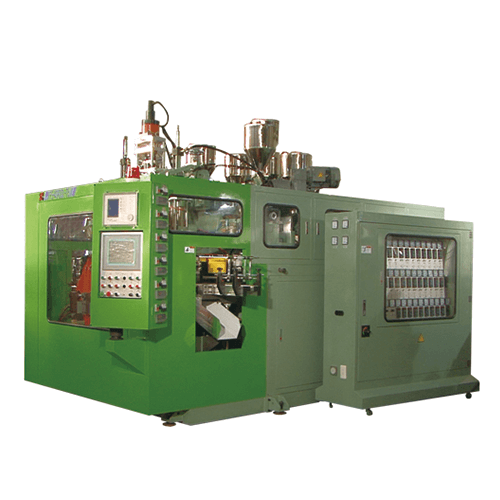
Automatic CO-Extrusion Blow Molding machine- P Series(Strong Clamping Design)(Horizontal Movement)
Categories : Horizontal Blow Molding Machines
CO-EXTRUSION BLOW MOLDING MACHINE FOR MULTI-LAYER BOTTLES – Applicable for single and double station with single to multiple die heads for producing up to SIX-LAYER CONTAINERS (2 TO 6-LAYER CO-EXTRUSION), such as chemical bottles, catchup bottles, or cosmetic bottles. Co-extrusion application allows unrelated materials with different characteristics to be combined in one parison through Full Shine special-designed die head. This combination binds different materials, such as combining high-gloss outside layer and barrier layer by an adhesive layer between them in order to achieve the perfect outcome. Co-extrusion application is the advanced technology by the leading brand: Full Shine.

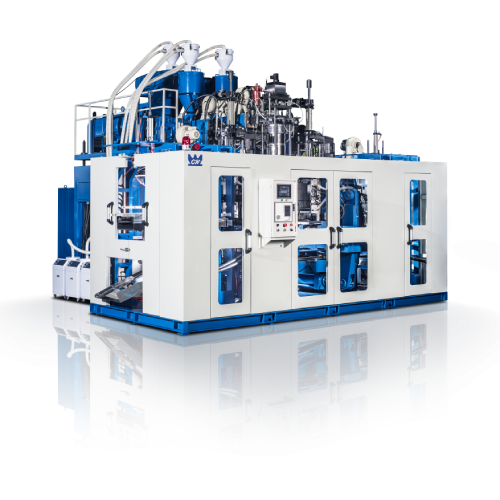
Medium Co-extrusion Blow Molding Machine – Double Station
Categories : Automatic Blow Molding Machines
Medium Co Extrusion - Continuous Type Blow Molding Machine Chen Way Machinery is well-known for its 20L three-layer blow molding machines. Three-layer co extrusion blow molding machines are the most popular choice for the edible oil export countries, and their productions range from 5L to 30L jerry can. The composition for three-layer products is usually as follows: The outer layer is composed of 15%-20% virgin material and masterbatches The inner layer is composed of 15%-20% virgin material. The middle layer is a combination of 60%-70% cost-effective regrind material and CaCO3 (no more than 30%) which reduces material cost by 10-12%. By contrast, only around 5%-7% CaCO3 can be added to single-layer jerry cans, which has no evident improvement over material savings.