


 English - EN
 繁體 - ZH-TW
 简体 - ZH-CN
 Español - ES
 日本語 - JA
 العربية - AR
 Русский - RU
 Français - FR

COP31 Ended Without a Deal. For Plastics Manufacturers, the Pressure Didn’t Go Away
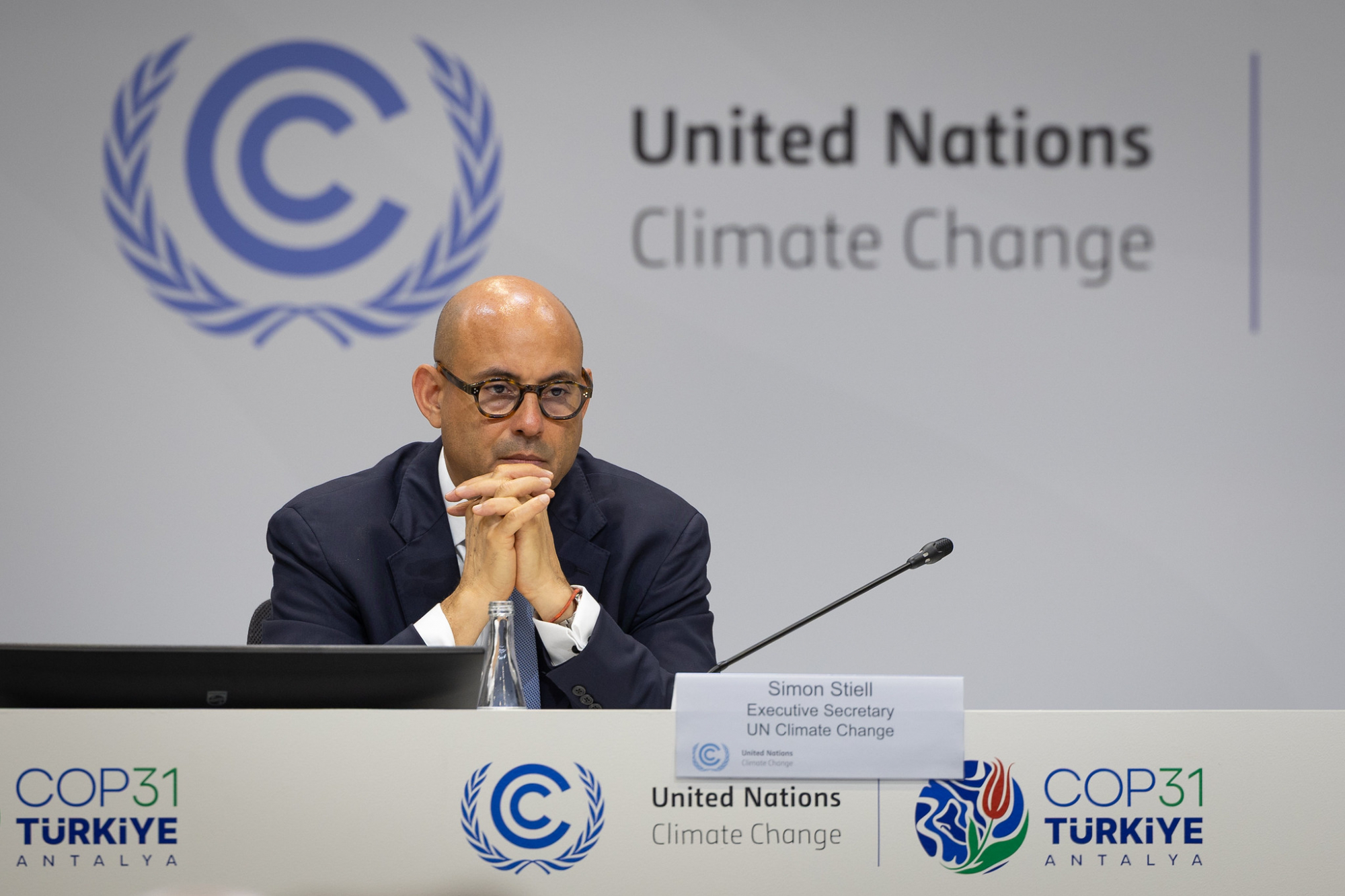
The COP31 Presidencies hold a press conference on the state of negotiations (Photo: © UN Climate Change - Kiara Worth)
The 31st UN Climate Change Conference (COP31) closed in Antalya, Türkiye, on November 22, 2026, without its headline agreement. Co-hosted by Türkiye and Australia, the summit ran nearly 50 hours past its scheduled end—the longest overrun in COP history—and became the first since Copenhagen in 2009 to fail to adopt a cover decision.
When COP31 President Murat Kurum confirmed there was no consensus on the proposed “Antalya Pact,” governments lost a political signal. Plastics processors and equipment buyers lost nothing they were counting on. The regulations and market forces that actually shape factory capital expenditure, from Europe’s carbon border rules to corporate Scope 3 reporting, were never on the negotiating table in Antalya.
Why the pact died
The final draft did not mention coal, oil or gas. Three years earlier, COP28 in Dubai had agreed to “transition away from fossil fuels.” Antalya’s text offered no direct link back to that commitment.
A 126-nation coalition—including the EU, the UK, small island states, Latin American nations and least-developed countries (LDCs)—pushed the presidency to restore that link and to delete numerical targets for carbon capture. The presidency made only minor changes. In the closing plenary, the EU, Panama, the Marshall Islands, Belize, Norway and Vanuatu formally rejected the pact, while the UK, Japan, South Korea and the LDC group stated that no consensus existed. Russia and Saudi Arabia defended the text. Under UN rules, one objection is enough to block adoption.
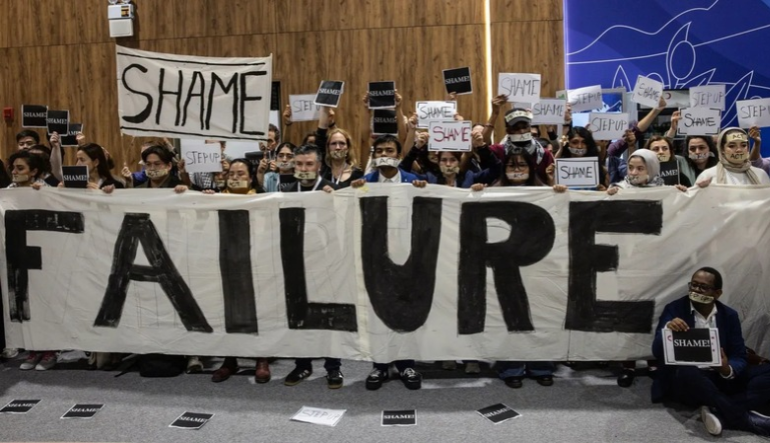
Many are questioning whether the COP process is fit for purpose. (Photo:Chris McGrath)
Former U.S. Vice President Al Gore called it an outrage that a handful of petrostates hold veto power over any mention of fossil fuels. Chris Bowen, Australia’s climate minister and COP31 president of negotiations, pointed to the structural trap: the process runs on consensus, and changing that rule also requires consensus.
The money fight and what actually got agreed
The second major dispute was finance. Early drafts specified that tripling adaptation finance meant at least $120 billion a year by 2035. That figure disappeared from the second draft and never returned, drawing sharp pushback from LDCs and developing-country negotiators amid broader aid cuts in donor nations. Meanwhile, the presidency’s flagship target to lift electricity to 35% of global final energy consumption by 2035 survived only as a voluntary pledge signed by around 80 countries.
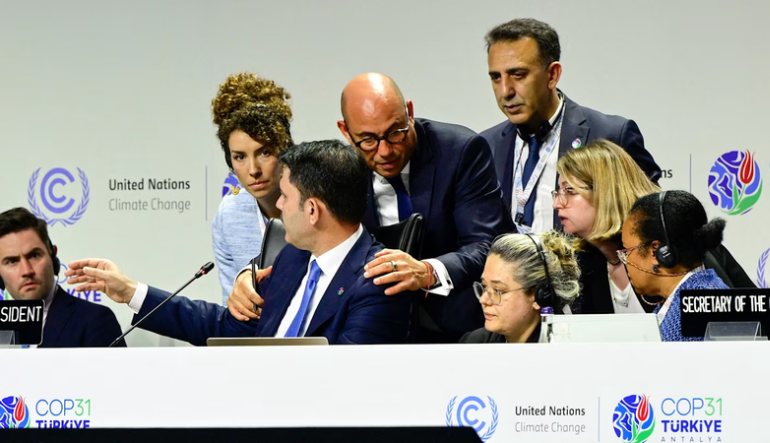
A proposed agreement that failed to mention fossil fuels prompted a stand-off at the final meeting, led by COP31 president Murat Kurum (Photo: Yasin Akgul)
Despite the headline failure, delegates did finalize key technical decisions:
Carbon markets (Article 6):
Parties adopted rules for both bilateral trading (6.2) and the UN-run credit mechanism (6.4). While 6.2 reporting rules were not tightened and oversight funding was deferred to 2027, the UN Adaptation Fund secured a direct share of proceeds from Article 6.4 carbon credits—giving it a revenue stream independent of national budget politics.
Future timelines:
Negotiations on a just-transition mechanism were pushed to COP32 in Ethiopia, while UN climate chief Simon Stiell acknowledged “scope to improve, modernise and reform” the summit process ahead of interim talks in Bonn in June 2027.
What this means on the factory floor
For a plastics processor in Taiwan, Vietnam, India or Türkiye, the Antalya outcome changes nothing about next year’s compliance load. The EU’s Carbon Border Adjustment Mechanism (CBAM) was raised at COP31 by Arab-group negotiators as a trade grievance, yet it remains firmly intact. Industrial electricity tariffs—cited alongside what Bowen described as the “most complicated and fraught geopolitical environment in living memory”remain one of the largest variable operating costs on an injection molding or extrusion line. Meanwhile, global brand owners continue to enforce recycled-content mandates and supplier energy audits regardless of UN gridlock.
Decarbonization in plastics manufacturing is being driven by utility bills and customer procurement rules, not by diplomatic text. For plant managers, the decisions that matter are equipment upgrades.
PRM platform lists manufacturers of injection molding, blow molding, blown film and plastics recycling machinery, with specifications and energy data where suppliers publish them. Replacing conventional hydraulic drive with servo-driven systems is the single largest lever on a molding line’s power bill. One example from the platform: CLF shipped Taiwan’s first 5,000-ton two-platen machine, the CLF-5000TPII, to a US logistics-equipment maker this September. Fitted with a servo-electric charging system and far-infrared heater bands, the machine cuts electricity use by 20–50% against conventional hydraulic drive, according to CLF’s own production test data, and the two-platen design is 15–20% shorter than a toggle machine of the same tonnage. Adding an in-house pelletizing line cuts the virgin resin a plant has to buy. Browse by machine type to shortlist suppliers directly.
Frequently Asked Questions (FAQ)
What did COP31 actually agree on?
While COP31 failed to pass an overarching political cover decision, delegates finalized operational rules for Article 6 carbon markets—allowing the UN Adaptation Fund to receive a share of proceeds from Article 6.4 carbon credit trades—and secured voluntary backing from roughly 80 countries to raise electricity to 35% of global energy consumption by 2035.
Does the COP31 failure slow down regulations affecting plastics manufacturers?
No. Regional and market-driven regulations—such as the EU Carbon Border Adjustment Mechanism (CBAM), European Packaging and Packaging Waste Regulation (PPWR) recycled-content mandates, and corporate Scope 3 supply chain audits—operate independently of UN climate summits and continue on schedule.
How can plastics processors reduce factory energy costs right now?
Replacing older fixed-pump hydraulic machinery with servo-hydraulic or all-electric injection molding and blow molding systems, optimizing barrel heating insulation, and adding in-house post-industrial recycling (PIR) equipment are the fastest ways to lower kilowatt-hour consumption per kilogram of resin processed.
Sources
- The Guardian: Failure of Cop31 prompts calls for urgent reform of UN climate summits
- Reuters: COP31 was a flop. What now?
- BBC: Five takeaways from the failed climate talks COP31
- 遠見: 揭開氣候協議破局真相:COP31超時45小時卡在化石燃料、千億資金談不攏
- CLF: CLF’s 60th Anniversary Milestone: Taiwan’s First 5000-Ton Ultra-Large Injection Molding Machine Ships to Top-Tier US Logistics Equipment Provider
We have over 200 of the biggest and many of the smallest Taiwanese machinery manufacturers on our site and contacts with many more. Whether you are looking for full lines such as, recycling machines extruders, blow molding machines, injection molding machines and printing machines, or auxiliary equipment and parts such as gearboxes, barrels, screws, molds, dies, control systems and virtually anything related to the plastic and rubber industries including packaging. If it’s made in Taiwan, we will find it for you!