

 English - EN
  繁體 - ZH-TW
  简体 - ZH-CN
  Español - ES
  日本語 - JA
  العربية - AR
  Русский - RU
  Français - FR

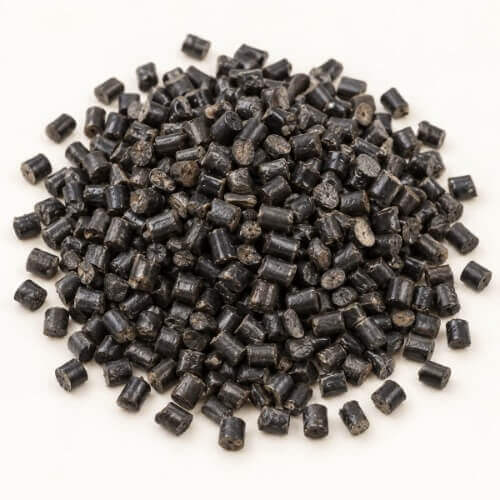
PP BK Pellets
Categories : Recycled Plastic Granules
Black PP pellets, Taiwan origin. Send your requirement for a quotation.

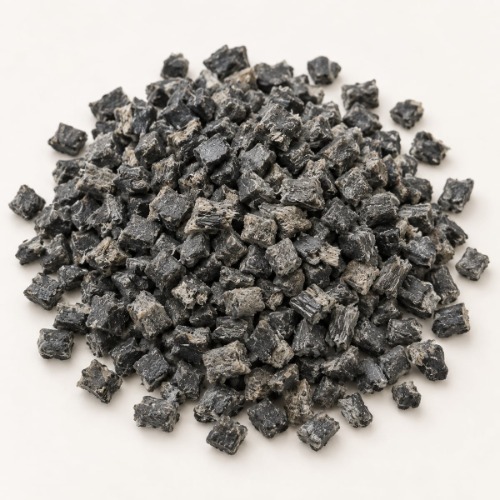
PP 40% GF
Categories : Composite Material
40% glass-fibre reinforced PP pellets, sourced from South Korea.
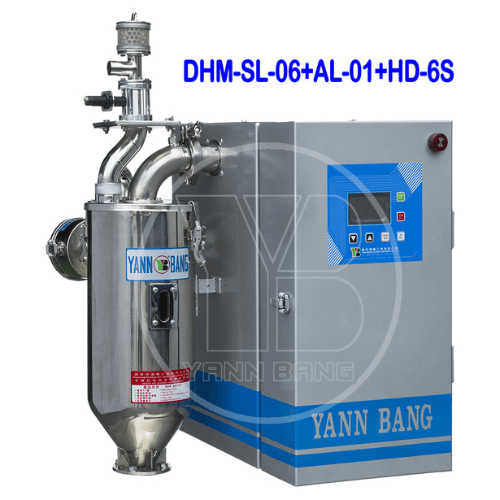
Micro Dehumidifying Dryer (DHM-SL )
Categories : Dryers and Dehumidifiers
The latest micro dehumidifying dryer uses compressed air to dry the plastic resin. The air volume generated by the air compressor is suitable for the production of small parts, such as electronics parts. The perfect grade of dryness coupled with a moderate amount of drying air, the production efficiency greatly increased. Air compressor process the air via water filtration, and the air will be compressed between pressure 5~7kg/cm² . The compressed air will then go through the molecular sieve and supply the dry air with dew point up to -40 ~ -50 ℃. During the molding process, it will fully demonstrate the perfect plastic properties. In accordance with the different types of plastic, the drying time required is also slightly different, for 2 to 6 hours. The multi-function design can dry, dehumidify, and automatically convey resins. Comparing to the regular dehumidifying dryer, it can save space and directly connect to the inlet of molding machine. It can directly convey the drying resins to production to prevent resurgence and to ensure the production complete. 1. Display the dew point detection 2. Insufficient air pressure detection 3. Built-in positive pressure conveying system 4. Overheat preventer 5. Weekly timer 6. Install high-density filter 7. With Industry 4.0 features, Ethernet and RS485 can be used to connect with other brands. 8. The controller and main body can be separated or combined to facilitate for space arrangements.

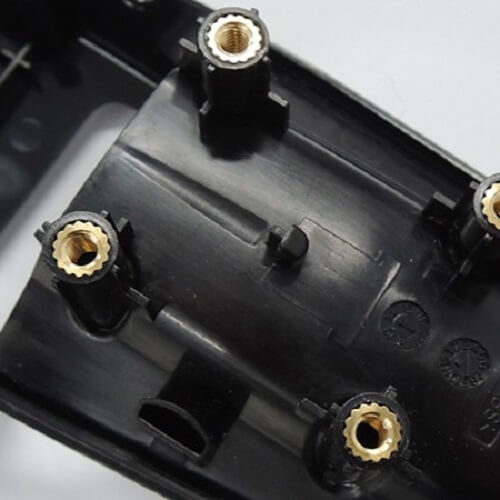
INSERT INJECTION MOLD
Categories : Injection Molds
INSERT MOLDING TECHNOLOGY: When a metal, plastic or ceramic part needs to be embedded in plastic to improve product structure it is called Insert Molding. It is a widely used process and one that YOMURA TECHNOLOGIES specializes in. With Insert Molding, a part is placed in a mold cavity then a selected plastic material is injected directly over it resulting is a single part with the insert(s) encapsulated by the material. This process normally uses engineering plastics for improved wear resistance, tensile strength and weight reduction. Insert Molding can be a highly efficient alternative to the assembly of discrete parts using soldering, connectors, fasteners, or adhesives. It also expands plastic capabilities and can reduce final product cost by limiting the amount of costly metal needed to create a part. And importantly, because we can use conventional single shot injection machines for Insert Molding, tooling costs are lower than with a multi-shot processing. Benefits: Reduced assembly and labor costs Because insert molding joins numerous components with thermoplastic, assembly and labor costs are greatly minimized. For example, a single stamping can be overmolded, then perforated to create multiple circuit paths. Reduced size and weight By eliminating fasteners and connectors, and by combining the physical strength of resin and metal inserts, insert molding yields smaller and lighter components. Increased reliability With every part tightly secured in thermoplastic, an insert molded component prevents part loosening, misalignment, improper terminations, and other problems. The thermoplastic resin also provides improved resistance to shock and vibration. Increased design flexibility Designers appreciate the virtually unlimited configurations that insert molding allows. For example, in creating a 3D circuit board, overmolding permits circuitry to move freely through the part, from inside to outside, up walls, down in holes-and the plastic ties it all together. Materials: Engineering plastic or Thermo Plastic Rubber (TPR) inserted with metal frame die casting, plated copper pin, sockets, wire frames, etc. Applications: TPR + Metal Frame(3C Mechanical Parts) ABS + Al. Die Cast (Sports/ Medical) Eng. Plastic + Patting Pin/Eng. Plastic + Wireframe (Connector) Eng. Plastic + Copper Pin/Contact (Precision Electronic Component)


Silicone Masterbatch
Categories : Additives
An additive for PE, PP, EVA, or other compatible thermoplastic resin systems, used to improve resin processability and flowability, as well as the surface lubricity and mold release properties of finished products.

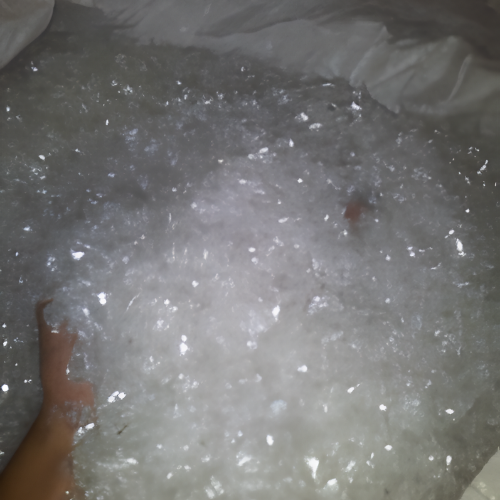
PCR PET
Categories : Recycled Plastic Granules
Our modern society calls for several different sorts of synthetics for different fields of application. One of the most fascinating plastics is PET. PET (Polyethylene Terephthalate better written as Poly Ethylene Terephthalate, as it doesn't contain any Polyethylene) is a polyester which consists exclusively of carbon, hydrogen and oxygen. To produce one kilo of PET you need 1,9 KG of crude oil and 23Kwh. With recycling in modern facilities, you will economize about 50% of the energy towards a new production or more than 1 litre of crude oil and additionally, you will save more than 3 kilos of greenhouse gas as for example Co2 including methane, laughing gas and other relevant greenhouse gases. PET is technically speaking a linear thermoplastic resin which is created by condensation of ethylene glycol and terephthalic acid and can be melted at temperatures of > 250°C for the amorphous form to any form people wish. The success story of PET began with its use in the textile industry for polyester fibre, in the automobile industry for PET components, not to forget the pharmacy and condensation of ethylene glycol anu terepritrant aciu anu can be mereu al temperatures of 250 C for the antionprous tom to any rom success story of PET began with its use in the textile industry for polyester fibre, in the automobile industry for PET components, not to forget the pharmacy and medicine role due to its shelter against germs and of courses within the packaging industry like food packaging, straps and bottles. In certain countries, bottles out of PET have overtaken the role of the old classic glass bottle - one of the reasons besides many others is that PET is a strong resin whereby its weight is only 10% of the weight of an identical glass container and has a crystal clear transparency.